

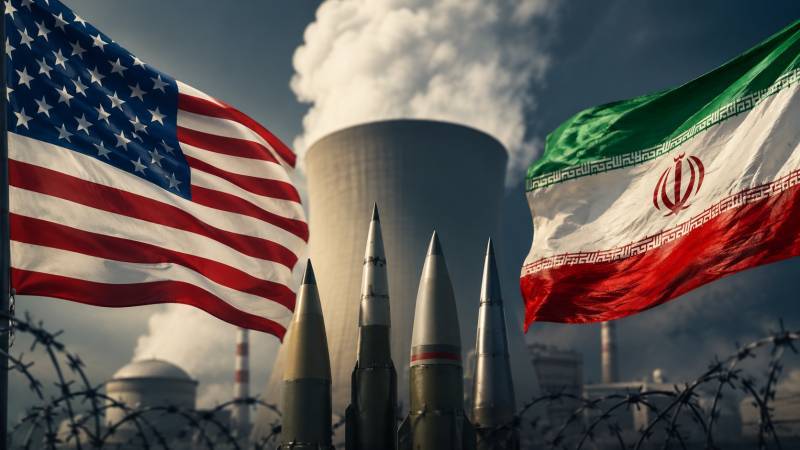
For the first time since the Iran–US/Israel war began, both Washington and Tehran are officially signalling movement towards a memorandum of understanding. President Trump says that the framework accord has been “largely negotiated,” while Iranian officials have also publicly indicated progress. This follows weeks of sustained Pakistani backchannel engagement and Field Marshal Asim Munir’s important visit to Tehran. Yet no agreement is complete until it is signed. Throughout this conflict, there have been too many occasions when apparent progress suddenly disappeared.
The initial reactions themselves show why the difficult phase is still ahead. In Washington, Democratic opponents and pro-Israel voices immediately accused Trump of compromising American interests and giving legitimacy to the “Islamic Republic of Iran.” At the same time, IRGC-linked media and regime supporters are presenting the same development as proof that Iran forced America to retreat. Before direct negotiations have even resumed, the spoilers are active in sabotaging the impending diplomatic process.
The proposed memorandum itself is not a peace agreement. It does not resolve the difficult questions that brought the two sides into confrontation. It simply creates a process through which these issues can be discussed directly. The next round of talks in Islamabad will therefore become more important than the framework itself.
Pakistan deserves considerable credit for reaching even this stage. Islamabad first helped break the momentum towards wider war through the ceasefire. It then kept diplomatic channels alive when negotiations repeatedly appeared close to collapse. This required constant engagement not only with Washington and Tehran but also with Saudi Arabia, Qatar, the UAE, Turkey, Egypt and China.
Each of these actors entered the process with different priorities. Qatar initially remained cautious after being directly affected by the conflict. The UAE moved towards harder security positions after facing some of the most serious regional consequences of the war. Saudi Arabia wanted de-escalation but also sought protection against Iranian aggression. China wanted stability and uninterrupted energy flows through Hormuz. Trump wanted an agreement that avoided a wider war while remaining politically acceptable at home. Iran wanted sanctions relief, protection against renewed military action and economic breathing space.
Nuclear enrichment levels, highly enriched uranium stocks, verification arrangements, sanctions sequencing and security guarantees will all become contentious issues once direct negotiations begin
Pakistan managed to keep these different interests moving in the same direction. That required continuous engagement, political trust and the ability to reassure actors who often distrust one another.
The likely US–Iran framework is said to be a brief one-pager. That itself reveals its purpose. The immediate objective is not to settle every disagreement but to create conditions under which negotiations can continue.
Reports suggest that it may include a 30-to-60-day extension of the ceasefire or movement towards formal termination of hostilities, reopening of the Strait of Hormuz, restoration of commercial shipping, limited sanctions relief, release of selected Iranian frozen assets and the resumption of direct negotiations on unresolved nuclear and security issues.
The framework attempts to address the main concerns of each side. Trump retains the American position that Iran cannot acquire nuclear weapons. Iran receives protection against renewed military action and a pathway towards economic relief. Gulf states receive assurances regarding maritime security and regional stability. China secures what matters most to Beijing: the reopening of Hormuz and restoration of stable energy supplies. The significance of the framework, therefore, lies not in the document itself but in what it may allow afterwards.
Some criticism of the proposed arrangement is politically motivated, but not all criticism is unreasonable. Iran’s conduct during this conflict has raised serious questions regarding trust. Tehran, particularly IRGC hardliners, repeatedly used Hormuz as pressure against the wider international system. Shipping was disrupted, markets reacted sharply, and energy uncertainty spread well beyond the region.
Iran’s position on the nuclear issue also continues to create questions. Iranian officials maintain that Ayatollah Khamenei’s religious edict prevents the pursuit of nuclear weapons. Yet continued expansion of highly enriched uranium inevitably creates doubts among many observers.
This also explains why the coming negotiations differ from earlier arrangements, such as the JCPOA. The discussions now extend beyond enrichment alone. Questions relating to Gulf security, ballistic missiles, regional proxies and maritime stability increasingly form part of the wider discussion.
The difficult questions, therefore, still remain on the table. Nuclear enrichment levels, highly enriched uranium stocks, verification arrangements, sanctions sequencing and security guarantees will all become contentious issues once direct negotiations begin.
The United States and Iran have already begun preparing for that phase. Discussions on the resumption of direct talks in Islamabad are expected to begin in early June. Iran’s Parliamentary Speaker, Bagher Ghalibaf, has reportedly been appointed to lead the Iranian delegation, while on the US side, the same three-member team headed by Vice President JD Vance is expected to participate.
The information battle surrounding these negotiations will also continue. Israeli-aligned voices will continue arguing that diplomacy rewards Iran. Iranian hardliners will continue presenting every compromise as a victory. Domestic political pressures in both countries will continue shaping the environment around negotiations.
Pakistan has done the difficult work of bringing deeply distrustful actors to the same table and creating an opportunity for discussions to continue. The next responsibility increasingly shifts towards Washington and Tehran themselves. If both sides negotiate seriously and in good faith, the current framework may eventually become something more durable. If they do not, the region risks returning to the same cycle from which it has only recently stepped back.