

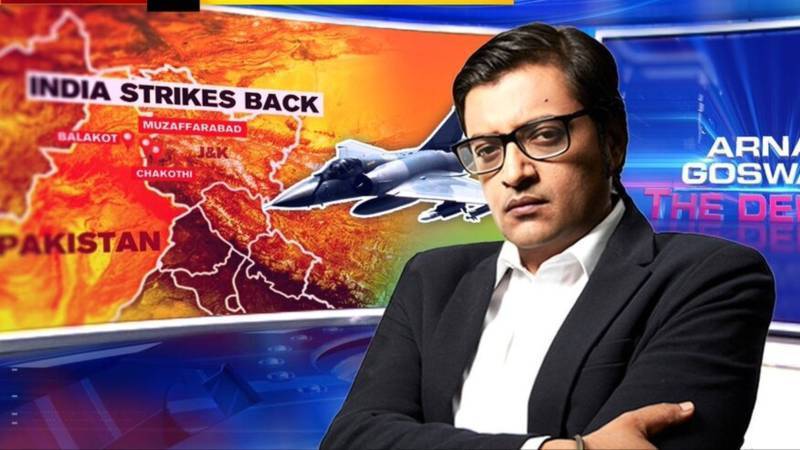
In the era of information warfare, traditional military conflict is being augmented by hybrid tactics, aimed at shaping perceptions, distorting truths, and manipulating public discourse. India’s strategic posture toward Pakistan has moved beyond border skirmishes and diplomatic antagonism. What we now face is a sustained, multi-pronged hybrid war—one that weaponises disinformation, digital sabotage, psychological operations, and cultural narratives.
At the core of this ideology is a deliberate effort to reshape global and regional perceptions of Pakistan, often viewed as a nation in crisis. The 2020 EU DisinfoLab report, "Indian Chronicles," revealed a network of over 750 fraudulent media outlets and NGOs across 119 countries. Orchestrated by the Srivastava Group and amplified by India's largest news agency, ANI, this network produced content designed to defame Pakistan, disseminating it to institutions such as the United Nations and the European Parliament. Notably, the identities of deceased human rights activists were misused in opinion pieces aimed at damaging Pakistan's reputation.
In February 2024, Meta, the parent company of Facebook and Instagram, published a report highlighting a significant rise in Coordinated Inauthentic Behavior (CIB) networks from India. This report identified thousands of fraudulent accounts linked to a campaign that flooded social media with manipulated images and misleading claims during the Balochistan protests in January 2024. These accounts, masquerading as human rights advocates, promoted narratives framing Pakistan as a failed state, thereby undermining trust among diaspora communities and international observers.
The campaign's impact extends beyond global forums to India's internal digital landscape, where the ruling BJP's IT cell orchestrates online abuse, spreads fake news, and manipulates narratives. The Wire's 2022 Tek Fog exposé highlighted a secret app used for creating trending hashtags, doxing journalists, and amplifying hate speech against Muslims and dissenters. Indian cyber groups also target Pakistan, executing DDoS attacks and data breaches against its government websites. Pakistan’s Federal Investigation Agency links these actions to Indian digital infrastructure, viewing them as efforts to disrupt public harmony. In 2023, Pakistan reported a 34% increase in cyberattacks from Indian actors, including APT groups like "DoNot Team" and "SideWinder," which targeted officials and military personnel through phishing campaigns and spyware to undermine communication and credibility.
Partnering with countries facing similar challenges, such as Turkey, Malaysia, and Indonesia, can develop technical tools and joint strategies to counter disinformation, including AI-based detection systems and joint investigations into cross-border cyber networks
India's hybrid warfare targets Pakistan's ethnic and sectarian sensitivities through disinformation campaigns, particularly in Balochistan, Khyber Pakhtunkhwa, and Sindh. Utilising AI-generated social media profiles and fake "human rights reports," these operations aim to portray the Pakistani state as oppressive and fuel separatist sentiments. A digital forensic analysis revealed coordinated efforts in late 2023 that manipulate Pashtun grievances and support Baloch separatist narratives. These campaigns masquerade as local advocates while operating from India, intending to disrupt Pakistan's unity and internationalise its domestic issues. Even sports have been affected, with misinformation during the 2021 and 2022 T20 World Cups inciting sectarian divisions within the Pakistan cricket team and exaggerating state responses to movements like the Pashtun Tahafuz Movement (PTM).
Culturally, Bollywood plays a long-term role in narrative warfare. Films such as Uri: The Surgical Strike, Raazi, and Mission Majnu inject antagonistic representations of Pakistan and its institutions into the popular imagination at home and in the global diaspora. These cinematic images reinforce India’s strategic messaging and deepen academic prejudice against Pakistan.
On the diplomatic front, India's hybrid warfare doctrine has demonstrated notable effectiveness. By systematically disseminating strategically curated disinformation to key Western think tanks and journalists, New Delhi has successfully influenced narratives that align with its national interests. During the United Nations Human Rights Council (UNHRC) sessions in 2023 and 2024, Pakistan's efforts to propose resolutions concerning Kashmir were largely obstructed, a development attributable to a shift in diplomatic tone shaped by previous disinformation campaigns. Additionally, in the G20 side meetings hosted in India in 2023, Pakistan experienced diplomatic marginalisation, with Kashmir not addressed in any discussions.
Despite the increasing evidence of these dynamics, Pakistan's response has largely been reactive rather than proactive. Although agencies such as the Federal Investigation Agency (FIA) and the Inter-Services Public Relations (ISPR) have initiated counter-narrative campaigns, there remains a lack of a unified doctrine or dedicated task force to effectively confront hybrid warfare strategies. In contrast, countries such as Turkey have implemented centralised digital security directorates, while Malaysia has enacted legislation facilitating the real-time removal of misinformation linked to foreign actors.
Moving forward, Pakistan must adopt a whole-of-government approach to countering hybrid threats. First, establishing a joint cyber command that unites civilian, military, and intelligence resources is essential. This entity should monitor digital threats, coordinate cyber responses, and develop offensive and defensive capabilities. Second, Pakistan must invest in creating a strategic narrative. Rather than simply denying allegations, it must tell its story coherently and confidently—through multilingual content, credible influence, and knowledge diplomacy.A coordinated digital diplomacy strategy, involving the Foreign Office, the Ministry of Information, and the ISPR, can rebalance the narrative war.
Third, partnering with countries facing similar challenges, such as Turkey, Malaysia, and Indonesia, can develop technical tools and joint strategies to counter disinformation, including AI-based detection systems and joint investigations into cross-border cyber networks. Fourth, legal and institutional responses are crucial. The findings of the Indian Chronicles and similar revelations should be taken forward in international legal and diplomatic forums.
The United Nations, the International Telecommunication Union (ITU), and UNESCO provide avenues for redress and global awareness. Fifth, media literacy should be included in the national education curriculum. Citizens—especially the youth—should be equipped to critically evaluate online content, differentiate between misinformation, and resist digital manipulation.
Finally, Pakistan’s global diaspora is an untapped strategic asset. Missions abroad should facilitate civic engagement, digital activism, and public relations training to enable overseas Pakistanis to counter the narrative against India’s lobbying networks. Hybrid warfare does not require a declaration. It manifests silently—in tweets, bots, videos, and headlines. India has adopted this model with precision and persistence. If Pakistan does not respond with equal coordination and capability, the war may be lost not on the battlefield but in the minds of people around the world.