

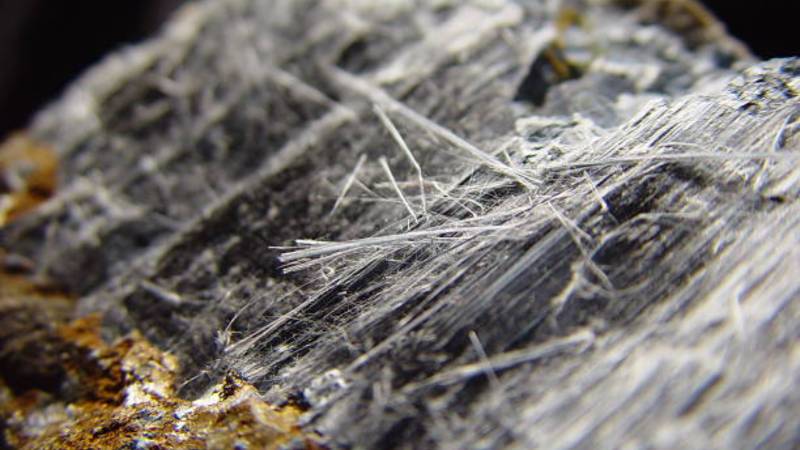
Across Pakistan, the very spaces that are meant to provide safety and comfort—our homes, schools, workplaces, and hospitals—are silently endangering lives. Beneath the roofing sheets, inside insulation, water tanks, tiles, and construction materials lies a dangerous secret: asbestos. Banned in over 60 countries for its lethal effects, asbestos continues to be manufactured, sold, and installed across Pakistan without restriction or oversight. This quiet proliferation of a well-documented carcinogen is fuelling a public health crisis that remains largely invisible and unaddressed.
Once praised for its strength, affordability, and resistance to heat and corrosion, asbestos is now known worldwide as a deadly hazard. Its microscopic fibers, when disturbed, become airborne and are inhaled into the lungs, where they can remain lodged for decades. The long latency period—often 20 to 40 years—means that the full impact of exposure is not felt until it is too late. Victims develop incurable diseases such as mesothelioma, a rare and aggressive cancer of the pleural lining, asbestosis, and chronic respiratory conditions. Despite this well-established medical knowledge, the use of asbestos in Pakistan continues unchecked.
The threat is especially acute in Pakistan’s sprawling urban slums, industrial centers, and aging public buildings, where low-cost construction materials and informal labor practices are common. In cities like Karachi, Lahore, Faisalabad, and Quetta, elderly citizens who have spent lifetimes under asbestos-laden roofs or in ventilated workshops now face unexplained breathlessness, persistent coughing, and chest pain. Tragically, in most cases, there is no early diagnosis, no accessible treatment, and no compensation—only slow, silent suffering.
As Pakistan embarks on massive infrastructure projects under CPEC and urban renewal programs, our ambition mustn't come at the cost of public health
In the northern regions, such as Gilgit-Baltistan and parts of Khyber Pakhtunkhwa, naturally occurring asbestos deposits near mining zones expose not just workers but also entire communities, including children. In places like the Gadani shipbreaking yards and roadside automotive workshops, laborers dismantle old machinery and handle brake pads without masks, gloves, or basic awareness. The deadly dust clings to their skin and clothes, eventually finding its way into their homes. The cycle of secondary exposure to wives, children, and elders remains unrecorded, unacknowledged, and unaddressed.
Part of the tragedy lies in the deep public ignorance about the substance. The word “asbestos” is alien to most Pakistanis. Contractors recommend it for its durability and cost-effectiveness, unaware—or indifferent—to its long-term consequences. Even some hospitals, ironically tasked with healing, have older wings built with asbestos-based materials. In schools and madrassas across the country, broken roofing, exposed insulation, and outdated infrastructure pose a constant, invisible threat to children.
This public health time bomb continues to tick because of a profound institutional failure. While Pakistan is a signatory to international agreements like the Rotterdam Convention—which calls for regulation and informed consent on hazardous substances—it has yet to implement a national ban on asbestos. There is no official registry tracking asbestos use in buildings, no surveillance of asbestos-related diseases, and no legal framework to guide its phased removal. Imports flow freely. Factories continue to manufacture asbestos products. Lives continue to be silently, needlessly lost.
But this is not an irreversible crisis. Pakistan has the opportunity—and the obligation—to act now. The first step must be a complete ban on the import, manufacture, and use of all forms of asbestos, bringing Pakistan into alignment with international health and safety standards. Simultaneously, the government must initiate a national survey to identify buildings and infrastructure containing asbestos, especially in public-sector facilities such as schools, hospitals, and administrative offices. Based on this mapping, a plan must be developed for safe removal and disposal, ensuring that the process itself does not further endanger workers or surrounding communities.
Prevention cannot stop with materials alone. Pakistan must urgently establish routine health screenings for people living in high-risk areas and those employed in construction, mining, shipbreaking, and auto repair. Special attention should be given to the elderly, who may already be experiencing late-stage symptoms without ever receiving a diagnosis. Medical staff must be trained to recognize asbestos-related diseases, which are often misdiagnosed due to low awareness.
Occupational safety needs to be overhauled. The use of personal protective equipment (PPE) must be made mandatory for workers in asbestos-prone industries. These laborers should not have to choose between earning a living and safeguarding their health. Health insurance schemes for at-risk workers must be implemented and monitored, with shared responsibility between employers and government bodies.
Equally important is education. A national public awareness campaign—led by government ministries, broadcast media, and grassroots organisations—should inform the public about the risks of asbestos and the availability of safer alternatives. Informing communities, contractors, and decision-makers is essential to shifting construction practices and consumer behaviour.
Finally, research and data collection must play a central role. Funding should be allocated to establish national registries of asbestos-related illnesses, while the Ministry of Health and Environmental Protection Agencies must develop the technical capacity to track and manage these cases. Only with surveillance and data can the true scale of the problem be understood—and ultimately controlled.
As Pakistan embarks on massive infrastructure projects under CPEC and urban renewal programs, our ambition mustn't come at the cost of public health. We must ensure that the materials used today do not sow the seeds of suffering tomorrow. Our shelters must protect—not poison—the lives within.
This is a call to action—not just for policymakers, but for civil society, the media, the medical community, and every citizen. We must raise our voices and demand accountability. The invisible fibers of asbestos are already claiming lives, slowly and mercilessly. If we do not act now, we will be complicit in a preventable tragedy that spans generations.
In the end, it is not enough to build homes, schools, and hospitals. We must ensure they are built with wisdom, responsibility, and above all—safety.