


This scribe had visited Lahore many a times since the launch of Orange Train and had previously endured negotiating the broken roads on Multan Road during its construction, but had never found the opportunity to travel on the train itself. On a recent visit to Lahore, time was spared to travel on a segment of the train before taking a sojourn of the walled city. The train trip lasted from Gulshan Ravi to Railway Station, through its sub-terranean section of GPO and Lakshmi Chowk stops.
A brief description of the ride is that we in Lahore, can rightfully be proud of a world-class facility provided to the people, especially for the lower economic classes.
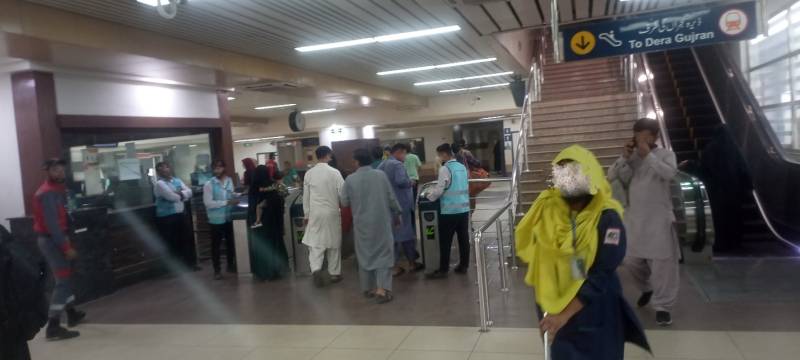
The first impressions go a long way. On entering the station, visitors are overwhelmed by the size and grandeur of the entrance. Interior has tastefully tiled floors, working accelerators, high roof, efficient staff and spotless cleanliness. There was one cleaner on each floor and was observed to be sweeping and mopping continuously. It is due to this effort that despite poor cleanliness habits of our people, the structure remains spotless. It also shows that the train management is competent.
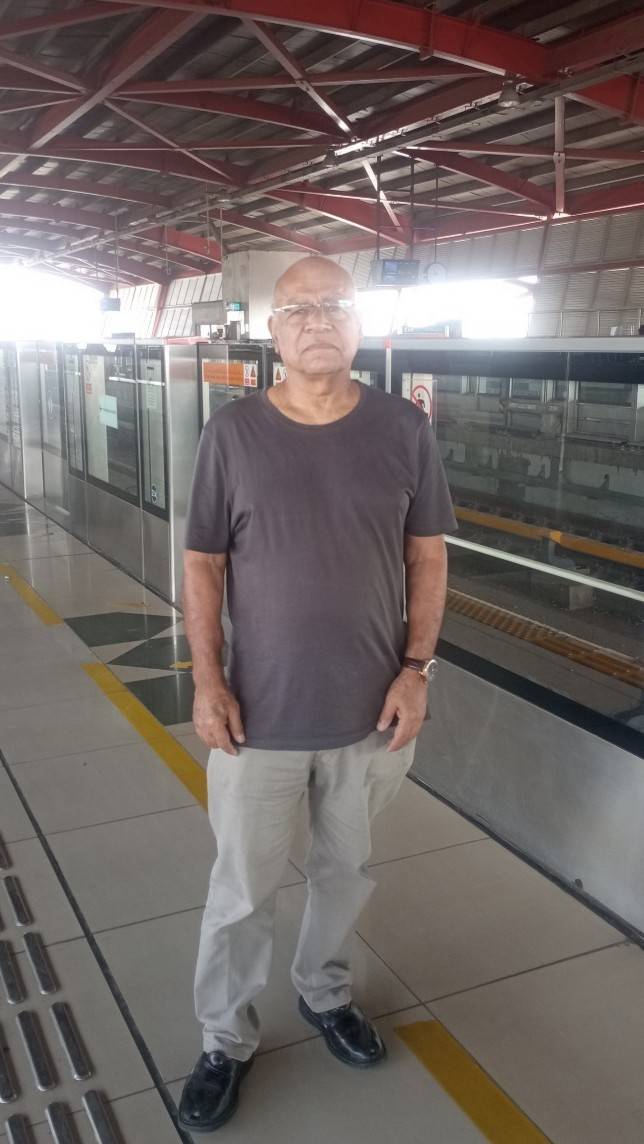
The train itself has an appealing décor. The coaches are colourful and sleek. The announcements in the station and the train are pertinent and informative. All doors are electrically operated with an LED display depicting the route and the next station. There are steel benches along the walls of the coaches with ample space in-between for passengers to stand during rush hours. This journey was undertaken at about 10:00 hours, outside the rush hours, yet all seats were fully occupied with many people standing.
I have travelled a lot in Karachi public transport and it’s a shame that a metropolis of over 20 million doesn’t have any respectable and dignified mode of public travel
As someone noted for me that the beginning and the ending stations are located in areas of low-income population, who are the major users of the facility. However, upper middle class too uses the facility to save on driving effort, parking hassle and fuel cost. That, of course, is again commendable because public resources in the country have generally been utilized for the welfare of the privileged. The Lahore Orange Train and the Metro Buses in Lahore, Rawalpindi-Islamabad, Multan, Karachi and Peshawar are certainly for the low- and middle-income groups.
The uniform ticket price is Rs 40. That’s quite low and lower than any other mode of hired or personal transport. The same is true for metro-bus too. The fare are really low for travel from one end of the route to the other end. Leaving the economics and cost accounting aside, which translate into subsidies, this mode of transportation is a great facility for the general public. Public transport system, all over the world, runs on subsidies with some cities providing free rides. It’s a legitimate means of transferring tax money from the rich to the poor. The subsidies are compensated by saving fuel, averting pollution and reducing traffic.
The staff is certainly well trained and efficient. On enquiring for directions, the staff members very eagerly provided information. When this scribe tried to take pictures, another staff member was polite but firm in informing that photography was prohibited, for whatever reasons. Next, when a picture was taken while boarding the train as its electric gates were closing, a staff member came over to reprimand this irresponsible behaviour. These incidents indicate professional behaviour not seen in many public institutions.
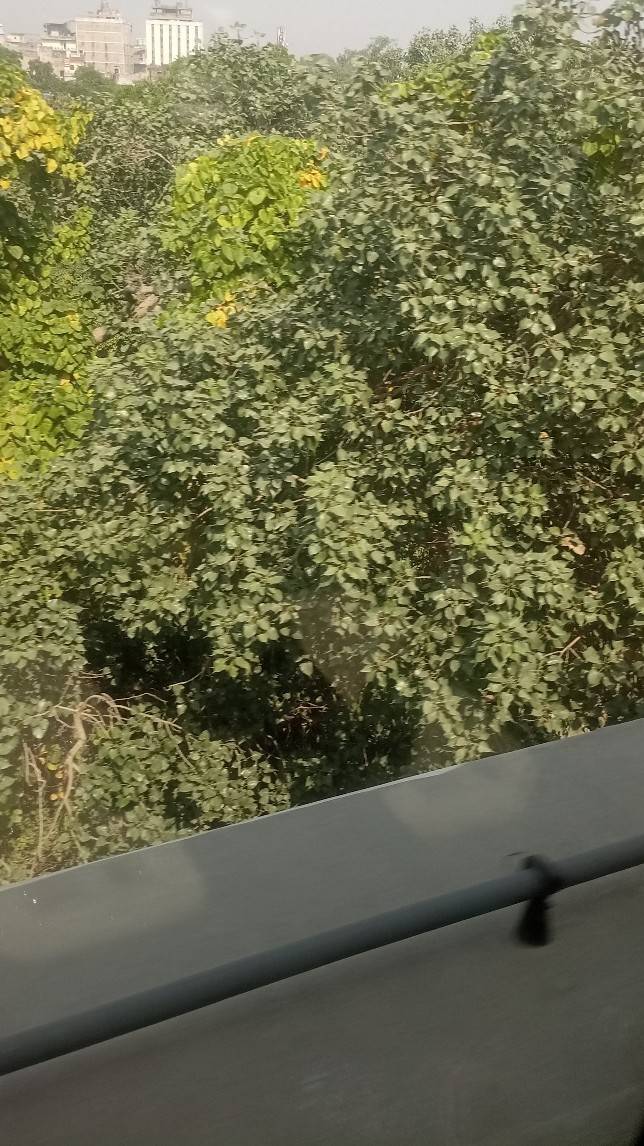
The views of Lahore from the elevated track are spectacular. All landmark buildings are clearly visible. The ride also showcased the greenery of the city with tall trees lining many of the roads and localities despite the concrete jungle that the city has become.
One city that has a crying need for a metro bus and train is Karachi but it has none. The metro-bus routes in that city have been under construction for very long time, yet are nowhere near completion.
This scribe has travelled a lot in Karachi public transport and it’s a shame that a metropolis of over 20 million doesn’t have any respectable and dignified mode of public travel. That is a poor commentary on the political party that is in control of Sindh province for many long years, including the current uninterrupted third term. Visitors from Karachi to Lahore or Rawalpindi-Islamabad are rightly agitated at differential developments of public services. The residents of Quetta too are rightly alienated due to complete neglect of public facilities, including transport.
The Punjab and federal governments involved in the initiation, completion and operation of this wonderful project of intra-city train need appreciation. Hopefully, other large cities of the country, specially Karachi will also be provided with this much needed facility.