

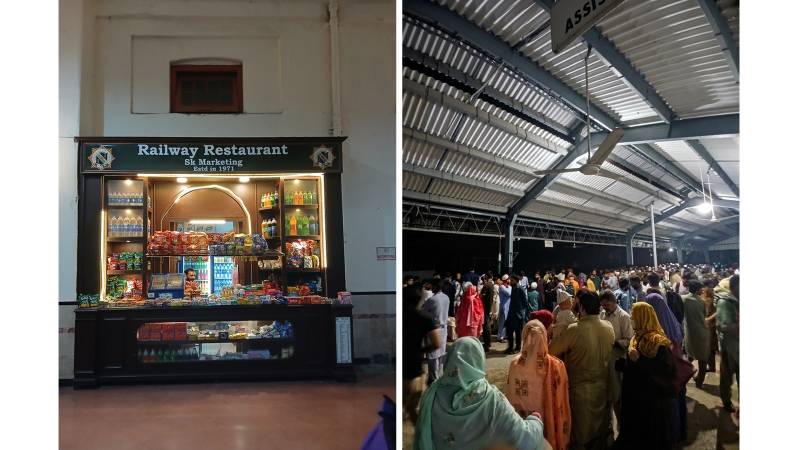
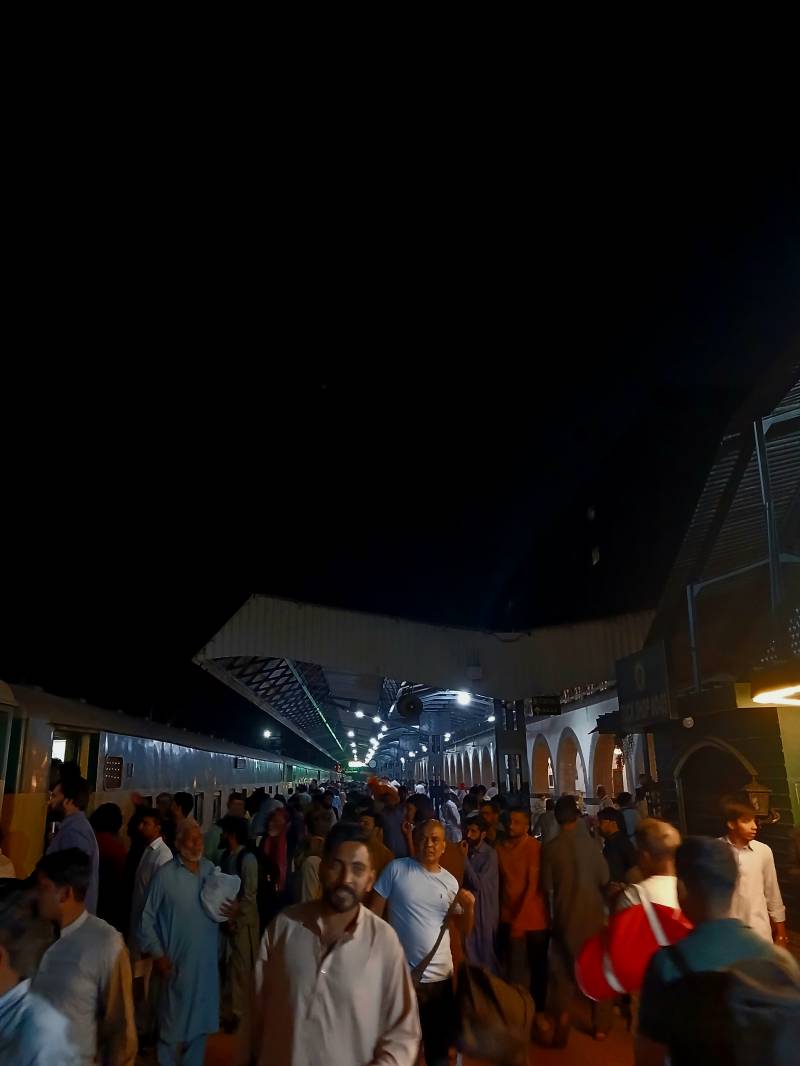
One recent night was many things, but calm was certainly not one of them. The vagaries of nature made themselves felt in the form of a powerful hailstorm, lashing the corrugated roof of a pre-Partition railway station in the Peshawar region where, unlike hundreds upon hundreds of passengers, I was sitting in the comfort of the station master's office. Thanks to the assistant station master, I was also issued a ticket, despite not having booked one in advance. Meanwhile, within the space of an hour, three trains arrived at the overcrowded station and crossed paths, their deafening horns and whistles blaring relentlessly.
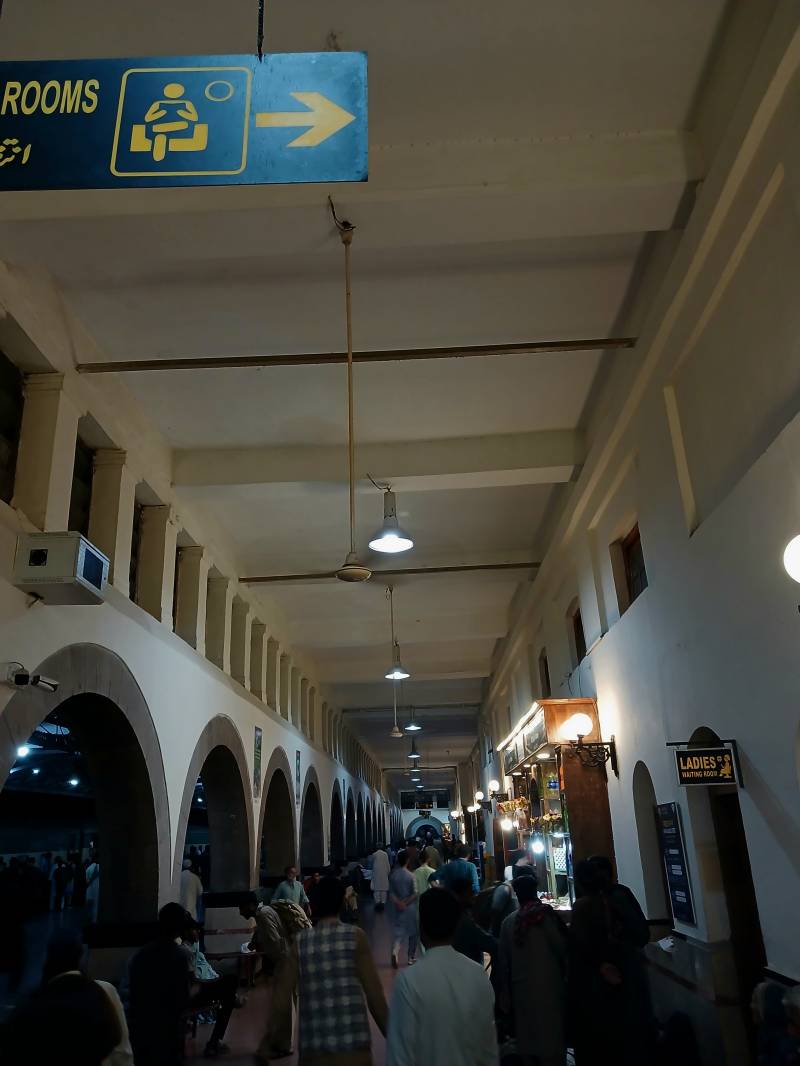
That night, everyone was making their way to the station to catch the last train bound for Rawalpindi, Lahore, and beyond, as road connections to Punjab, both through the motorway and along the GT Road, had been cut off. I was among those travelling not out of necessity but out of sheer love for their cities and languages. Just as our bodies need food to survive, my eyes and ears crave chaste Punjabi and Urdu. This may well be called my wistful longing for the languages I grew up speaking or hearing. They nourish my soul and replenish my capacity to stay away for another week.
With his alabaster complexion, broad forehead, neatly trimmed professor's moustache, and salt-and-pepper hair, the station master bore an uncanny resemblance to the versatile and celebrated thespian Rishi Kapoor
While I was wondering about all this, the assistant station master's conscientious subordinate entered the office and informed us that the train would be arriving at the station at any moment. The assistant station master readily picked up the handset of the rotary-dial telephone, quickly dialled the single-digit number, and let the dial return to its original position on its own. His call was instantly answered by his colleague on the other end. When he had finished the call, he turned towards his subordinate, and they shared a knowing smile. Then he looked my way and said, “Today, everyone is active, including the staff.”
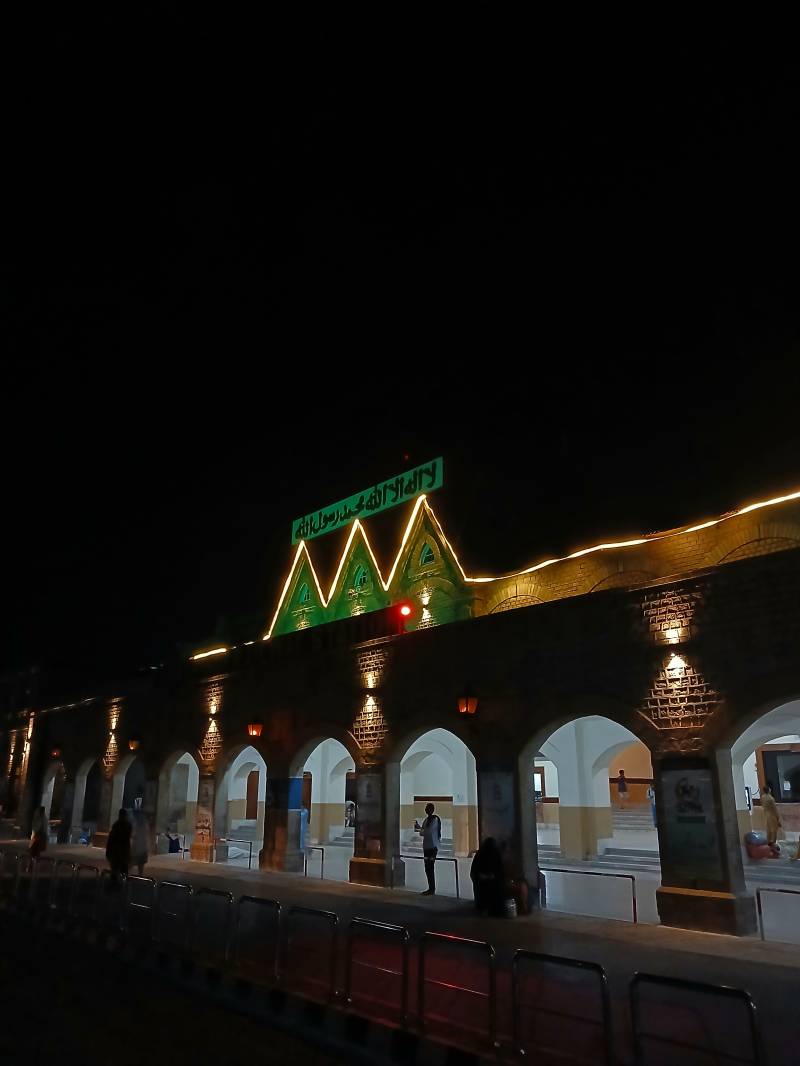
At the same time, the station master was answering one call after another with remarkable sangfroid. With his alabaster complexion, broad forehead, neatly trimmed professor's moustache, and salt-and-pepper hair, he bore an uncanny resemblance to the versatile and celebrated thespian Rishi Kapoor. He, too, was working overtime amid the prevailing situation in the country.
A few moments later, the subordinate entered the room again and, looking at the assistant station master, nodded. It was a signal that our train had arrived at the platform. Pointing towards the train as it slowly approached the station in the rain, the assistant station master said, “Sir, your train is here.” We got up, made our way through the crowd, hopped aboard the train, and it steamed off, leaving countless passengers behind on the platform. The train was bursting at the seams.
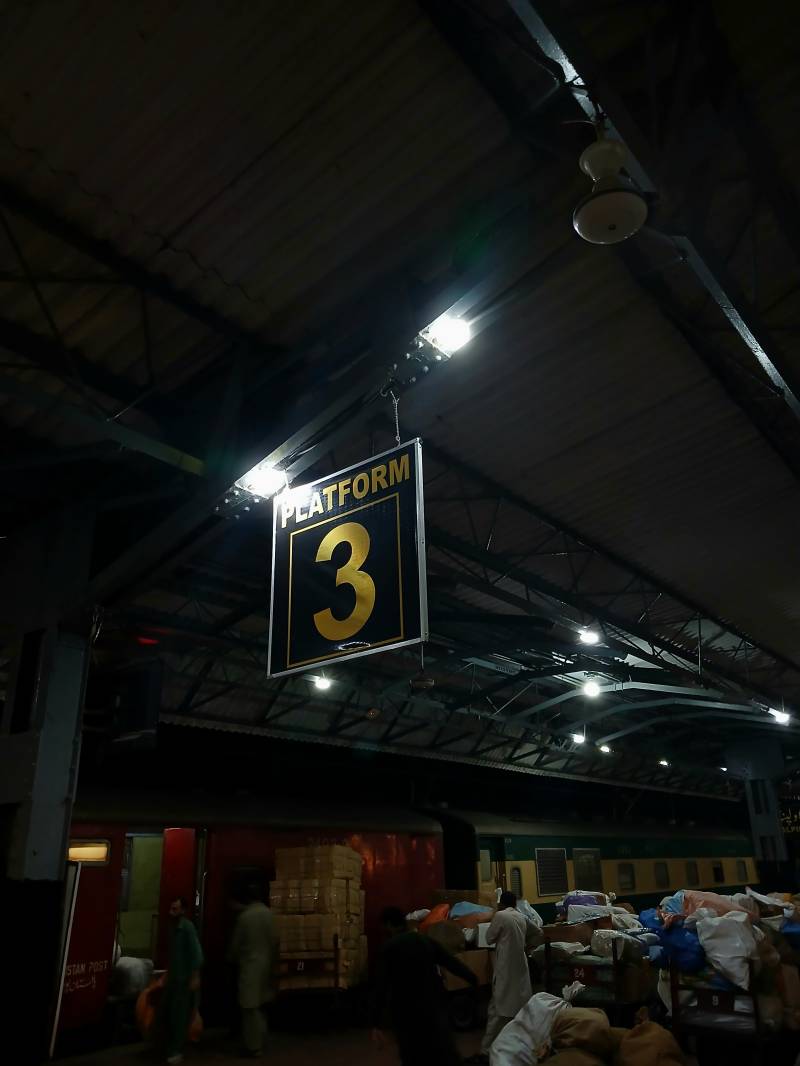
Inside the train, there was no distinction between the haves and the have-nots. Everyone had to reach somewhere. Some had to attend weddings, others had to join family members in mourning the loss of a loved one, some had job interviews scheduled, while others had flights to catch to foreign countries. It was as though life had little regard or concern for the situation on the ground. It went on as usual.
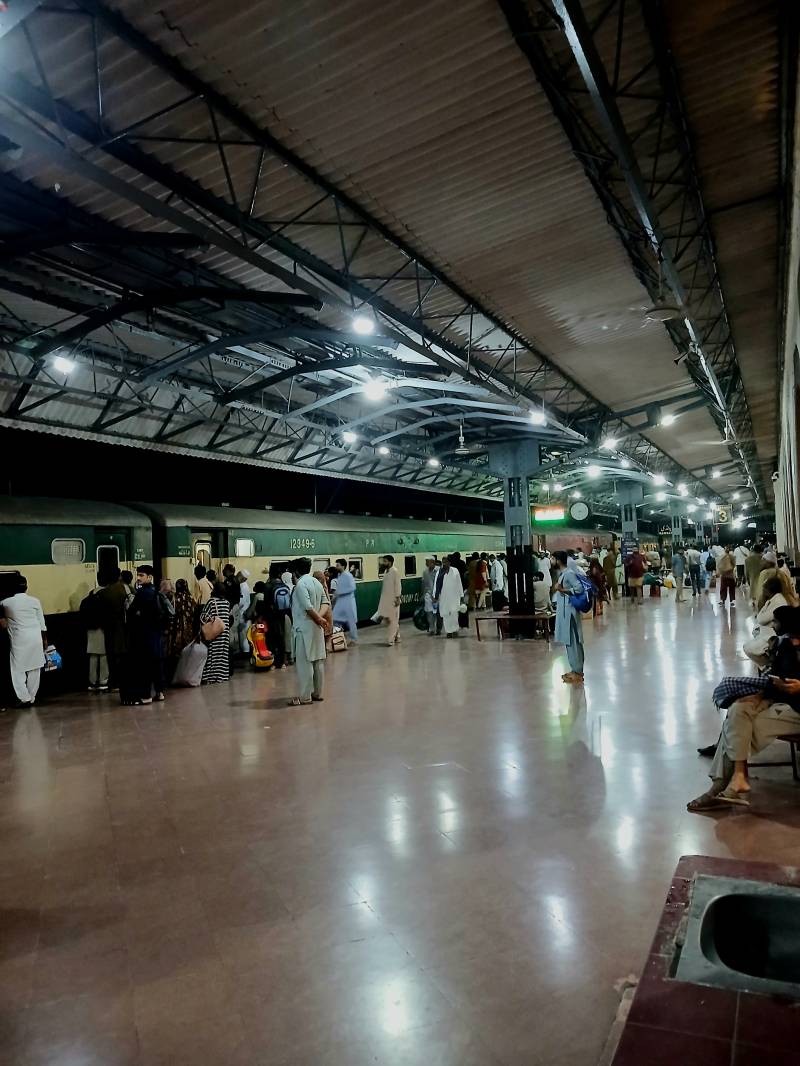
My new acquaintance, whom I had the good fortune to meet on the train, and I had to reach Rawalpindi before five o'clock in the morning to catch the bus to Lahore. Thankfully, the M2 motorway was open. In due course, we reached the beautifully renovated Rawalpindi Railway Station well ahead of time. The shipshape station platforms and waiting areas, along with the ornamental lanterns adorning the outer walls, lifted our spirits.
We booked a cab and left for the bus terminal. In the pleasant weather following the rain, I experienced Rawalpindi awash with the scent of petrichor. On our way to the terminal, I rolled down the car window, leaned out, and let the cool breeze freshen my soul. The wide, well-lit roads instantly gave the impression of a metropolis, and rightly so, for Rawalpindi is the third-largest city in Punjab.
The hotels, supermarkets, pharmacies, and cab services were functioning as usual. And all this was taking place in the darkness of the night, perhaps an hour before the sun would wink at our sleep-deprived eyes. Then we had our breakfast at a nice restaurant. I ate an apple and, ten minutes later, had one and a half cups of tea with some sandwiches. My new acquaintance, who is also an MBBS doctor, surprised me by ordering a cold drink. He gulped it down while munching on a large packet of Kurkure. Imagine! We were halfway through enumerating the pros and “only pros” of living in big cities when the muezzin from a nearby mosque began reciting the call to prayer.
We eventually left for the city whose very name sounds like a metaphor for all things beautiful. Of course, we headed to Lahore!