

I am quite exhausted writing in anger, desperation, and the need to vent. Elsewhere, writing is cathartic and helps raise awareness for action—change, influence, lobbying—but in Pakistan it seems a futile exercise.
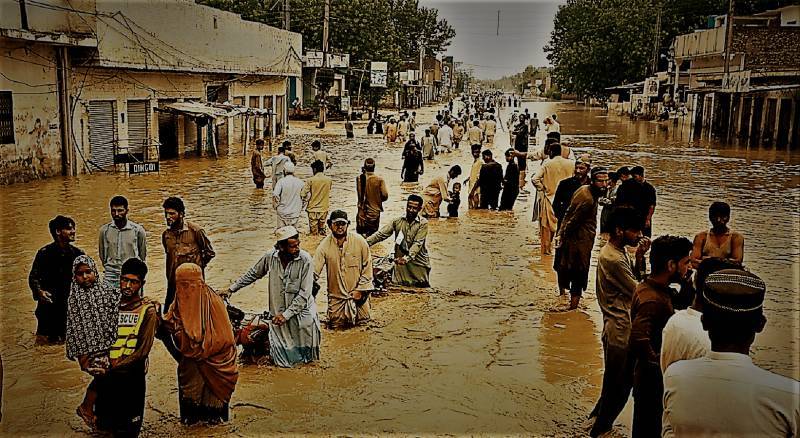
The cloud bursts, floods, rains, and glacier melts—all elements of nature—have wreaked havoc in Gilgit-Baltistan, Buner, Swat, and are coming down into Charsadda in August 2025. From first-hand accounts and video footage shared on social media, it is the general public who are the victims, with volunteers helping, rescuing, and aiding the traumatised citizens. The streets have become rivers of angry boulders; water has overflowed and destroyed illegal, dangerous restaurants, rest houses, and dwellings, both near and far from waterways, while mountains have washed away similar infrastructure—homes and restaurants—because of massive illegal logging, which removed the forest cover that Mother Nature had provided.
No one can completely safeguard against Mother Nature when she is angry, but we can and should mitigate the effects of illegal settlements, deforestation, and over-logging. People living in disaster zones must be more resilient than the rest of us, with proper crisis education, healthcare, and disposable income. Twenty years since 2005, are local governments able to provide crisis support—boats, tents, helicopters, trained emergency workers, civil defence equipment, and training?
While medals were being distributed to friends and family this month, at state expense for services only they know about, millions living in Buner, Swat, Gilgit-Baltistan, and Charsadda are cut off from aid
What I am writing has been written hundreds of times since 2005. Pakistan is well-versed in disasters, yet refuses to build the necessary human and physical infrastructure to protect human lives.
August is a month in which Pakistan celebrates its birth, but it is also a month when we have experienced horrendous horrors, both historic and recent. Flooding, earthquakes—all have occurred in August.
While medals were being distributed to friends and family this month, at state expense for services only they know about, millions living in Buner, Swat, Gilgit-Baltistan, and Charsadda are cut off from aid, with no communication networks, homes and lives washed away. Does anyone care?
Yes, the relief civil networkers care. Our WhatsApp groups of civil aid workers remain connected all year round. We spring into action, raise funds, develop local contacts on the ground to assess what is required—emergency tents, food—raise the funds (through zakat, appeals, and trusted donors), and then send them to the affected areas via trusted and well-known aid workers. These networks are developed over years between citizens who care but are willing to ACT in the absence of government. We are not paid to do what our conscience demands (some NGOs also tap into our networks). Still, we also realise the government is inefficient and will not respond until paid to do so, and, frankly, is apathetic and untrustworthy.
It pains me to say this, because without the government and its access systems, districts cannot be helped or sufficiently assisted. Moreover, in the securitised environment Pakistan has become, the movement of goods, services, and people requires government consent and, at the very least, non-interference.
The systems are so rotten to the core that even individual good officers on the ground remain helpless in the face of lack of funds, equipment, appropriate technical staff, and resources. We state this every day, in every cycle of disaster management in Pakistan. What will it take for those who wield the reins of budgets and decisions to prioritise the people who call themselves Pakistanis? When will Pakistani lives matter?