

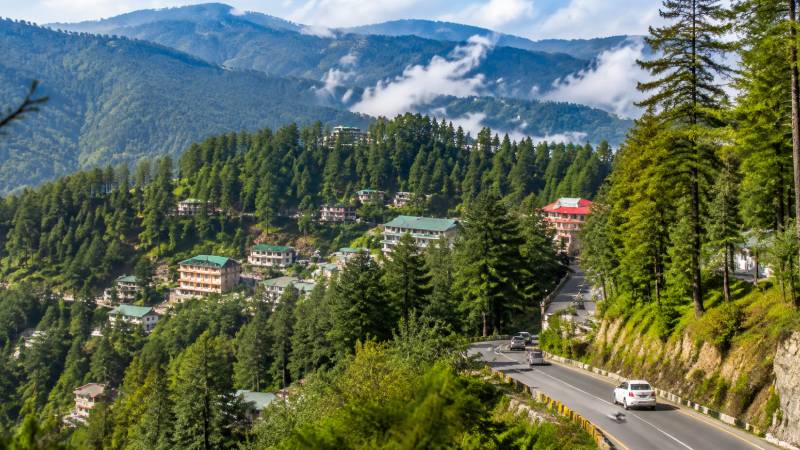
Galiyat lies in the Himalayan foothills and is one of Pakistan's most attractive tourist destinations, known for its scenic landscapes, natural springs and pleasant climate. Tourism supports local incomes and employment, but increasing tourism activity and rapid development are also placing pressure on the region's natural resources and local communities.
Over the past few years, climate change, commercial activities and deforestation have increased pressure on local water supplies and natural springs. As more hotels open and the population grows, competition over limited water resources is becoming a serious concern. Water scarcity in Galiyat is not only creating environmental problems but also affecting daily household activities and local livelihoods. At the same time, competition for these limited resources is creating friction between businesses and residents.
The Galiyat Development Authority (GDA) regulates tourism and manages natural resources. It supplies water to hotel operators but cannot meet demand, particularly during peak tourist seasons. Consequently, hotels turn to alternative sources, including natural springs in nearby villages. Tensions arise between local communities and tanker operators when private tankers extract water for commercial sale to hotels. Community members often protest, and these disputes sometimes escalate into verbal arguments and abusive exchanges. Local residents depend on these water resources to meet their daily needs and fear that excessive extraction could further reduce water availability.
This situation demonstrates that tourism development and commercial interests must be aligned with community needs. Otherwise, unresolved grievances can lead to serious conflicts between local communities and tourism stakeholders, potentially damaging the destination's reputation and discouraging repeat visits by tourists.
Solid waste management is another significant environmental challenge in Galiyat, where the mountainous terrain and interconnected network of streams and springs make proper waste disposal particularly important. Although the GDA collects waste and transports it to Abbottabad for disposal, and the main tourist sites are generally clean, litter remains scattered behind hotels, along walking trails, near drainage channels, around natural water sources and in local marketplaces. Poor waste management spoils the landscape, creates unpleasant smells and poses risks to public health through water contamination. Of particular concern is the fact that polluted drainage water mixes with a natural spring used by residents for drinking and other domestic purposes.
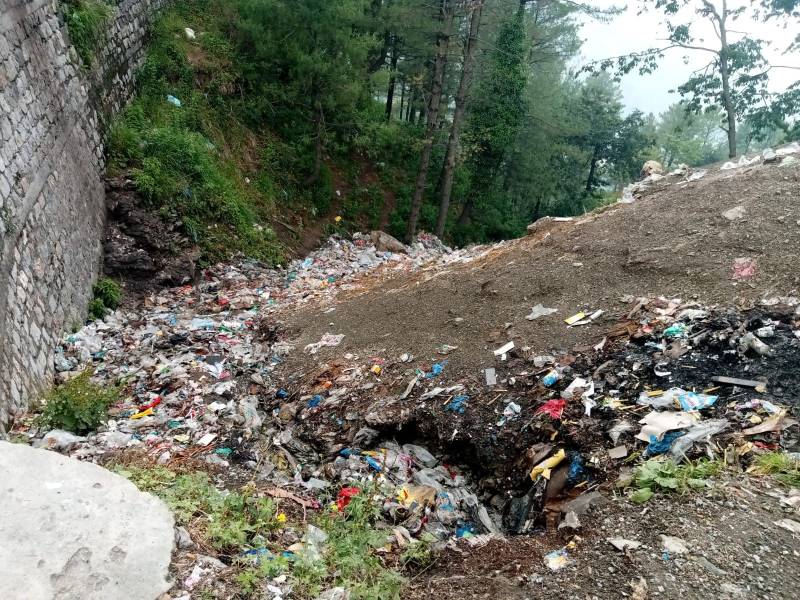
Garbage polluting the gully in Kalabagh Bazar, Galiyat
Together, water extraction and environmental pollution highlight the urgent need for responsible tourism management. Preserving Galiyat's natural beauty and protecting community resources are essential for the well-being of local residents. Environmental degradation threatens the region's natural beauty and peaceful environment. It can also discourage tourist arrivals, undermine local livelihoods and limit economic opportunities.
Addressing these environmental challenges while meeting community needs requires coordinated efforts from the Galiyat Development Authority (GDA), tourism businesses and local communities. The GDA should establish a water management committee with local representation. Commercial water extraction should be monitored and regulated through a permit system that prioritises the needs of local residents.
The GDA should also encourage commercial stakeholders, including hotel and restaurant owners, to install rainwater harvesting and storage systems to reduce pressure on natural springs, particularly during peak tourist seasons. Similarly, the authority should strengthen waste collection services around hotels, marketplaces and walking trails while ensuring that hotels properly manage and treat their wastewater to prevent contamination of natural springs. Involving community-based organisations and local volunteers could make these efforts more effective. At the same time, local residents must be included in planning and decision-making processes.
Such measures can help create a clean and responsible tourism environment while ensuring that the needs of local communities are met and their consent is respected. To promote and maintain sustainable tourism, all stakeholders must adopt a responsible approach to preserving Galiyat's natural beauty while ensuring lasting benefits and well-being for both visitors and local residents.