

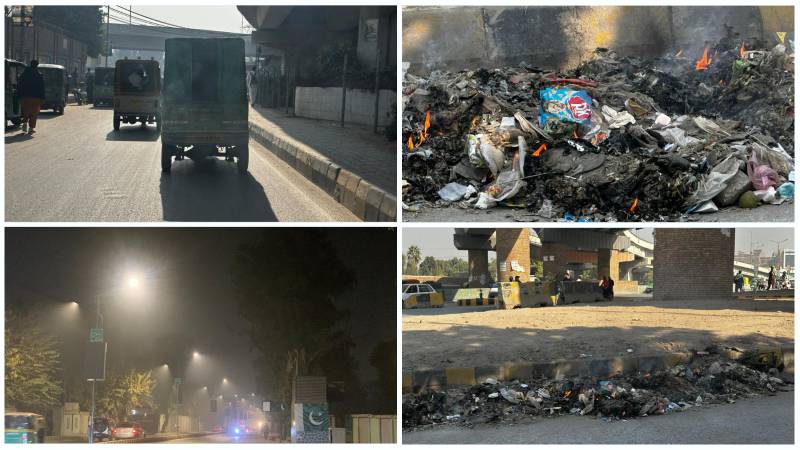
From deadly floods to disease outbreaks and choking smog, KP faces swelling calamities while the government ignores warnings, underfunds EPA, no climate leadership revealing Climate Crisis is missing in Provincial Agenda.
Khyber Pakhtunkhw (KP) is experiencing worsening climate crisis that kills people, but the very crisis remains like a shadow visible, yet untouchable missing from the province’s agenda. In the new Chief Minister Sohail Afridi’s 10 member cabinet, no portfolio has been assigned to any member for Climate Change, Forestry, Environment & Wildlife Department. KP does not have a standalone ministry for climate change or environment, and confusion among departments roles coupled with weak departmental coordination has deepened the climate crisis, leaving residents to bear the brunt of its impacts. Environmental Protection Agency (EPA) is mandated to enforce environmental laws, monitor compliance, prevent pollution, and promoting sustainability, continues to operate with the lowest annual budget compared to other provinces.
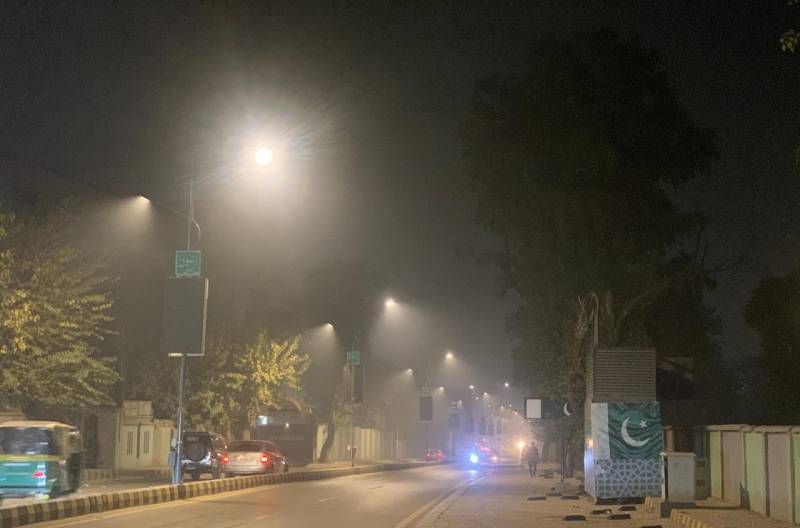
The inhabitants have yet to recover from the monsoon floods and landslides that claimed 511 lives; continue to face a surge in water and vector-borne diseases. Now, as smog intensifies during the dry winter, respiratory diseases rising at alarming ratio while the government remains a passive observer.
Peshawar Winter Bites: Mother battle for Breaths
When global climate agencies confirmed 2024 as the hottest year on record, Sana Shakeel, a 36-year-old mother of four from Nasir Bagh, Peshawar, was fighting for her son’s breath. From Oct 2024 to January 2025, she struggled to protect her children and mother in-law from respiratory illness during the dry winter. When she shared her story with The Friday Times TFT in January 2025, the warmest January recorded. “Shielding 04 children’s and mother in-law from respiratory diseases in rainless winter is worsted experience for any housewife in the city” Sana said.
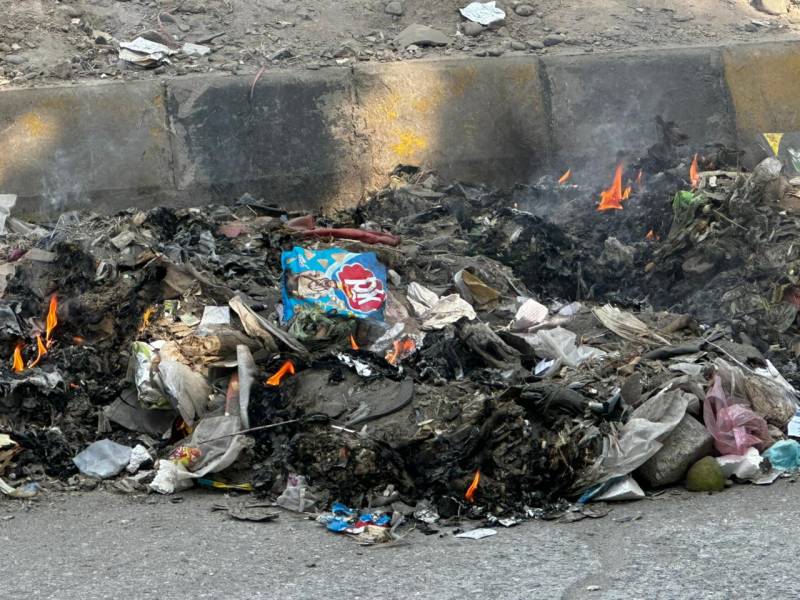
Her younger son suffered a severe cough last winter, and the doctor advised using an inhaler. Just as he recovered, her asthmatic mother-in-law fell ill. Her five-year-old son, Mustafa, who has reactive airway disease, experienced severe allergies triggered by dust, dryness, pollution, and smog.
Sana’s biggest worry was the doctor’s strict warning that Mustafa couldn’t endure exposure to dust. Speaking to TFT, she said, “I know the air is polluted, but the children want to play outside. How can I keep them indoors all the time?”
Meetings with doctors at Lady Reading Hospital LRH, Hayatabad Medical Complex HMC, and private practitioners indicate rising winter respiratory cases each year, 45 % increase in respiratory diseases at LRH last winter. Zaman Khan medical technician and medical store owner in district Mardan, told TFT that last year winter, children’s inhalers had even run out of stock due to high demand.
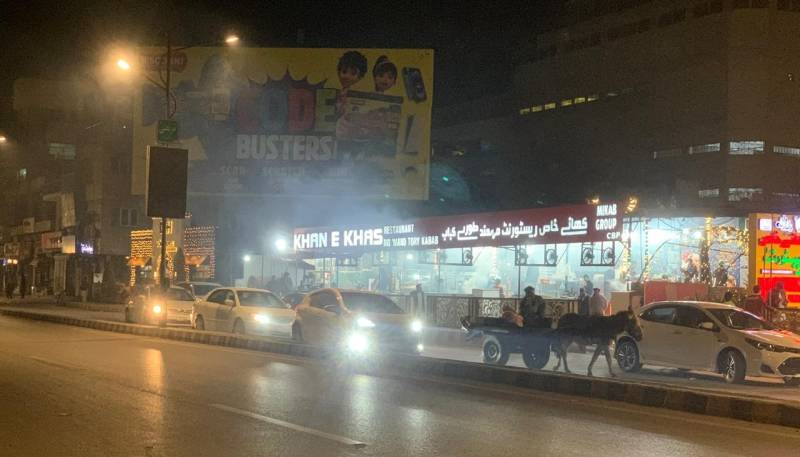
Will mothers like Sana capable to protect their children from smog in a city like Peshawar this year? The answer is “Winter is Here” and its Dry, while the Government has no intent and dedicated plan yet to deal with the smog.
Peshawar Smog Aura and Ambitions
Peshawar has faced “hazardous” air quality, with AQI readings around 300 and sometimes soaring above 400 to 500, driven by high PM₂.₅ levels, far exceeding WHO’s safe limit of 50. On November 11, 2024, AQI hit 509. Peshawar now ranks among Pakistan’s most polluted cities, often second or third after Lahore.
According to the Peshawar Clean Air Alliance (PCAA), and SEED programme 2022 finds Vehicular emissions 58.46% , the biggest contributors to polluted air in Peshawar, dust contribute 17.67% of air pollution, the domestic sector 11.66%, industry 6.58%, open waste burning 4.10%, and the commercial sector 1.49%. Despite vehicular emissions being the biggest driver of smog, the capital city of the province still lacks a comprehensive plan to address it.
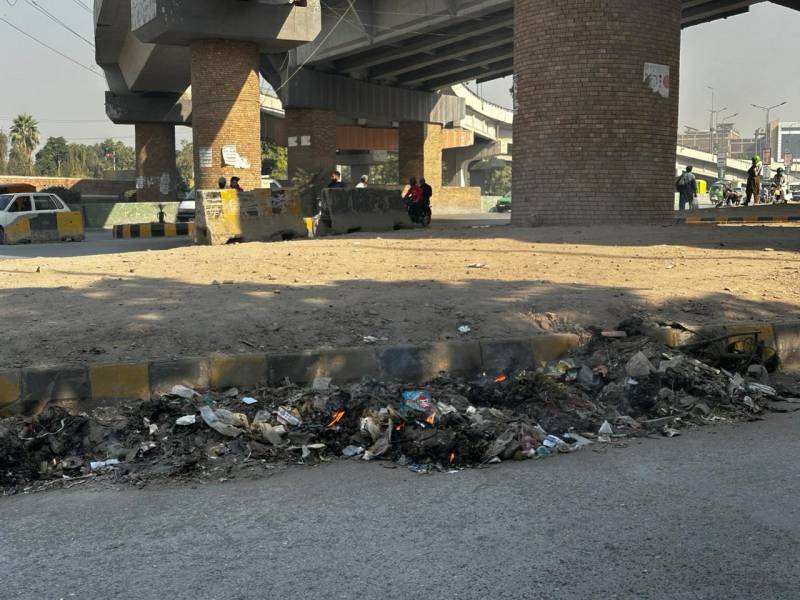
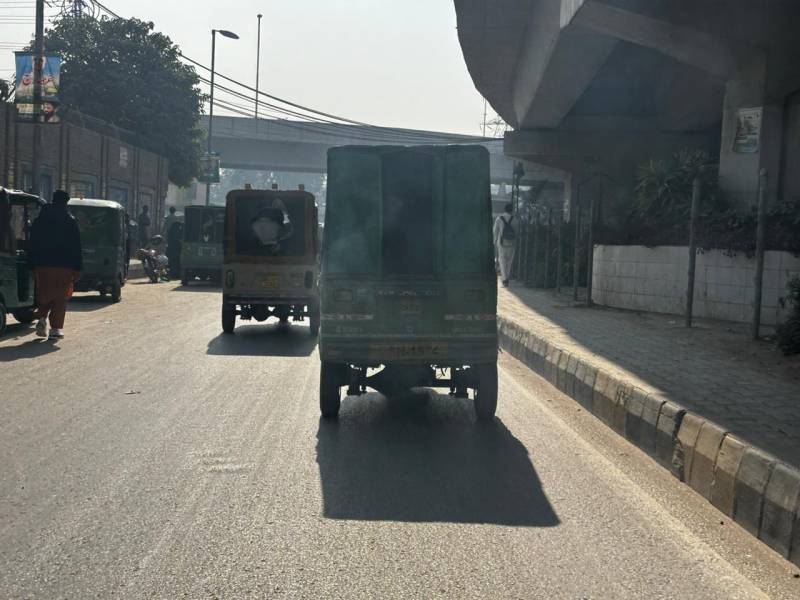
Currently, around 0.7 million vehicles are on the roads of Peshawar, including nearly 95,000 rickshaws, According to data from the KP Transport Department, 25,000 rickshaws are registered, while the rest are without permits.
Vehicle Emission Testing Station (VETS) was established in Peshawar in 1997 under the Pakistan Environmental Protection Act. However, after the 18th Amendment, the then coalition government of the Pakistan People Party PPP and Awami National Party ANP decided to place VETS under the Transport Department. As per VETS data, at the time there were 97000 vehicles in Peshawar and there were three emissions testing labs however vehicles accede to 0.7 million and still VETS have three testing labs.
KP Manager VETS Pir Zubair told TFT that they have begun taking action, in coordination with the district administration, against old school buses. He said that last year VETS inspected 150,000 vehicles, of which 94,000 passed while the rest were penalized. In response to a question, the manager said that we can only record smog levels and, together with the police, take action against vehicles with high emissions. However, dust is also a key factor in vehicle related smog, and for that, the involvement of the municipal administration and other departments is essential.
The government currently has no clear plan to tackle smog during the winter season. Last year, when smog levels worsened in December and January, former Chief Minister Ali Amin Gandapur announced Rs 150 million funds for Smog Action Plan. However, the announcement never materialized neither VETS nor the EPA received any funds from the smog action plan.
Javed Khan environmental Journalist at Peshawar told TFT that KP is not responding the smog as other provinces; Punjab is leading the smog initiatives. Punjab government announced a dedicated funds and has intensified its anti smog drive by launching an AI-based monitoring and forecasting system, enabling real time detection of pollution hotspots across the province, and have separate budget.
Punjab has installed 41 advanced Air Quality Monitoring Stations set to reach 100 next year and established a dedicated Smog War Room linked to the Punjab Information Technology Board (PITB) dashboard for rapid enforcement. Using drones, smart surveillance, and AI compliance tools, Additionally, Punjab is deploying Anti Smog Guns (fog cannons), mobile fuel testing labs, smoke opacity meters, and automotive emission analyzers under its wider smog control framework.
Javed said that while Punjab has taken coordinated, multi department initiatives to tackle smog, KP’s crisis remains largely unaddressed, with poor inter departmental coordination.
EPA: KP’s Neglected Environmental Watchdog
Despite being one of the most climate vulnerable provinces, EPA continues to face severe underfunding. For the fiscal year 2025-26, the province has allocated only Rs 271.834 million to the EPA far below Punjab’s Rs 1.6 billion and Sindh’s Rs 1.99 billion and Balochistan 862 million. The budget table describes KP as “significantly underfunded relative to population and environmental needs,” a reflection of how little priority environmental protection receives in the province. The EPA, mandated to enforce environmental laws, watch compliance and monitor pollution, responsible for protecting, conserving, and rehabilitating the province’s environment, but currently lacks expertise and sufficient budget to address issues like waste management, biodiversity loss, and water pollution effectively.
An analysis of the 2024-25 audit report on the accounts of climate change, environment, and disaster management organizations by the Auditor General of Pakistan indicates that the KP Environmental Protection Agency (EPA) has struggled to achieve its objectives since inception.
The report notes that KP’s EPA operates with only one lab, faces staff and logistical shortages, and lacks research and environmental education initiatives. It calls for increased budget allocation in the provincial ADP and federal PSDP schemes to improve monitoring, pollution control, and sustainable development.
Despite the escalating climate crisis, climate governance in KP remains fragile and poorly coordinated, as the government’s Climate Change Cell meant to ensure interdepartmental cooperation rarely meets, leaving confusion between the roles of Climate Change, Environment, Wildlife, and Forest departments and exposing a lack of technical capacity. As a result, the EPA has yet to meaningfully address issues like biodiversity loss, waste mismanagement, and worsening water and Air pollution, creating a widening gap among key stakeholders and leaving the province without a unified policy framework to confront climate crisis.
Climate Change and Government Apathy
Since 13 years Pakistan Tehreek Insaf (PTI) government claims the first provinces to introduce a climate change policy 2016, has struggle to restrain the escalating environmental crisis. The Climate Action Plan 2022 remains largely unimplemented, with key commitments still pending, including the Disaster Risk Reduction Policy and actions outlined two years ago; even the Food Security Council has not held a single meeting. KP currently has no minister for the Climate Change, Forestry, Environment & Wildlife Department CFEWD, the previous Special Assistant to Chief Minister KP for CFEWD, was appointed late and the new cabinet has left the post vacant, while the Secretary’s position has also remained unfilled for over a month, leaving the province without leadership on critical climate matters.
The effects of climate change are hitting KP faster than predicted. Over the past decade, the province has faced prolonged smog, heat waves, erratic rainfall, and unusually dry winters. Officials from the KP Regional Meteorological Centre told TFT that historically, winters brought consistent rainfall, but over the past Ten to fifteen years, this pattern has shifted, with winter precipitation nearly disappearing and most rainfall now occurring during the monsoon. Experts warn that prolonged dry winters could severely impact vulnerable groups.