

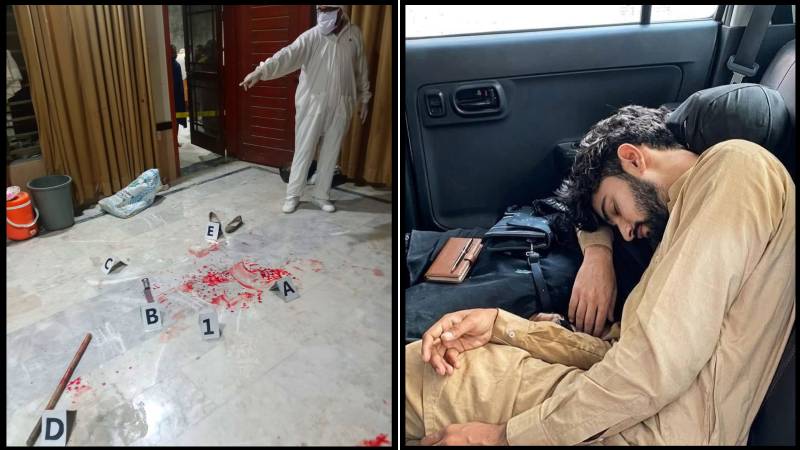
In the narrow lanes of Shah Dherai village, 21 kilometres from Mingora, the main city of Swat, 36-year-old Husan Pari was known to everyone as a mother who lived happily with her three daughters. Village women would come to her to share their sorrows, and she would even offer them financial help. But Husan Pari had no idea that Sardar Ali, whose return from Muscat, Oman she had long awaited, would come back not to his family but with a death sentence for them.
On 14 July 2024, Sardar Ali called police himself and confessed to murdering his wife and three young daughters before fleeing abroad. He remains at large. The killings laid bare the brutal reality of honour killings in rural Khyber Pakhtunkhwa.
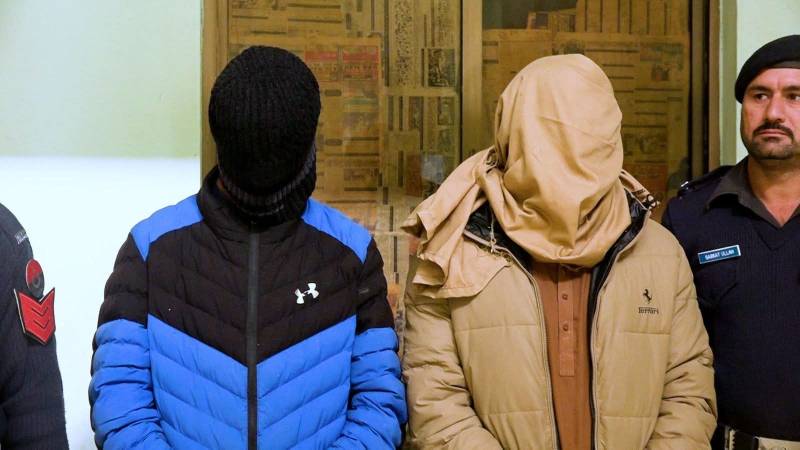
According to Husan Pari’s family members, the motive behind the murder of his wife and three daughters was a phone call Sardar Ali received alleging that they were in relationships with men and connecting with them on mobile phones, damaging his honour. Based on suspicion and allegations alone, he killed his entire family in the name of honour.
According to The Awakening, an NGO that has tracked honour killings, domestic disputes, sexual violence, and suicides in the district since 2012,180 women and 21 men have been victims of honour killing. Police figures tell a different story: the District Police Office Swat recorded only 117 cases in the same period — 85 women and 32 men — with 174 arrests and 88 cases registered. The gap between 201 and 117 is not a rounding difference. Survivors, activists, and officials describe a system where family pressure, weak evidence, and social stigma collapse prosecutions before they begin, and where deaths disguised as suicide never enter the official count at all.
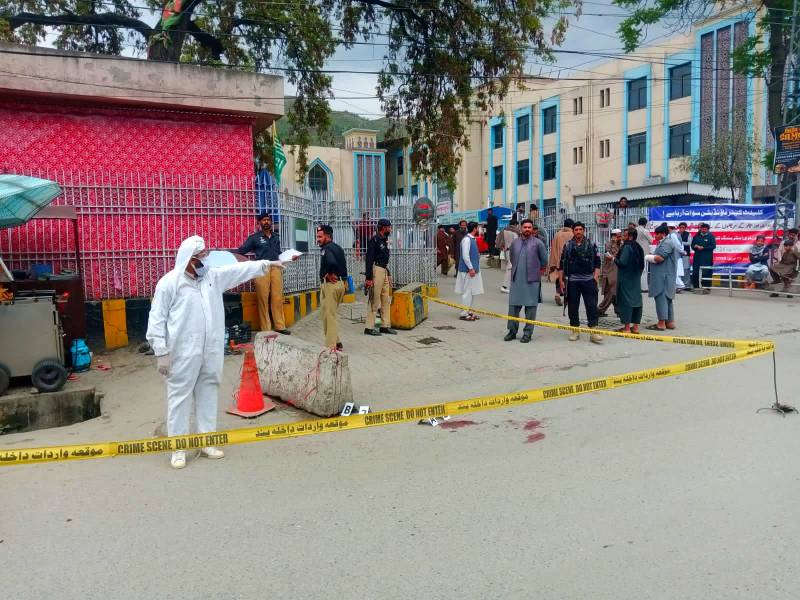
District Police Officer Muhammad Omar Khan confirmed the figures to The Friday Times. “We are working hard on it and have arrested a large number of accused in honour killing cases in Swat,” he said.
Omar says police have also carried out seven to eight exhumations since he took charge to allow internal investigations and ensure strict punishment. He explained that FIRs are initially registered under Section 302 for murder, and Sections 311 and 312 are added later if evidence of an honour motive emerges. This distinction matters: unlike Section 302, which allows the victim's heirs to pardon the killer, Sections 311 and 312 of the Pakistan Penal Code remove that power from the family and enable the court to impose death or life imprisonment regardless of whether relatives seek forgiveness. This was designed specifically to prevent honour killing cases from being quietly settled by the same families that ordered the killing.
The obstacle of family pressure
Advocate and Focal Person for Ending Violence Against Women and Girls (EVAWG), Samreen Hakeem said that the main obstacle is evidence and family pressure. “When the victims’ relatives do not provide complete evidence to the police, only Section 302 is applied,” she told The Friday Times. “In most incidents, it is the victim’s own family members who are involved. When legal action is initiated, other family members reach a settlement with the accused or do not present evidence in court.”
Hakeem has seen witnesses change testimony in court. “People who witness an honour killing with their own eyes testify in favour of the accused instead of the victim’s side,” she says. “In Pashtun society, killings are carried out in the name of honour, and then the case is dropped because it is considered a source of shame. Their stance is that the sooner the case ends, the better.”
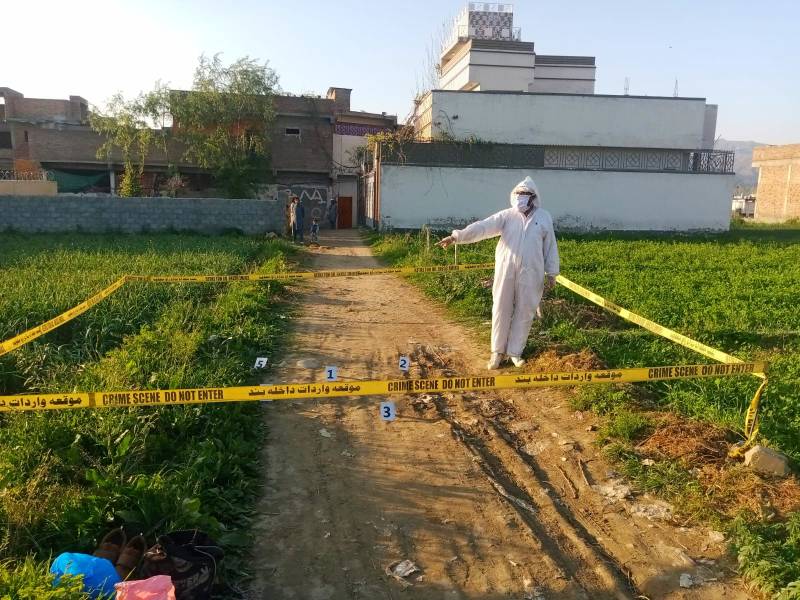
Niaz Ahmad Khan, a local journalist, told The Friday Times that media coverage reflects the same silence. “Journalists in Swat do not prominently report honour killings because some people consider them justified. In their view, a woman having a relationship with a man is un-Islamic or immoral. Secondly, women are mostly targeted, so journalists avoid reporting on family and sensitive matters.”
The reluctance goes beyond editorial caution. In Pashtun society, a journalist who names families or publishes case details risks becoming a target himself, as reporting is seen as an act of dishonour against the family, and retaliation is a real possibility.
In Ahmad’s assessment, the overwhelming majority of journalists in Swat report that an incident occurred without investigating further. He adds that honour killings have increased over the past decade, not decreased. “Governments and institutions exist here, but perpetrators are not punished. Despite thousands of incidents in the last ten years, the conviction rate has been extremely low.”
The consequences of defying Pashtun cultural norms include displacement and constant fear. Kashif Khan, a 32-year-old from Swat, eloped with the girl of his choice in 2019 and married her in court. Seven years later, he and his wife still live in Punjab, Pakistan, but they cannot return to Swat. “Through a friend, we found out that the girl’s family is still looking for a chance to find us so they can kill both of us,” he told The Friday Times.
Khan added, “It’s unfortunate that love marriages are not considered acceptable in Swat and the Malakand Division of Khyber Pakhtunkhwa, even though Islam allows marriage by choice. I wonder when we will understand this truth.”
The Human Cost
Psychologist Dr Mian Nizam Ali offers a clinical lens on some perpetrators. In his assessment, some men who commit honour killings act without any process of verification: an accusation against a wife, sister, or daughter is treated as sufficient, and the killing follows without investigation. "When the depression and anxiety worsens, it can lead them to kill their wife, sister, or daughter." In his view, such perpetrators are not acting from a position of rational social enforcement but from a distorted belief that killing preserves cultural honour. This is a belief he argues constitutes a form of psychological disturbance requiring medical treatment, not simply punishment.
Maulana Muhammad Huzaifa, a religious scholar in Swat, rejected both cultural and religious justifications for the killings. “These are not Pashtun traditions - loyalty, hospitality, and love are Pashtun traditions,” he told The Friday Times. He cited the Quran, which holds that whoever kills an innocent person has killed all of humanity. Those who invoke religion to justify honour killings, he said, demonstrate ignorance of their own faith.
Erfaan Hussein Babak, Executive Director of The Awakening, says the blame in these cases falls systematically on women, their character assassinated even in death. Laws exist, he argues, but go unenforced. “By excluding the honour killing clause, authorities shield the state from involvement in these cases, which allows injustice to persist and protects criminals from accountability,” he told The Friday Times.
No more suffering in silence
Jehan Era,a 48 years-old whose daughter was murdered in the name of so-called honor last June 2025. Jehan Era told The Friday Times that “our family was devastated and afraid to speak out. Many people advised us to remain silent, but The Awakening stood by us during one of the darkest periods of our lives. They helped us understand the legal process, connected us with legal support, and encouraged us not to give up our pursuit of justice. Their team also provided emotional support and raised awareness about the harmful impact of honor-based violence. Thanks to their assistance, we found the strength to continue the case and ensure that our daughter's story became a call for change rather than another forgotten tragedy”.
When Salma's daughter Shamim became a victim of domestic violence, they felt completely alone and overwhelmed. Salma told The Friday Times: "We did not know where to seek help or how to navigate the legal system. The support provided by 'The Awakening' helped us understand our rights, access legal assistance, and regain confidence to pursue justice. Their counseling and guidance also helped our family cope with the trauma and social pressure we faced. Today, we are more aware of our rights and believe that speaking out against violence can protect other women and girls in our community from suffering in silence."
The murder of Husan Pari and her daughters reflects a wider crisis in Swat, where at least 201 people, mostly women, have been killed in the name of “honour” since 2018. Despite laws like PPC Sections 311 and 312 designed to prevent family pardons, prosecutions fail due to stigma, pressure, and lack of evidence. Police report only 117 cases, with few convictions.
Until witnesses are protected, cases are fast-tracked, and communities reject violence as “tradition,” impunity will continue. As groups like The Awakening show, justice is possible — but only if silence is broken and the law is enforced.