

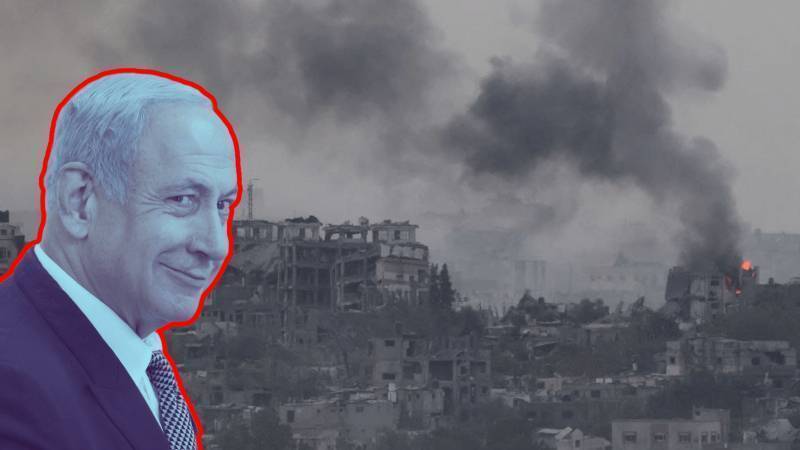
Gaza has been transitioned into a mass grave as Israel continues to halt humanitarian aid from entering the area. What is unfolding in Gaza is not merely a humanitarian crisis; it is the failure of the international system that has enabled such atrocities to persist. Gaza has become an indistinguishable wasteland with demolished infrastructure, mass graves, and a lack of medical facilities. Israel has recently resumed military operations in the North and South, particularly in cities such as Khan Younis and Rafah, which have caused large-scale civilian displacement. Israeli militants are targeting not only civilians but humanitarian assistance groups as well. An Israeli airstrike targeted the Kuwaiti Field Hospital in Khan Younis on 15 April 2025, killing medics and wounding patients. They are ramping up pressure on the Gaza Strip as proof of their unfettered authority and the futility of the international system. Resultantly, Gaza’s healthcare facilities have been largely compromised, worsening the humanitarian crisis. Attacks on medics and humanitarian groups have increased in frequency, which is part of a broader strategic pattern. These are targeted attacks, aiming to dismantle any avenues of relief to the Palestinian people.
In addition, Gaza has not been receiving humanitarian aid because Israel and Egypt have blockaded relief supplies, including food, fuel, and medicine. Hence, the humanitarian groups on the ground have to survive with what is available, which is hardly enough. The situation is extremely dire, with medics having to operate without anesthesia or clean water. Children starve as parents struggle to find food and shelter, often resorting to makeshift tents. Due to the bleak living conditions, diseases spread rapidly, adding another layer of stress to the people.
This is not merely a conflict between states, it is an asymmetrical warfare against vulnerable individuals who have no part in the broader political conundrum
The Israeli Defence Minister, Katz, declared Israel’s control over buffer zones in Gaza, Syria, and Lebanon, which they deem imperative for security purposes. However, due to their lingering military presence in civilian areas, several communities have undergone forced evacuation. Thus, it becomes clear that there is strategic political maneuvering at play — a tactic that allows them to project power and spread fear through punishment. Israel’s offensive strategy pardons no one — journalists, academics, medics, children, or the elderly. The fact remains, Israel is breaching international law, however, there has been little to no accountability.
After the ceasefire agreement broke down in March 2025, Israel intensified attacks in April, targeting key areas. In particular, Israel attacked the Shuja'iyya neighborhood, killing over 35 Palestinians, 8 of whom were women and children. This marked the third offensive in the conflict since April 4, 2025. Israeli troops claim to be targeting Hamas militant areas, however, civilians have gotten caught up in the crossfire, perhaps purposefully. The international response to the catastrophic attacks has been largely critical. For instance, the Board of Deputies of British Jews has condemned Israel’s actions in light of the ongoing violence against Palestinian civilians. However, regardless of international condemnation, Israel continues to wreak havoc in Gaza.
As far as negotiations are concerned, Israel has proposed a 45-day ceasefire deal to release hostages. The conditions of the agreement constitute the exchange of 10 living Israeli hostages with 120 Palestinians, including 1000 detainees. Hamas has not agreed on the terms of the agreement and demands complete sovereignty over Gaza, free from Israeli occupation.
As the crisis soars, civilian casualties amount to an unprecedented number. It is important to consider that this is not merely a conflict between states, it is an asymmetrical warfare against vulnerable individuals who have no part in the broader political conundrum. If the violence of Israel consumes Gaza, the consequences will transcend regional boundaries. It will shed light on the inefficiencies of the international system that claims to preserve peace and security across the world.