

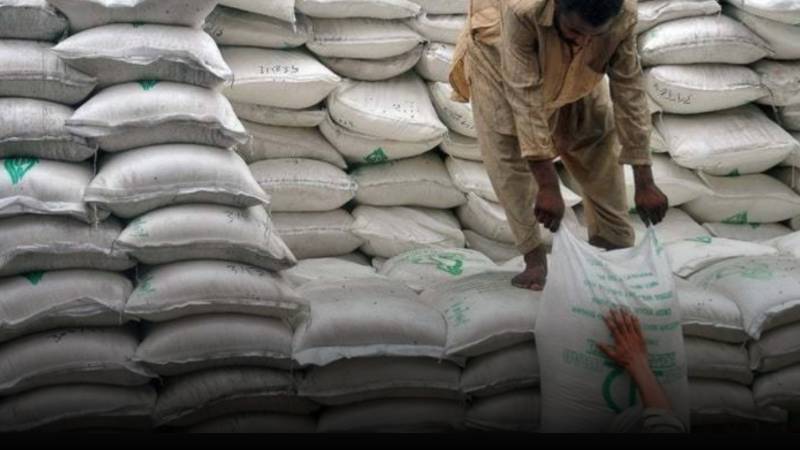
The International Monetary Fund (IMF) has reportedly issued a stern rebuke of Pakistan’s decision to import 500,000 metric tonnes of sugar tax free, terming it a clear violation of the 7 billion dollar loan programme’s conditions. This criticism, reported as sugar prices climbed to Rs200 per kilogram, underscores the contentious nature of a policy unveiled on 20 June 2025 by Deputy Prime Minister Ishaq Dar.
Publicly available information indicates that Deputy Prime Minister Ishaq Dar, who also holds the foreign affairs portfolio, led the decision making process for the sugar import. The 20 June announcement followed Dar’s second meeting on the issue in three days, attended by officials from the Ministry of National Food Security, the Federal Board of Revenue (FBR), the Federal Investigation Agency (FIA), the Ministry of Industries and Production, the Pakistan Sugar Mills Association (PSMA), and provincial representatives. Notably, the Finance Minister, Muhammad Aurangzeb, and the Commerce Minister, Jam Kamal Khan, were not involved in these meetings.
On 9 July 2025, the Economic Coordination Committee (ECC) was requested by the Ministry of National Food Security to formally approve the imports. However, the decision’s announcement and initial framing came directly from Dar, indicating his central role.
Several factors may explain why the Finance Minister and Commerce Minister were not prominently involved. As Deputy Prime Minister and a senior figure in the Pakistan Muslim League-Nawaz (PML-N), Ishaq Dar wields significant influence over economic policy, often overshadowing other ministers. His past tenure as Finance Minister (2013 to 2017) and current oversight of foreign affairs position him as a de facto economic decision maker, particularly on high-stakes issues like sugar imports. This may have led to a centralised approach, bypassing Aurangzeb’s formal portfolio.
The Commerce Ministry, led by Jam Kamal Khan, traditionally oversees export-import policies, including sugar trade. However, the decision to import followed significant domestic political pressure. The Ministry of National Food Security’s involvement, driven by domestic supply concerns, apparently sidelined Commerce, especially given the PSMA’s influence and the political nature of the decision.
With 50 percent of sugar mills owned by politicians, including PML-N affiliates, the policy may reflect internal party dynamics. Dar’s leadership could indicate a strategic move to manage the sugar mafia directly, avoiding potential conflicts with Aurangzeb or Khan, who might face pressure to align with IMF conditions or trade protocols over domestic interests.
A 12 July 2025 report estimated the cost of importing 500,000 tonnes at 275 to 280 million dollars, scaling to 400 to 420 million dollars for 750,000 tonnes
The plan to import 750,000 tonnes, comprising 250,000 tonnes of raw sugar and 500,000 tonnes of refined sugar, comes with an estimated cost of 400 to 420 million dollars at global rates of 550 to 560 dollars per tonne. The timing of allowing imports is very intriguing, also. If allowed, the imported sugar will arrive around the start of November, just at the right time to cause a crash in the procurement price for the fresh sugar cane crop yet again to the advantage of the mill owners. This import move follows the export of 765,734 tonnes between July 2024 and May 2025, which yielded Rs114 billion (approximately 408.6 million dollars at an exchange rate of 279 PKR to USD, or 533.63 dollars per tonne). Over the past 24 months, this export-import cycle has laid bare the sugar industry’s profound influence over national policy, raising serious questions about economic stewardship and the beneficiaries of these decisions.
The saga began in 2022, when Pakistan’s sugarcane fields produced a robust 7.8 million tonnes of sugar, surpassing the nation’s annual consumption of 6.7 million tonnes. This surplus, a significant achievement for an agricultural sector that employs over 40 percent of the workforce and contributes 4.2 percent to manufacturing, spurred exports to capitalise on favourable international prices. By mid-2023, however, the tide turned as shortages emerged, with prices nearly doubling and prompting an export ban in August to safeguard domestic supply. Yet, the 2024 to 2025 fiscal year saw exports resume, with 765,734 tonnes shipped out despite a projected production of 6.8 million tonnes against 6.7 million tonnes consumption, leaving a scant 100,000 tonne surplus. This over-exportation depleted reserves, pushing prices to Rs200 per kg, well above the Rs164 cap established in March 2025, and setting the stage for the current import initiative.
The financial toll is considerable. A 12 July 2025 report estimated the cost of importing 500,000 tonnes at 275 to 280 million dollars, scaling to 400 to 420 million dollars for 750,000 tonnes. To soften the economic blow, the government waived 53 percent of import duties, reducing the landed cost to Rs153 per kg, still Rs47 below the market rate. However, this tax exemption has drawn the IMF’s ire, clashing with loan conditions against preferential treatments and worsening Pakistan’s fiscal strain. The resulting losses, potentially exceeding Rs100 billion when factoring in price differentials, storage, and borrowing costs, weigh heavily on a population with per capita sugar consumption of 28 kg annually, amid inflation.
At the heart of this crisis lies the sugar industry, often dubbed the sugar mafia due to its entrenched political clout. With 50 percent of mills owned by politicians holding parliamentary seats, the sector wields significant leverage. The Pakistan Sugar Mills Association, previously flagged by the Competition Commission of Pakistan for cartel-like behaviour, appears to have profited handsomely during the export phase. Selling at a 33.63 to 103.63 dollar per tonne premium over the domestic baseline of 430 to 500 dollars per MT (based on an ex factory price of Rs120 to 140 per kg), mills leveraged production costs estimated at 400 dollars per tonne, reflecting yields of 46 tonnes per hectare and an 8.5 percent recovery rate compared to a global 10.5 percent, to net 133.63 dollars per tonne. This translates to a potential 102.3 million dollars in gross profit from the 765,734 tonnes exported, a figure bolstered by the absence of significant export duties.
The import phase further enriched their coffers. As shortages took hold, mills likely hoarded 100,000 to 200,000 tonnes of remaining stock, selling at Rs200 per kg for Rs24 to 48 billion (86 to 172 million dollars), compared to Rs15.3 to 30.6 billion (55 to 110 million dollars) at Rs153 per kg. This price gouge, 13 percent above export period caps, added tens of millions to revenues, while logistical delays in importing the 350,000 tonnes managed by the Trading Corporation of Pakistan extended their market control.
Over five years, industry profits are estimated to have grown 20 to 25 percent, a trend reinforced by minimal taxation. Export earnings remained largely untaxed, and import duties were waived despite IMF objections on 14 July 2025. The IMF’s intervention rejected the tax-free import as a food emergency measure, viewing it instead as a subsidy for millers. The 2024 export approval, granted despite supply warnings, and the subsequent import reversal suggest a calculated strategy to maximise gains, with global prices rising to 16.57 dollars per pound (36,534 dollars per MT) on 13 July 2025. This cycle likely netted the industry 100 to 150 million dollars, though smaller mills without political ties may have struggled with rising input costs.
Recent reports estimate a Rs114 billion financial scandal driven by speculation and illicit trade, further complicating the narrative. The government’s defence, that imports ensure affordability, weakens when mills profit at every juncture, with critics advocating for taxing windfall profits to recover revenue.
For citizens, the impact is severe, with inflation eroding purchasing power and the economy strained by borrowing. A 10 July 2025 report highlighted the government’s two-phase import plan to stabilise prices, yet the sugar mafia’s influence, evident in policy shifts, demands urgent scrutiny. As imported sugar begins to arrive, the challenge is to dismantle this cycle, prioritising stability over the short-term gains of the powerful.