

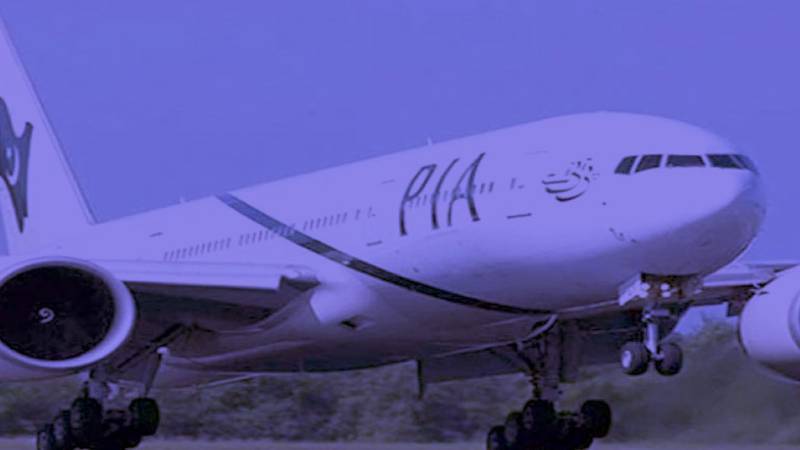
Pakistan International Airlines (PIA) has been in financial trouble for years, with debts reaching PKR 785 billion by 2023 and losses piling up. In 2024, though, they reported a profit of PKR 26.2 billion, which is a big deal after two decades of losses. But here's the catch: much of this profit came from the government taking on PKR 671 billion of PIA's debt, making it look better on paper rather than fixing underlying issues.
The government says this turnaround is thanks to reforms like cutting costs and focusing on profitable routes. However, critics argue it's more about moving debt around than real improvement, calling it an "accounting gimmick". PIA still has problems, like many planes grounded due to maintenance, and they lost PKR 112 billion in 2023, so it's not all smooth sailing.
The government wants to privatise PIA, but their 2024 attempt failed with a low bid of PKR 10 billion against a minimum of PKR 85 billion. There are some positives, like resuming EU flights in November 2024, which could boost revenue. Still, whether investors will bite given the ongoing challenges is up in the air.
Pakistan International Airlines (PIA) has been in financial trouble for years now—it’s no secret that things have been tough for them. By 2023, their debts had ballooned to PKR 785 billion—that’s about USD 2.81 billion—and their accumulated losses were PKR 713 billion. Just in the financial year 2022-23 alone, they lost PKR 86.5 billion (around USD 291 million), according to Pakistan’s Ministry of Aviation. So why has PIA been in such a mess? Well, a lot is going on—starting with heavy debt that’s been piling up over time. Interest payments alone have been eating into their resources big time. Then there’s the issue of their fleet: by late 2023, only 15 out of their 29 aircraft were flying because they couldn’t afford spare parts or proper maintenance. It’s like trying to run a business with half your tools broken—you’re just not going to get very far. On top of that, there’s been mismanagement and fraud—audits have uncovered billions lost due to things like inflated lease agreements and fake ticket refunds from as far back as 2007. Imagine finding out your company’s been leaking money through hidden loopholes for years!
Even with this recent financial “turnaround,” investors are still hesitant because they know there are deeper issues at play. It’s like trying to sell a car with a shaky engine—you might polish it up, but buyers can still tell something’s off
And let’s not forget the scandals: remember that fake pilot licence fiasco in 2020? That led to bans from flying to Europe and the US, which obviously hit their revenue hard. Then there was the crash of Flight 8303 in May 2020—that really damaged their reputation. So yeah, PIA’s been relying on government bailouts just to stay afloat—it’s been a rough ride.
But here’s where things get interesting—in early 2025, the government announced that PIA had made a profit in 2024 for the first time in 21 years. We’re talking PKR 26.2 billion in net profit here. That’s huge news after all those years of losses. The government was quick to take credit for this turnaround, saying it was all thanks to reforms like cutting costs and focusing on profitable routes. But hold on—there’s a catch. A big part of this profit actually came from something else entirely: the government took on most of PIA’s debt. We’re talking about PKR 671 billion worth of debt being transferred to public books. By doing this, PIA’s negative equity dropped from PKR 698 billion to just PKR 45 billion. So on paper, they look profitable now—but is that really sustainable?
Not everyone’s buying into this story. Critics are calling it an "accounting gimmick". And honestly? It’s hard not to see why. Sure, PIA looks better financially now because their debt’s been wiped clean—or at least moved elsewhere—but their day-to-day operations are still a mess. For example, many of their planes are still grounded due to maintenance issues and they need PKR 23.7 billion just to keep running for another five or six months. Plus, let’s not forget that in 2023 alone, they still lost PKR 112 billion. So while they might be profitable on paper now, it’s not like they’ve suddenly fixed everything overnight. It’s like putting a fresh coat of paint on a house with a crumbling foundation—it might look good from afar, but up close, there are still serious problems.
Now let’s talk about privatisation—because that’s where things get even trickier. The government’s been pushing hard to privatise PIA, but their first attempt in 2024 didn’t exactly go as planned. The only bid they got was for PKR 10 billion from Blue World City, which was way below the minimum price of PKR 85 billion they were asking for. So yeah, that didn’t work out. Even with this recent financial “turnaround,” investors are still hesitant because they know there are deeper issues at play. It’s like trying to sell a car with a shaky engine—you might polish it up, but buyers can still tell something’s off.
That said, there have been some positive developments worth mentioning. For one thing, PIA can now fly to Europe again after the EU lifted its ban in November 2024. That’s a big deal because those international routes can bring in a lot more revenue—it’s like reopening a major highway for business after it’s been closed for years. They’re also working on getting permission to fly back to the US, which could be another boost if it happens. On top of that, PIA has made some internal changes, like reducing staff numbers and focusing on routes that actually make money. These are steps in the right direction for sure; it’s like finally starting to clean up after a long period of neglect. But here’s the thing: none of this will matter unless they fix their fleet and maintenance issues. You can’t run an airline without planes that work—it’s as simple as that.
So where does all this leave us? Well, while PIA did report a profit in 2024, it’s mostly because the government took on their debt rather than actually improving how they operate. That means there are still plenty of challenges ahead, and whether privatisation will ever happen—or even work—is still up in the air.
It’s a classic case of "looks good on paper, but..."—PIA’s sudden 2024 profit has everyone talking, but is this a real turnaround or just financial sleight of hand? Sure, wiping away PKR 671 billion in debt gives the illusion of recovery, but let’s not confuse a band-aid for a cure.
So, what’s really going on here?Let me know if you'd like to refine it further!