

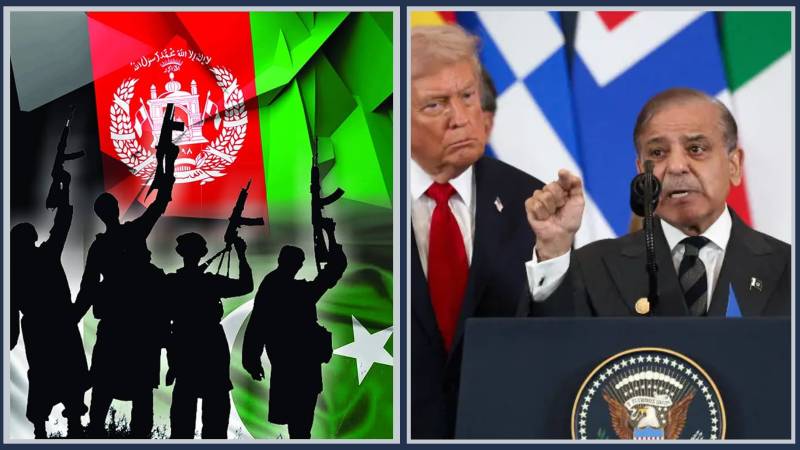
The photo from Sharm el-Sheikh told a familiar story. The Prime Minister thanked President Trump for his “role in ensuring peace” in Gaza. Pakistan, again, is maintaining stability abroad. The setting was calm, the message disciplined, a country rehearsing composure while its structure frays quietly at home.
The Afghan border is no longer a diplomatic irritant. The Taliban government in Kabul now sponsors cross-border violence openly, hosting, arming, and protecting the TTP. The attacks come in waves; the denials are routine. Islamabad calls it terrorism; Kabul calls it narrative. The frontier that once symbolised Pakistan’s influence now mirrors its vulnerability.
To the east, India has shifted from disengagement to design. Its outreach to the Afghan Taliban and quiet sympathy for separatists in Balochistan are no longer deniable. Delhi isn’t seeking confrontation; it’s cultivating attrition. The goal is simple: to keep Pakistan busy, to stretch it thin, to make drift its defining condition.
Inside, the system moves, but without coherence. The military still calls the shots, managing policy and pace alike. The civilians explain decisions that aren’t theirs, and the provinces operate on instinct. Everyone is doing their part; no one is steering. Pakistan remains governed, but only in the administrative sense — decisions taken, files moved, crises deferred.
Afghanistan exports instability, India amplifies it, the provinces interpret it, and the centre absorbs it
The confrontation in Muridke was a case study of that disorder. The operation against the TLP killed dozens, silencing the movement for now but not dismantling it. By morning, the narrative had shifted from bloodshed to stability, as though nothing had happened. The state has learnt to confuse order with aftermath. The TLP will return, because nothing about its cause, or the state’s dependence on managing it, has changed.
And then there is Khyber Pakhtunkhwa, the newest domestic front. The quiet removal of Ali Amin Gandapur and the elevation of Sohail Afridi as Chief Minister have cracked open a new space of tension. It isn’t just about personalities; it’s about control. The establishment wanted compliance; PTI wanted continuity. What it got instead is defiance layered in civility — the province resisting the centre, the party testing the state, and the military learning that political engineering carries diminishing returns.
For years, the system relied on the illusion that political management was stability by another name. But KP is showing what happens when the illusion fails. A province long tied to both the war on terror and the politics of resistance is now led by a government that owes its survival to neither Rawalpindi nor Islamabad. The message is clear enough: control is no longer a given, even when it’s claimed.
Every front now feeds the next. Afghanistan exports instability, India amplifies it, the provinces interpret it, and the centre absorbs it. The military still presides, but each assertion of authority feels narrower, each victory smaller. It isn’t loss of power; it’s loss of reach.
And yet, the image from Sharm el-Sheikh endures: the Prime Minister smiling, the flag framed, the promise of composure. Abroad, it still looks like coherence. At home, it feels more like endurance, a state holding itself together out of habit, not conviction. The machinery still turns, but without direction or belief. What remains is motion mistaken for stability, and survival mistaken for success.