

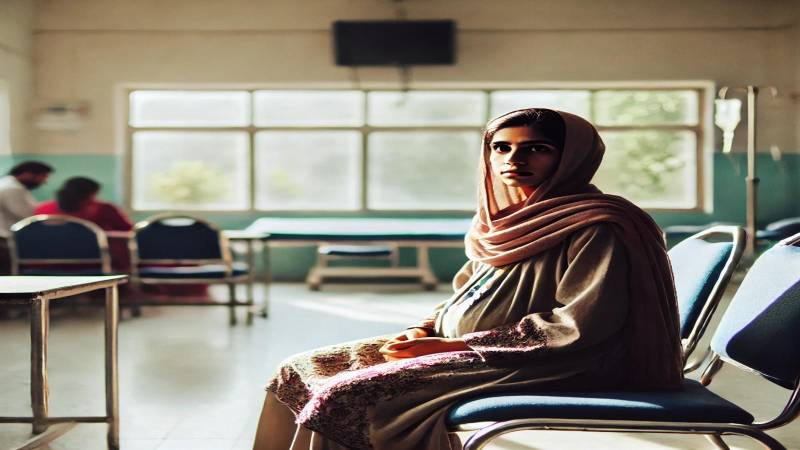
Think of a mother that you know in excruciating pain, knowing that there is something wrong with their pregnancy, but they have no way of reaching a hospital. Now imagine that even if they could get there, they might not be able to afford the care that they desperately need. For thousands of women across Pakistan, this is not a hypothetical scenario, it’s their reality.
Maternal mortality has been swept under the rug for far too many years. Pakistan has one of the highest rates of maternal mortality across all of South Asia coming in at 186 deaths per 100,000. Numerous reasons contribute to this, including poor healthcare infrastructure, lack of awareness, cultural barriers, and financial constraints. Most devastatingly, however, is the fact that most of these situations are preventable.
As a student in public health who works in maternal healthcare, I firmly believe that maternal health should be a national priority and not an afterthought. No woman should have to risk their own life while bringing another into the world. The women in Pakistan have failed at every step of the way to getting maternal care, and we, who work in the public health sector, need to stand together and provide these women with the proper support and care that they need.
Too many women, especially those in rural provinces like Baluchistan and Khyber Pakhtunkhwa, lack essential basic knowledge about pregnancy complications, which has led to a devastating maternal death rate of 298 and 165 deaths per 100,000 live births respectively. A major factor is low literacy rates in these provinces, women who cannot read or access information are naturally a lot less likely to recognise warning signs like severe bleeding, high fever, or convulsions. In most cases, when complications arise, women in these areas are compelled to use traditional birth attendants (dais) who, despite trying their best, are far from being medically trained to handle emergencies. Imagine the fear of encountering these symptoms and being unaware that they are potentially fatal. Imagine not knowing who to seek assistance from.
Maternal health is not just a woman's issue, it is a deeply rooted societal and national issue
Even when women can recognise warning signs, getting to a hospital or nearby clinic becomes an entirely new challenge. In rural Pakistan there is a scarcity of ambulances, as well as poor road conditions, and more often than not, many families do not have the financial means to arrange emergency transport. In these cases, delays are deadly.
The good news? We already know of multiple different approaches that work.
Countries like Sri Lanka, Bangladesh, and Nepal have effectively lowered maternal mortality rates through community-focused health programs, intensive midwifery education, and easily reachable healthcare options.
Government and NGOs must implement culturally sensitive education programs in local languages like Pashto, Sindhi, and Balochi, and integrate the woman's husband and mother-in-laws, and what they can do to help. There is also a dire need for emergency transport funds and networks, and local governments should subsidise transport costs for pregnant women in high-risk areas. Community members can also implement rideshare programs or have designated emergency drivers across the neighborhood. Lastly, because so many women depend on emergency help, strengthening the role of midwives and training traditional birth attendants to recognise emergencies and refer women to hospitals can immensely bridge the gap between a woman and having access to a healthcare professional.
Maternal health is not just a woman's issue, it is a deeply rooted societal and national issue. When a mother dies, her children are significantly more likely to suffer from malnutrition, poor health, and lack of Education. The cycle of poverty and health will continue unless we decide to tackle it now.
If we want to see a prosperous, healthier, and stronger Pakistan, we must demand action from not only policy makers and healthcare providers but also from our communities to change the perspective on women's health. Women's lives should not depend on their socioeconomic status, chance, or geography. Investing in maternal health today will help save thousands of lives in the future.