

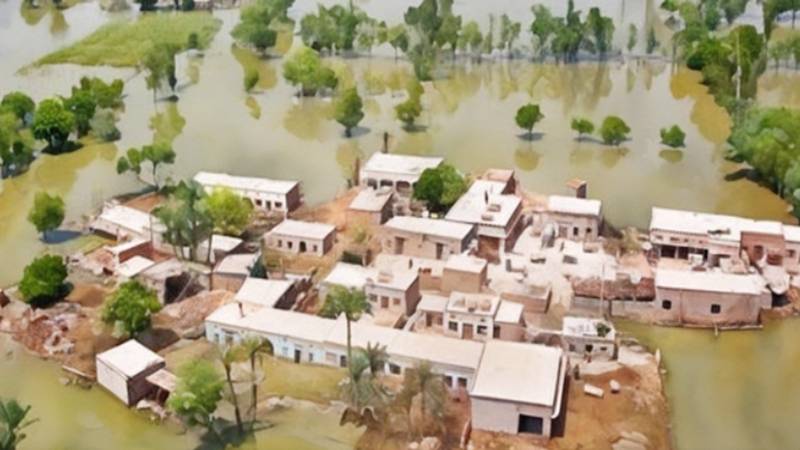
Every year, as the monsoon swells rivers and drains, we vow to plan better. Then the water recedes, cameras move on, and budgets fall back into habit: generous after the damage, frugal before it. In Pakistan, 8 October is National Resilience Day recalling the 2005 earthquake; five days later, on 13 October 2025, the UN observes the International Day for Disaster Risk Reduction with the theme “Fund Resilience, Not Disaster.” Same lesson. UN assessments put direct disaster losses at US$202 billion a year, with costs, including lost productivity, disruptions and ecosystem damage, over US$2-Plus trillion. Budgets favour response over resilience.
Pakistan’s balance sheet is plain: the 2022 floods brought US$14.9 billion in damages and US$15.2 billion in losses, and rebuilding resiliently would cost at least US$16.3 billion, according to the government led Post Disaster Needs Assessment. These are not abstract: washed out roads cut off markets, schools become shelters, clinics close when power fails, and thousands of small enterprises never reopen, a bill we will service for years. Recent monsoons show thin buffers; totals are debated, the pattern is familiar: warnings are late or unevenly acted on, embankments kept in districts, neglected in others, evacuation routes bottleneck, anticipatory action or relief begins after households exhaust coping strategies, and a supplementary budget arrives when the poorest can least afford to wait.
Against these losses, our financial architecture for risk still looks improvised. The federal Budget in Brief captures trillions of rupees in spending priorities, yet prevention is scattered across irrigation, housing, health and local government, with no consolidated public view of how much is allocated to risk reduction and how much is actually spent. The National Disaster Management Authority’s recent reporting shows progress in systems, including better hazard monitoring, more structured planning and more technology on the desk. Capability without predictable and protected finance, however, does not turn a forecast into fewer funerals, and it does not turn a needs assessment into a shorter recovery.
The economics for changing course are not speculative. The World Bank’s work on resilient infrastructure finds that each dollar invested in making assets resilient in low and middle income countries yields roughly four dollars in avoided losses and service continuity over the life of the asset. The logic is simple. A culvert sized for yesterday’s rainfall fails tomorrow, while one designed for tomorrow’s rainfall keeps the road open, the clinic reachable and the market supplied. Early warning pays off only if it triggers early action. Global analyses show that even 24 hours of notice can cut damage by about 30 per cent when alerts unlock transport, cash, shelters and pre-positioned supplies. These are the low hanging fruit of adaptation.
The provinces offer a candid snapshot of what must change. Punjab’s disaster authority lists core allocations that are necessary to run an agency but small beside the cost of even a middling flood season. The task is not to inflate overheads but to move a larger share of the development programme into risk proofing daily assets, including drainage upgrades, rural roads that stay serviceable under heavier rains, and slope stabilisation where hill torrents undercut embankments. When basics fail less often, the relief bill shrinks. Sindh shows a parallel story of steady effort and major projects, some with international financing, to strengthen institutions and harden infrastructure. The lesson of the last three years is clear. Resilience cannot be a side project. It must be a design standard, enforced in procurement and monitored in delivery. Allocation matters, but utilisation matters more.
What would a budget that funds resilience, not disasters, look like. First, it would be transparent about the numbers. Pakistan needs a national DRR tag across federal and provincial books, applied to both development and recurrent lines, so citizens and Parliament can see whether prevention is gaining or losing ground. The tag should cover not only classic disaster functions but every ministry and department whose assets fail under stress, including roads, power, water, health, education and housing. Without a tag, resilience is the easiest cut. With one, it becomes a visible commitment. The costs we fail to count are the ones that keep tipping vulnerable countries into debt and stalling growth.
Second, we should publish and debate a simple ratio, reactive versus proactive rupees. Use the 2022 assessment as the baseline of what reactive spending really costs, more than US$30 billion in combined losses and damages. Then set a medium term, rising target for the share of the federal PSDP and provincial development programmes that is verifiably risk informed. If that share is not climbing, we are not learning. If it is climbing but projects keep slipping, then the problem is less finance and more delivery. Either way, the ratio will discipline our rhetoric.
Third, we should accept that some shocks will outrun our defences and buy insurance against the worst of them. A sovereign disaster risk financing layer that combines a contingency fund, contingent credit lines and parametric insurance would stop the Treasury from improvising after every season and would protect development spending from being repeatedly cannibalised. Pakistan has discussed these instruments for years. The case for moving from papers to premiums grows stronger after every monsoon.
Finally, resilience must be local to work. The national early warning effort only pays off if districts have boats and buses fuelled, union councils clear drains before the first big system, shelters are stocked and signposted, and cash transfers are pre-approved and triggered by thresholds. Make it the norm that from early April each year, well before the pre monsoon and the monsoon in June or July, these tasks move from paper to practice: drain desilting, repair of weak embankments, checks of culverts and outfalls, servicing of equipment, pre-positioning of relief stocks and medicines, testing of evacuation routes, and community drills, with budget releases front loaded so procurement of pumps and boats is completed in time. Provincial governments should back this with small, flexible grants tied to verifiable local deliverables and published progress. When local governments move early, national strategy becomes household safety.
A fairness question no budget can answer: Pakistan emits under 1pc of greenhouse gases yet bears climate-amplified blows, and climate finance will not be settled in one meeting. Spend as data demands: build for the rains we get; design roads, culverts, schools and clinics to fail less and for shorter; invest in warnings that trigger action, not alerts. Reconstruction debt is not an avoided loss: first pays interest, second saves lives. Show our work: tag rupees, publish a reactive to proactive ratio, map projects and disclose utilisation. Resilience is cheaper; water will rise again, so spending must rise ahead.