

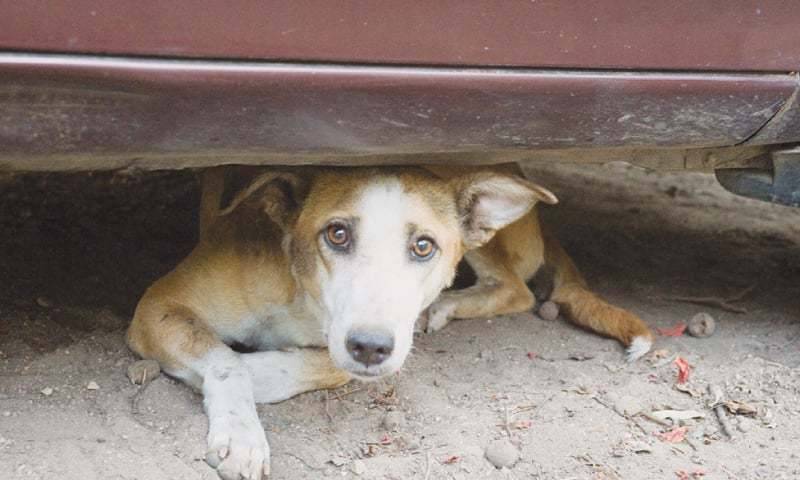
Democracy is often associated with the welfare of the state, the protection of rights, and sustainable governance. In true democratic societies, the state not only safeguards human rights but also extends its responsibilities to the well-being of the entire ecosystem, including animals. A core principle guiding democratic governance is John Stuart Mill’s harm principle, which ensures maximum rights for all living beings while restricting actions that cause harm to others. In countries like Canada, a model democracy, citizens demonstrate civic responsibility and compassion, even towards stray animals, treating them with empathy and care. This reflects the ethical consciousness nurtured by democratic values—something that remains absent in many hybrid democracies.
On the contrary, Pakistan, a hybrid democracy plagued by corruption, has long practiced the brutal culling of stray dogs in the name of governance. The right to life is a fundamental and natural right of all living beings, yet this right is constantly violated in Pakistan, particularly concerning stray animals. Disturbingly, there is little public outcry against this cruelty, exposing a deep-seated apathy ingrained by illiteracy and a lack of awareness. If such mass culling occurred in a strong democratic state, citizens would have protested on a large scale, demanding humane alternatives. However, Pakistan’s parochial political and social culture discourages critical thinking, as opposed to the rationalist philosophy of René Descartes, which promotes questioning and intellectual development. Consequently, many people tacitly support the culling of innocent, voiceless creatures.
Pakistan ranks among the worst performers in animal welfare and is categorised as “E” under the Animal Protection Index (API), highlighting its failure to safeguard wildlife. Reports from the Organisation for the Protection of Animals (OIPA) reveal that over 50,000 stray dogs are slaughtered or poisoned annually on official orders. Additionally, due to a lack of healthcare and state negligence, countless dogs die from rabies. These facts underscore the failure of Pakistan’s legislation to promote animal welfare in any meaningful way.
The indiscriminate killing of innocent animals does not serve the country in any meaningful way; rather, it exposes governance failures and institutional weaknesses
The implications of such brutality extend beyond the suffering of animals. Normalising violence against stray dogs fosters desensitisation and callousness among citizens, contributing to a broader culture of violence and indifference. When cruelty is tolerated, it perpetuates a cycle of aggression, ultimately corroding the moral fabric of society. Weak governance and institutional decay further exacerbate the situation, making it increasingly difficult to foster a humane and ethical society.
Animal welfare organisations, however, have the potential to transform public attitudes and influence governance. NGOs can lead mass vaccination programs to control the spread of rabies, thereby protecting both communities and stray animals. The implementation of Catch-Neuter-Vaccinate-Return (CNVR) programs, as successfully practiced in countries like the Netherlands, provides an effective and humane alternative to culling. Spaying and neutering initiatives can also help regulate the stray population over time. Furthermore, NGOs can promote education and awareness campaigns, fostering civic responsibility and encouraging compassionate behavior toward animals. Collaborative efforts between NGOs, government institutions, and veterinary experts can pave the way for effective legislation that addresses stray animal welfare without resorting to inhumane measures.
A compelling example is Four Paws, a European NGO that has pioneered vaccination mechanisms to prevent rabies and other diseases while leveraging technology to control stray populations. Moreover, the organisation has successfully trained stray dogs to assist visually impaired individuals, demonstrating how these animals can be integrated into society rather than exterminated.
Pakistan stands at a crossroads. The indiscriminate killing of innocent animals does not serve the country in any meaningful way; rather, it exposes governance failures and institutional weaknesses. If Pakistan aspires to uphold democratic values, it must move beyond outdated and brutal practices, embracing humane and sustainable solutions that respect all forms of life. A nation’s true progress is reflected not only in its treatment of its people but also in how it protects the most vulnerable beings within its society. Only by fostering compassion and ethical responsibility can Pakistan claim to be a democracy in the truest sense.