

The global economic landscape is undergoing a profound transformation. The post-pandemic era, marked by digital acceleration, shifting supply chains, and a growing emphasis on sustainable development, presents both challenges and unprecedented opportunities. For nations at a strategic crossroads like Pakistan, this new epoch demands more than incremental adjustments. It calls for a bold, comprehensive, and people-centric reimagining of national economic policy. The traditional focus on balancing imports and exports, while crucial, is no longer sufficient. To achieve sustainable stability and unlock its vast potential, Pakistan must architect a new social and economic contract that simultaneously stabilises its finances, modernises its trade, and invests deeply in the welfare of its citizens.
The immediate priority remains macroeconomic stabilisation—a familiar but formidable challenge. Years of boom-and-bust cycles, fuelled by fiscal imprudence and external account pressures, have created a climate of uncertainty. Persistent high inflation erodes the purchasing power of ordinary families, while a significant debt burden constrains public spending. The path forward requires unwavering fiscal discipline, not through blunt austerity measures that disproportionately harm the vulnerable, but through intelligent reforms. This includes broadening the tax base by bringing untaxed and under-taxed sectors into the formal economy, enhancing the efficiency of state-owned enterprises, and ensuring transparent and prudent public expenditure. On the monetary front, a consistently independent central bank, empowered to target inflation, is fundamental to anchoring economic expectations and fostering a predictable environment for investment. This foundation of stability is not an end in itself; it is the essential launchpad for more ambitious, long-term growth.
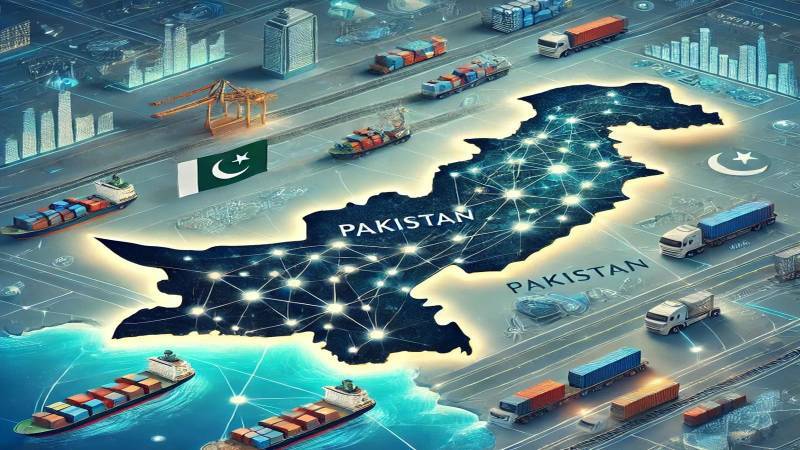
Beyond stabilisation, Pakistan must fundamentally rethink its engagement with the global economy. For too long, its export basket has been heavily concentrated in a few traditional sectors, primarily textiles, and geared towards a limited number of markets. In an age of global value chains (GVCs) and a burgeoning services economy, this model is precarious. The new trade policy must be one of aggressive diversification. This means strategically nurturing high-potential sectors where Pakistan has a latent comparative advantage. The nation's burgeoning youth population and tech talent pool are ripe for a services-led export boom in IT, software development, and business process outsourcing. Similarly, there is immense potential in pharmaceuticals, light engineering, and high-value-added agricultural products.
Expanding affordable, high-speed internet access to all corners of the country is the modern equivalent of building roads and bridges
This diversification of products must be matched by a diversification of markets. While maintaining strong ties with traditional partners, a concerted diplomatic and commercial push towards emerging markets in Africa, Southeast Asia, and Central Asia could unlock new avenues for growth. Critically, this requires dismantling internal barriers. Streamlining regulations, simplifying customs procedures, and creating a one-window facility for investors and exporters are not mere conveniences but imperatives for integrating Pakistan into the intricate web of GVCs. The goal should shift from simply exporting finished goods to becoming an indispensable part of a global manufacturing and service network.
However, the most critical pillar of this new economic architecture—and the one that will determine its ultimate success—is an unwavering commitment to human development and social welfare. An economy cannot be considered healthy if a significant portion of its population is left behind. Investing in people is the most potent economic strategy of all. This begins with a radical overhaul of the education system to foster critical thinking, digital literacy, and vocational skills aligned with the demands of the modern economy. A healthy and educated workforce is a productive and innovative one.
Furthermore, strengthening the social safety net is not a matter of charity but of building national resilience. Programmes like the Benazir Income Support Programme (BISP) have made strides, but they must be expanded and made more dynamic, offering pathways out of poverty through skills training and access to microfinance. Universal healthcare access is another cornerstone. A healthy populace is less susceptible to economic shocks and more capable of contributing to national progress. Addressing food security through sustainable agricultural practices and ensuring affordable housing are equally vital components of a dignified life for every citizen. By viewing these expenditures as investments in human capital, Pakistan can turn its demographic youth bulge from a potential liability into its greatest asset—a demographic dividend that powers decades of growth.
Finally, this entire framework must be underpinned by two non-negotiable imperatives: digital transformation and green transition. Expanding affordable, high-speed internet access to all corners of the country is the modern equivalent of building roads and bridges. It is the essential infrastructure for e-commerce, remote work, digital education, and transparent e-governance. Simultaneously, as a country acutely vulnerable to climate change, Pakistan has a vested interest in embracing the green economy. Investing in renewable energy, promoting climate-smart agriculture, and improving water management will not only build resilience but also attract international climate finance and open up new green industries and jobs.
The path forward for Pakistan is challenging but clear. It requires moving beyond a reactive, crisis-management approach to a proactive, strategic vision for the future. The pillars of fiscal stability, modernised trade, and robust social welfare are not mutually exclusive; they are deeply interconnected and mutually reinforcing. A stable economy provides the resources to invest in people, while a skilled and healthy population drives the innovation needed for a competitive trade profile. This holistic realignment will demand political courage, policy continuity that transcends electoral cycles, and a national consensus built on the shared goal of a prosperous, equitable, and resilient Pakistan. The journey is arduous, but by placing the well-being of its people at the heart of its economic strategy, Pakistan can confidently navigate the complexities of the new global era and secure its rightful place as a stable and thriving nation.