

The recent tensions between Pakistan and Afghanistan have created immense hardships for the people of the two states. The trade between the two Islamic countries has almost come to a halt, affecting thousands of traders on either side of the border, besides depriving millions of people of opportunities to buy fruits, vegetables and other commodities at reasonable prices. This is especially creating alienation among the people of KP who have had close trade and cultural ties with their Afghan brothers.
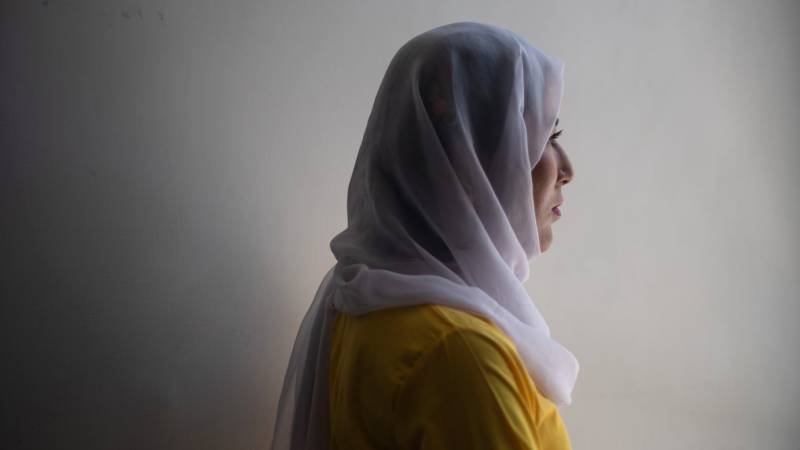
But beyond the debate of trade and cultural ties is the plight of thousands of Afghan activists and people who have previously worked for NATO or run independent bodies for education, art, music, human rights and democracy. When the Taliban captured Kabul a few years ago, a large number of such activists, including female human rights defenders and civil society members, sought shelter in Pakistan. Many of these were promised to be settled in America, Germany, the UK and other Western countries.
These activists are considered enemies and traitors by the Afghan Taliban, who want to teach them a tough lesson. The holy warriors are especially hostile towards female activists because, in their view, such women are not only traitors, but they are also a blot on the Islamic identity of the country. Many of these women protested the brutalities of the Afghan Taliban after their ascendance to power. They took out processions against the gender apartheid that the medieval-minded, turban-wearing ‘pious soldiers’ have imposed.
Some of them were taken into custody by the Afghan Taliban and meted out inhuman treatment. They were tortured and harassed, while their relatives also faced terrible consequences. Despite all that, they continued raising their voices for women of the war-torn country, informing female activists all over the world about the open-air prison where they were being treated like animals. It was because of these activists and many others who are living abroad that the international community learnt about the scale of the Taliban's oppression against women.
Policy makers in Islamabad know very well that these are anti-Taliban women who would definitely be eliminated if they were deported to the so-called Islamic Emirates. Despite all this, authorities in Islamabad do not seem to be making any exception for these persecuted women who have been waiting for Western countries to issue visas for them. The reckless policies of American President Donald Trump and anti-immigrant hysteria in parts of Europe have also added to their woes. Some terrorist incidents involving Afghan nationals attacking Western people have also created a mountain of hardship and uncertainty for them.
Some international NGOs have already helped at least 160 female activists and their families leave Pakistan safely. At least 40 female activists and their families are yet to be taken abroad
Indeed, Pakistan cannot force Western countries to issue visas to these women, nor can Islamabad play any role in containing the collective insanity that is unfolding in several Western cities against immigration and immigrants. Islamabad is not in a position to extend any financial assistance to these Afghans or the female activists. However, a little change in its policy could turn out to be a blessing for these hapless women who face a mortal risk to their lives upon their return to Afghanistan. Pakistan has indeed been waiting patiently for the issuance of visas and extended deadlines multiple times, but because of policy issues in Western countries, many Afghans could not get the visas. These Afghans, especially the female activists, have caused no harm to Pakistan. They have not worked against Pakistan's interests. Unlike religious-minded or pro-Taliban Afghans, they pose no threat to the national security of Pakistan.
They are opposed to the Taliban’s rule, like Pakistan. They are also vehemently opposing terrorism that has affected both Pakistan and Afghanistan. They abhor the very ideology of the Afghan and Pakistani Taliban. For them, both are a recipe for disaster because both militant groups believe in a conservative interpretation of religion and both want to promote gender apartheid. While the Afghan Taliban shut down many female educational institutes, their ideological brothers bombed many girls’ schools in Pakistan.
Pakistani women's rights groups must take the lead in highlighting the plight of these women on all platforms. Pakistani female parliamentarians have a special responsibility to take up the issue with the interior ministry. The human rights ministry and the National Commission on Human Rights should also pay heed to the plight of these female activists, contacting authorities and requesting them to grant exceptions to these women.
Some international NGOs have already helped at least 160 female activists and their families leave Pakistan safely. At least 40 female activists and their families are yet to be taken abroad. These women are waiting for their visas to be issued by Western governments. But given the political storm in the US and other Western countries, it seems such issuance might be delayed.
Pakistan did allow time for some of these women, but it was not enough. Therefore, Islamabad, which is a signatory to various international covenants on human rights and subscribes to the spirit of the Universal Declaration of Human Rights, should help these women activists on humanitarian grounds, permitting them to stay in the country until their visas are issued.
These women are likely to speak at international forums, exposing the brutalities of the Afghan Taliban. They are the ones who might be instrumental in unmasking the gender apartheid of the Afghan Taliban. If Pakistan does a favour to them by not deporting them back to Afghanistan, which is a death pit for them, they will definitely remember this favour of the Islamic Republic. Therefore, Islamabad must protect the lives of these women by permitting them to stay in the country until their visas are issued.