

In Part 1, we explored Pakistan’s institutional gaps in disaster response. Now, we look at how a country like Nepal is getting it right — and what Pakistan can learn.
Solution – low-cost community models from Nepal that Pakistan can adapt.
The monsoon brings more than just rain — it brings dread. In Pakistan’s remote valleys, communities live under the shadow of landslides and flash floods, often with no timely warning. In contrast, Nepal has found a simple, low-cost way to bridge that gap: a network of rain gauges and trained local volunteers that triggers village-level alerts. These aren’t high-end technologies; they’re plastic funnels and community trust. The question isn’t whether Pakistan can afford such a system — it’s whether we’re willing to commit to it. This isn’t about blaming PMD or NDMA. It’s about recognising that the difference between disaster and preparedness lies not in budgets, but in priorities.
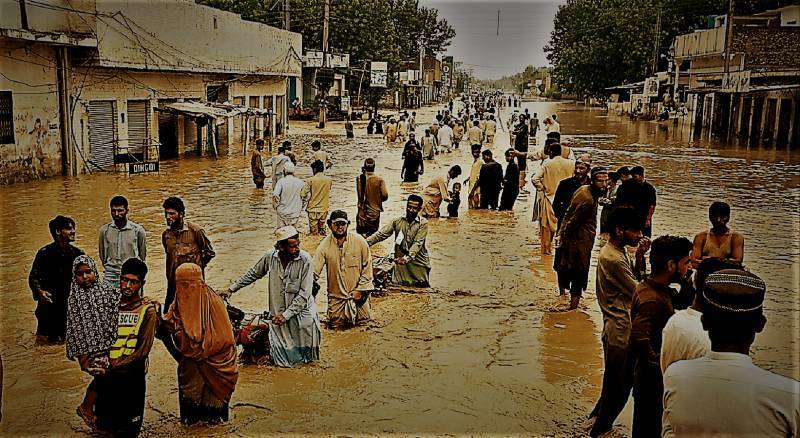
Take the recent Babusar tragedy, where a sudden cloudburst unleashed a torrent of water and debris, sweeping away the family of Dr Saad Islam, including two doctors. Torrential rains had saturated the steep slopes, triggering landslides that turned the road into a deadly river of boulders and mud. This tragic incident is a textbook case of flash floods and unstable slopes acting together. Yet we still treat them as separate threats. These were not unforeseeable “acts of God” — they were failures in planning, preparation, and public warning.
Every year, the cycle repeats: sudden rain, panicked rescue efforts, and vague statements about “unprecedented weather.” Yes, authorities did issue advisories, but a blanket forecast for an entire district does not save lives. There were no localised warnings, no real-time slope data, and no way for villagers, tourists, or drivers to know when to flee or where to take shelter. In Babusar, there was no mention of a landslide threat, just as DHA Islamabad’s deadly flooding stemmed from poor urban planning, not rainfall alone.
Can Unstable Slopes Be Predicted?
Yes — if there is political will. Around the world, early warning systems use inclinometers to detect minute soil movements, combined with rain gauges and satellite data to monitor slope stability. The required technology is simple, and sensors are affordable. But tech alone is not enough. For alerts to work, we also need sirens, SMS warnings, and local trust.
A Lesson from Nepal
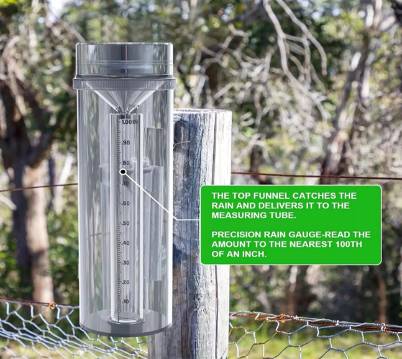
Nepal, with its steep, rain-prone slopes, faced similar disasters until it launched a community-based landslide early warning system. What makes Nepal’s model effective is not its budget but its design: local volunteers are trained to monitor rainfall thresholds using cheap, often handmade gauges. These are installed at known risk zones, based on geological mapping.
Pakistan doesn’t lack the knowledge or tools; it lacks commitment
Once rainfall crosses a danger threshold — say, 50mm in an hour — villagers check the gauges, trigger sirens, and alert neighbours. Simple tools, community trust, and backup from national agencies have made a life-saving difference. In 2018, in one village in Kaski, 495 people evacuated in time, and no one died. Before this system, Nepal saw up to 200 landslide deaths annually. In areas with early warning systems, fatalities have plummeted.
The Cost of Inaction
Pakistan has seen this play out before. The 2010 Attabad landslide, which killed 20 and created a massive lake, should have been a wake-up call. Donor-driven projects like the $60 million GLOF early warning system brought some progress — but only in select regions. Since then, we've faced Murree’s 2021 snow disaster, Swat’s 2022 floods, and this July’s Hunza landslide — yet still treat each as a surprise.
These disparities stem partly from unequal funding — but also from unequal priority. While KP, Punjab, and Sindh face annual floods, Balochistan’s are deadlier but more sporadic, receiving less attention and investment.
A Smarter Way Forward
Nepal’s sensors are cheaper than the standard meteorological equipment typically procured or installed by Pakistan’s federal agencies like PMD or NDMA. Training young villagers is far less costly than rebuilding washed-out highways. Decentralising forecasting can create local jobs, build resilience, and empower communities — especially in remote or hazard-prone areas.
This isn’t just about landslides. Local monitoring teams can prevent forest fires, track water sources, and lead environmental education workshops. Instead of waiting for foreign aid, this is a chance to build indigenous expertise and dignity.
The PMD and NDMA might already know about Nepal’s early warning system. But the public deserves to know that a cheaper, community-based solution exists — and if it works in Nepal, it can work in Pakistan too. The only catch is that it demands more than paperwork: it requires officials to step out of their comfortable urban offices, travel to rugged mountains and remote valleys, identify local hotspots, and maintain regular coordination with village volunteers — especially during the monsoon. What we lack isn’t technology. It’s commitment.
Pakistan doesn’t lack the knowledge or tools; it lacks commitment. Until we accept that unstable slopes and flash floods can be tracked — just as Nepal shows — we will keep burying our people under mud, stone, and excuses.