

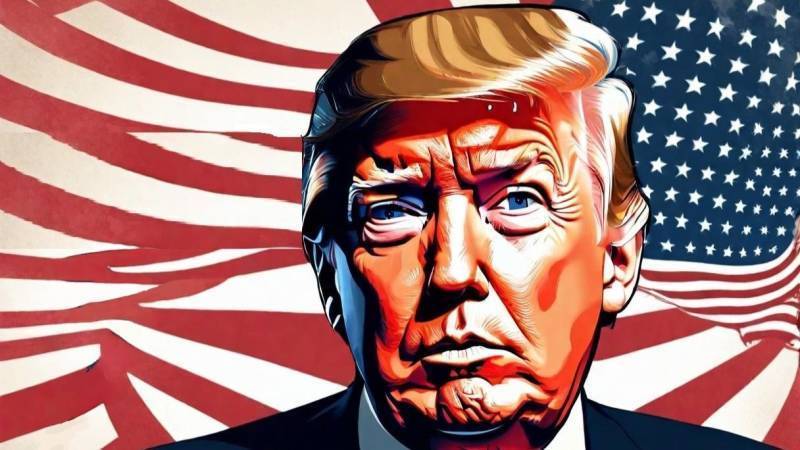
President Donald Trump, often regarded as a non-traditional and unpredictable political figure, has played a significant role in global diplomacy, striving to mediate conflicts and promote peace. Despite the controversies surrounding his leadership, he has actively pursued diplomatic initiatives aimed at reducing tensions and fostering ceasefires in various regions. His involvement in the Ukraine-Russia conflict has been particularly noteworthy, as he has sought ways to broker a ceasefire and encourage constructive dialogue between the two countries. By engaging in direct discussions and exploring potential resolutions, Trump has positioned himself as a mediator in one of the most pressing geopolitical crises of recent times.
In addition to his efforts in Eastern Europe, Trump has also initiated discussions with Palestinian leaders, including Hamas. His diplomatic outreach recently resulted in the release of the last U.S.-Israeli citizen held by the group, an event that notably occurred without Israel’s direct involvement. While the specifics of the negotiations remain undisclosed, it is widely believed that Hamas received certain guarantees in return. This development underscores Trump's willingness to engage with various stakeholders, even those traditionally viewed as adversaries, in pursuit of diplomatic breakthroughs.
Beyond the Middle East, Trump has attempted to establish communication with Iran, engaging its leadership in discussions to explore potential diplomatic solutions. His approach to Iran has been marked by a combination of pressure and negotiation, reflecting his broader strategy of leveraging economic and political influence to achieve diplomatic objectives. While his engagement with Iran has been met with skepticism, it highlights his willingness to explore unconventional avenues for conflict resolution. He warned Israel to not to attack Iran so that an agreement can be reached.
Whether through direct negotiations with adversarial groups or the establishment of aid centers in conflict zones, his actions reflect a willingness to explore diverse strategies for achieving peace and stability
Trump’s role in de-escalating tensions between India and Pakistan has also been significant. These two nations, historically at odds, have experienced heightened tensions in recent years, exacerbated by political rhetoric and media-driven narratives. Trump’s intervention helped prevent a full-scale war, particularly in light of India’s intensified war rhetoric. His diplomatic efforts served as a stabilising force, demonstrating the importance of proactive mediation in volatile geopolitical landscapes.
These developments serve as a wake-up call for the United States, emphasising the need for a diversified foreign policy approach rather than focusing solely on countering China with the help of India. Trump's diplomatic maneuvers highlight the importance of engaging multiple global players to maintain stability and peace. As the geopolitical landscape continues to evolve, the U.S. must recognise the value of fostering relationships with a broad spectrum of nations, including Pakistan, to ensure a balanced and effective foreign policy.
A recent example of the U.S.'s evolving approach to international aid and diplomacy is the establishment of new humanitarian aid centers in Gaza. The Gaza Humanitarian Foundation (GHF), a U.S.-backed organisation, has taken over food distribution operations in the region, aiming to provide essential supplies to Palestinians facing severe shortages. The initiative comes in response to the ongoing humanitarian crisis exacerbated by Israel’s blockade, which has left millions in Gaza struggling to access basic necessities.
The newly opened aid centers have faced significant challenges, including overwhelming demand and logistical hurdles. Thousands of desperate Palestinians have rushed to these distribution hubs, leading to chaotic scenes where fences were broken and warning shots were fired by Israeli troops. Despite these difficulties, the centers have managed to distribute thousands of food boxes, providing much-needed relief to the population. The initiative reflects a shift in U.S. policy, emphasising direct humanitarian assistance while navigating complex geopolitical dynamics.
However, the establishment of these aid centers has not been without controversy. The United Nations and other humanitarian organisations have expressed concerns about the effectiveness of the new system, arguing that it may not adequately meet the needs of Gaza’s 2.3 million residents. Critics have also raised questions about the role of private security firms in overseeing aid distribution and the broader implications of bypassing traditional humanitarian channels.
Trump’s diplomatic efforts, combined with the U.S.'s evolving approach to humanitarian aid, underscore the complexities of global conflict resolution. While his unconventional methods have sparked debate, they have also led to tangible outcomes, including ceasefires, prisoner releases, and humanitarian initiatives. As the world continues to grapple with geopolitical tensions, the importance of strategic diplomacy and humanitarian engagement remains paramount.
Ultimately, Trump's approach to international relations highlights the need for adaptability and pragmatism in foreign policy. Whether through direct negotiations with adversarial groups or the establishment of aid centers in conflict zones, his actions reflect a willingness to explore diverse strategies for achieving peace and stability. As the global landscape continues to shift, the lessons learned from these diplomatic efforts will shape future approaches to conflict resolution and international cooperation.