

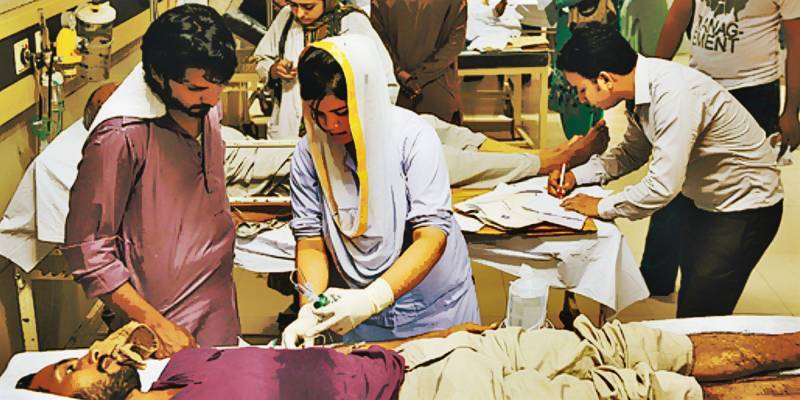
Let's be honest - we've all been there. Sitting in that cramped clinic, clutching a prescription that might as well be written in hieroglyphics, while the doctor's already moved on to the next patient. It's frustrating, it's scary, and worst of all - it's become completely normal in Pakistan.
The numbers tell one story - like how 60% of private hospital births end in C-sections when medical experts say it should be closer to 15%. But the real story? That's in the exhausted faces of new mothers recovering from unnecessary surgery, or the drained bank accounts of families who just wanted a safe delivery.
What's really going on here? Well, it's complicated - but also painfully simple. Doctors are human too, and they're stuck in a system that rewards quick fixes over proper care. Imagine trying to solve a complex puzzle when you've got five minutes and someone's breathing down your neck. That's basically what our healthcare workers face every single day.
The antibiotic crisis perfectly illustrates how this plays out. We've all done it - gone to the doctor with a cold and walked out with a course of antibiotics. It feels like getting "real" treatment, but in reality, it's like using a flamethrower to kill a housefly. The scary part? This casual overprescribing has created superbugs that don't respond to anything anymore. And honestly, that should terrify all of us.
Healthcare shouldn't be a guessing game - it should be about giving people the knowledge and care they need to live healthy lives
Private hospitals have turned this into something of an art form. There's a reason certain facility have C-section rates that would make medical textbooks blush - it's simple economics. A natural delivery might take 12 hours of staff time, while a scheduled surgery takes two and brings in three times the revenue. Meanwhile, traditional midwives - the ones our grandmothers trusted - are being pushed out because they don't fit this profit-driven model.
But before we demonise all doctors, let's remember the other side of this coin. Government hospital physicians are drowning in patient loads that would make anyone crack. Picture trying to give quality care when you've got 100 people waiting and management breathing down your neck about "throughput." It's no wonder so many consultations feel rushed - they literally are.
The human cost of all this hits home when you hear stories like Farida's. Three different doctors dismissed her chronic pain as "stress" before someone finally ordered the tests that revealed advanced endometriosis. By then, the damage was done. What gets me is how common her story is - we all know someone who's been misdiagnosed or undertreated.
Here's the thing though - we're not powerless. Small actions can make a difference:
- Asking "What exactly is causing this?" before accepting any prescription
- Demanding clear explanations in language we actually understand
- Supporting healthcare workers who take the time to do things right
At its core, this isn't just about medicine - it's about respect. Respect for patients' right to understand their own bodies. Respect for doctors' time and expertise. Respect for the truth, even when it's complicated or inconvenient.
The road to fixing this will be long, but every time someone refuses to accept a vague prescription or questions an unnecessary procedure, we're taking a small step forward. Because at the end of the day, healthcare shouldn't be a guessing game - it should be about giving people the knowledge and care they need to live healthy lives. And really, isn't that what we all deserve?