

Years before the first case of COVID-19 emerged—ushering in widespread panic and destruction—there was the Ebola outbreak in one of the most resource-strapped and historically neglected continents: Africa. While it didn’t claim as many lives as COVID-19, the mortality rate among those infected was significantly higher. At the time, public health researchers highlighted urgent reforms needed in African health systems, as well as within the World Health Organisation (WHO), the premier global health body. These reforms aimed to prevent future pandemics or at least minimise their impact. However, COVID-19’s devastating global toll later revealed that such warnings had largely fallen on deaf ears.
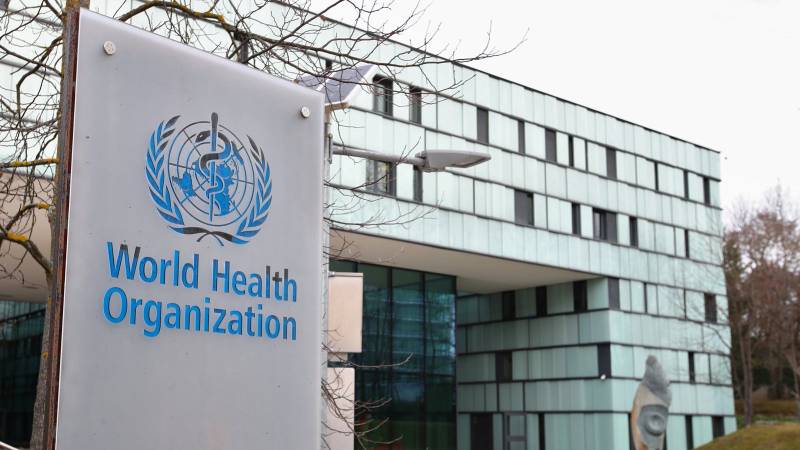
The World Health Organisation, as a global health agency, has made significant contributions over the decades. It has changed the way global health is perceived—from spearheading the eradication of smallpox to advocating for primary health care as the foundation of health systems worldwide. There is no doubt the world is healthier now than it was a century ago. However, the enduring legacy of colonialism has also influenced this humanitarian institution. Unfortunately, the WHO has, at times, contributed to colonial interpretations of global health. This legacy can partly be traced to its predecessors, International Sanitary Conferences starting in 1851 and the establishment of the Office International d’Hygiène Publique (OIHP) in 1907. The primary objective of these conferences and organisations was to protect the trade and economic interests of Europe and the Americas from infectious diseases, which they believed were exacerbated by conditions in the so-called "barbaric" civilisations of Africa and Asia. At its core, these conferences aligned with European interests. From a colonial and imperial perspective, it was not genuinely concerned with the health of local populations but with eliminating infectious diseases to safeguard the colonial powers' economic interests.
Additionally, the Rockefeller Foundation played a major role in the development of health systems, particularly in the United States. The Foundation viewed the underdeveloped and economically unproductive southern region of the U.S. as an opportunity: if the poor there were provided education and health care, their productivity as workers would increase, thereby boosting business profits. This model was soon exported to colonised countries. In collaboration with the Rockefeller Foundation and other actors, the, International Sanitary Conferences laid the groundwork for what would become the WHO. Established after World War II, the WHO initially attempted to break from these colonial traditions. It was genuinely committed to long-term, people-centered health solutions. This era aligned with the dominance of Keynesian economics in the 1950s and 1960s, and the WHO benefited from a broad range of financial support.
Financial pressure may once again push the WHO toward vertical interventions instead of helping countries in the Global South build robust, integrated public health systems
However, the rise of neoliberalism in the late 1970s drastically shifted the organisation’s direction. Facing a global financial crunch, the WHO was forced to collaborate more closely with the World Bank, which significantly altered its priorities. One of the first casualties of this shift was the definition of “health,” which began to emphasise “economic productivity.” This echoed the colonial logic that public health should support the extraction of labor and resources rather than promote holistic well-being.
This marked a departure from WHO’s earlier lateral, system-wide approach—focused on environmental and population health—and ushered in a return to vertical programs. These target specific diseases outside of existing public health systems. Vertical programs, originally championed by the Rockefeller Foundation, offer specific interventions for specific diseases, abandoning efforts to reform entire health systems. The Foundation’s colonial-era goal was to improve labor productivity through selective interventions, such as “magic bullet” cures, aimed at eradicating conditions like the so-called "lazy man’s disease," all to serve corporate interests.
This approach persists today. In its Report on Macroeconomics and Health, developed in partnership with the World Bank, the WHO calls for action to reduce poverty in low-income countries. However, this policy shift reflected increased World Bank funding, rather than renewed support from the United Nations. This change further demonstrates the alignment between international financial institutions and investment-focused health models. As a result, there is now more emphasis on vaccination and other targeted disease interventions rather than comprehensive reforms that would make entire health systems more efficient and resilient. Vertical programs are often implemented by NGOs operating parallel to state-run health systems with separate resources and priorities. This dual structure often leads to fragmentation and poor coordination, particularly in low-income countries.
The 2014 Ebola epidemic clearly demonstrated the dangers of relying on such disease-specific programming. Recent cuts to U.S. funding for the WHO risk further entrenching this model. Financial pressure may once again push the WHO toward vertical interventions instead of helping countries in the Global South build robust, integrated public health systems. The United States also promoted “Selective Primary Health Care,” which prioritised a limited set of interventions (mainly vaccinations) at the expense of broader, horizontal approaches to health. This shift undermined efforts to create sustainable health infrastructure in much of the world.
In recent years, the WHO has begun to move back toward system-wide, horizontal models, particularly after the COVID-19 pandemic. Integrated health systems—like that of Cuba—fared relatively well in the face of the crisis. However, the WHO remains dependent on donor funding, much of which still prioritises vertical approaches. To remain true to its founding vision of "Health for All," the WHO must resist the influence of neoliberal economic reforms and recommit to a comprehensive, people-centered model of public health. Most importantly, it must take urgent steps to decolonise its structures and policies. Only then can global health governance genuinely serve all populations—especially those that have long been marginalised.