

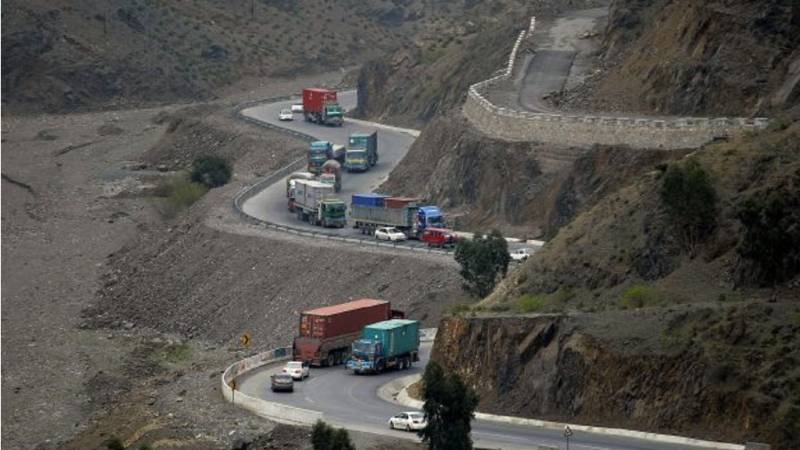
Attending the Stakeholders Consultative Workshop on the Khyber Pass Economic Corridor (KPEC) and the Urban Master Plans for Western Greater Peshawar (WGP) was one such moment for me. As I sat among experts and decision-makers, envisioning a brighter, more resilient urban future, I found myself quietly overcome, not just as a specialist in environmental safeguards, but as someone whose roots run deep in this land.
For those of us who belong to Khyber, the weight of history is never far. We know the hardship, the deprivation, the broken promises of development that never came. We’ve seen children walk miles to reach a school or abandon education altogether because there were no teachers, no roads, no hope. We’ve seen young men grow into adulthood with ambition in their hearts but no opportunities at hand. These memories don’t just linger — they shape how we perceive any new promise of progress.
That is why KPEC is not just a corridor — it is a crossroad. A turning point that may finally bring the long-awaited shift from marginalisation to inclusion, from survival to dignity. The stakes are high. At the core of this initiative is the aspiration to transform a historically underserved and strategically vital region into a thriving, connected, and sustainable economic zone. It is a vision not only of transit and trade but of holistic, inclusive development rooted in local realities.
At the workshop, I was encouraged to see a diversity of voices in the room — urban planners, engineers, environmental scientists, economists, and community stakeholders — united by a common intent: to build not just infrastructure, but opportunity. The master plans presented by NESPAK were not merely technical blueprints; they represented a profound shift in thinking. This wasn’t about erecting buildings or laying down roads alone. It was about designing livable, equitable urban futures — cities and towns that work for their people, respond to environmental challenges and preserve their cultural and ecological integrity.
Let KPEC be remembered not merely for the roads it builds, but for the dignity it restores. A legacy where children dream, youth thrive, and history finally bends toward justice
Sustainability was not an afterthought but embedded into the very foundation of these plans. There was a clear emphasis on environmentally conscious growth, using climate-resilient approaches to land use, factoring in water resource stress, preserving biodiversity, and mitigating the effects of extreme weather events through green infrastructure. Social safeguards, too, were woven thoughtfully throughout, ensuring that displacement, if any, would be addressed with justice and empathy and that the voices of the marginalised were part of the process, not left behind.
What struck me most was the human-centered approach. Economic corridors can often become extractive by nature, prioritising logistics over livelihoods. But KPEC, as envisioned in this dialogue, aimed to reverse that narrative. There was deliberate attention on how infrastructure development can catalyse access to health, education, housing, and livelihoods, especially for women and youth. The idea of creating economic clusters along the corridor, linked with vocational training and small enterprise promotion, offered a tangible path toward employment generation in districts where opportunities have long been scarce.
The leadership of Mr. Imran Zahoor, Project Director of KPEC, provided both direction and conviction. His commitment to inclusivity, transparency, and local engagement resonated deeply because meaningful development cannot be imposed; it must be co-created with those it intends to serve. That spirit of participatory planning, where communities are not just consulted but actively engaged, was perhaps the most promising sign of all.
As an Environmental and Social Safeguards Specialist, I found the integration of ecological, cultural, and socio-economic dimensions both timely and essential. But as a daughter of Khyber, I felt something even more powerful — a resurgence of hope. Hope that a child in Jamrud or Landikotal might sit in a well-lit classroom with access to clean water and books. A graduate from Bara might not have to leave home in search of work, but instead contribute meaningfully to his community. Mothers might walk their children to clinics built not just as structures, but as promises kept.
KPEC, if carried forward with integrity, can be more than a project. It can be a national symbol of how we lift our most underserved regions — not through charity, but through justice and smart, sensitive planning. This corridor can connect more than cities. It can connect futures. It can connect Pakistan with its potential — rooted not in extractive speed, but in deliberate, inclusive progress.
We have in front of us a rare chance — not just to move goods, but to move hearts, minds, and communities forward. Let KPEC be remembered not merely for the roads it builds, but for the dignity it restores. A legacy where children dream, youth thrive, and history finally bends toward justice.