

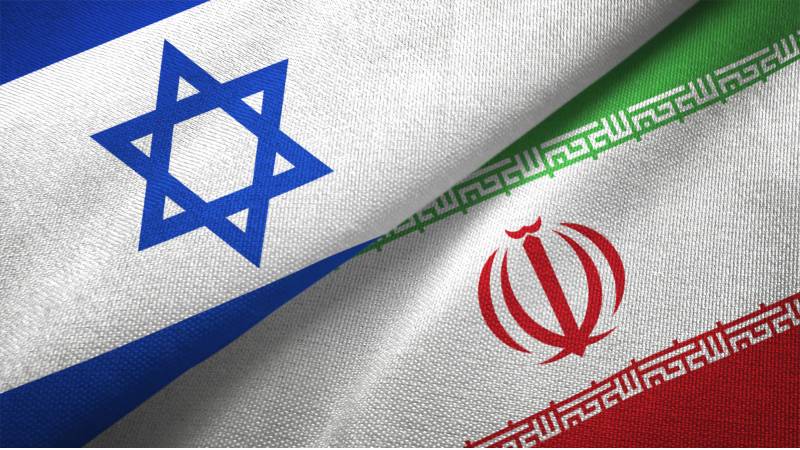
Since the Islamic Revolution of 1979, Iran has regarded the United States (US) and Israel as its principal adversaries—and vice versa. Over the decades, this ideological rivalry has deepened, particularly over Iran’s nuclear ambitions. Tehran’s efforts to develop nuclear capabilities have been seen by the US and Israel as a threat to regional, if not global, peace. Even several Arab states have expressed strong reservations about a nuclear-capable Iran.
While attempting to address these concerns diplomatically, the Obama administration, in collaboration with European allies, brokered the Joint Comprehensive Plan of Action (JCPOA) with Iran in 2015. This deal offered a robust mechanism to check Iran’s nuclear programme and granted Iran some relief in the form of trade and investment opportunities. However, Donald Trump unilaterally withdrew from the JCPOA during his first term, thus discarding a rare diplomatic opening.
In his second administration, Trump has aligned even more overtly with the Zionist Israeli regime led by Benjamin Netanyahu—whose actions many in the Global South see as ruthless—culminating in US airstrikes on 22 June targeting key Iranian uranium enrichment facilities with non-nuclear but high-impact bombs. Iran, however, maintains it had vacated those facilities prior to the strikes.
This escalation has drawn criticism across the region and beyond. Saudi Arabia, Russia, China, and Pakistan have condemned the Israeli strikes and voiced disapproval of the US attacks. In a retaliatory move, Iran launched a missile strike on an American airbase in Qatar, though reports suggest the base had been vacated, resulting in no significant American casualties or damage.
Unless a renewed diplomatic framework is established, Iran may seek to accelerate its nuclear ambitions as a deterrent, especially if it perceives continued hostility from Israel
Iran has also threatened to close the Strait of Hormuz, through which approximately one-fifth of the world’s oil and natural gas transits. The closure of this crucial maritime chokepoint could significantly disrupt global energy markets and exacerbate regional economic instability. However, such a move would also hurt Iran’s economy, which relies heavily on the Strait to export hydrocarbons to key partners such as China.
In the wake of this volatile exchange, Trump posted on his Truth Social platform that both Israel and Iran had approached him regarding a ceasefire. While this may appear to be a hopeful sign, Trump’s credibility is questionable. He had earlier called for a two-week de-escalation window, only to launch a major attack during that period.
Iran is now reportedly in dialogue with Russia, a key geopolitical actor with influence in the region. Arab states, including Saudi Arabia and Qatar, are said to be communicating with Moscow on Washington’s behalf in an effort to initiate negotiations. The coming days will reveal whether the Iranian leadership considers ceasefire terms.
At its core, the Iran–Israel conflict is symptomatic of a broader US-led power assertion against a regional state with limited military alliances. Iran’s only significant support has come from non-state actors such as the Houthis of Yemen. The destruction of Iranian nuclear facilities by US airstrikes is believed to impede Tehran’s ability to assemble a nuclear weapon in the near term. However, the scientific expertise and institutional knowledge remain intact.
Unless a renewed diplomatic framework is established, Iran may seek to accelerate its nuclear ambitions as a deterrent, especially if it perceives continued hostility from Israel. In addition, whether Iran resumes or refrains from nuclear weapons development would largely depend on how Washington engages with Tehran in the coming weeks. Equally critical is how the Iranian government is perceived domestically. Thus far, the US–Israeli attacks have not visibly weakened the regime’s internal standing. Indeed, in the face of foreign aggression, the leadership may find renewed nationalist legitimacy.
Ultimately, the Iran–Israel war underscores the dangers of military brinkmanship, failed diplomacy, and regional imbalance. The path forward must include credible international mediation, reinvigorated diplomacy, and mutual recognition of security concerns if further escalation is to be avoided.