

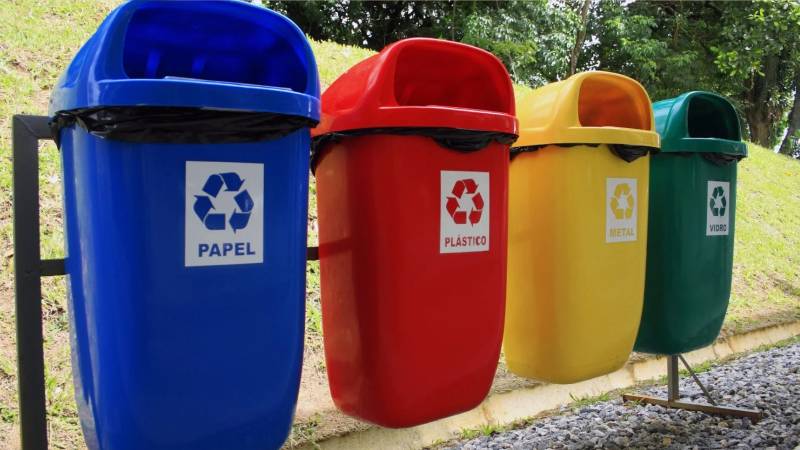
Recycling is a global phenomenon that needs to be addressed globally, and it needs attention with reference to waste management and environmental sustainability in Pakistan. The salient effects of global warming invite attention to the phenomenon of environmental sustainability, and recycling is a key component of it.
Recycling is useful in mitigating carbon emissions; for instance, by recycling paper, the number of trees cut down and the quantity of water required in manufacturing are diminished. It reduces carbon dioxide emissions by 700 million tonnes annually, which makes a significant contribution to the fight against climate change.
Recycling of electronic waste is also meaningful in mitigating the environmental footprint by investing in e-waste recycling facilities. Millions of electronic devices are discarded annually, with increasing technological advancement, which are composed of metals such as gold, silver, and platinum. The majority of these devices are disposed of in landfills, resulting in environmental pollution, considering the statistical figure of 53.6 million tonnes of electronic waste that is forecast to grow to 74 million tonnes by 2030.
The recycling industry of Pakistan is in its infancy compared with developed countries globally
It raises a red flag that can be transformed into a silver lining by improving e-waste collection and recycling. This would provide an edge in extracting precious metals from electronic waste, reducing the need for mining in the long run, and proving economically beneficial. Valuable resources can be recovered, for example, recycling one tonne of smartphones produces 70 kg of copper, 1 kg of silver, 15 kg of lithium, and 235 grams of gold. Such valuable quantities of raw materials are currently being wasted through the disposal of electronic gadgets.
It is unfortunate to note that food is wasted at all stages of the supply chain, from production to consumption, in Pakistan, which leads to emissions of greenhouse gases such as methane that are produced when organic matter decomposes in landfills. Composting can be used to overcome this issue, whereby food waste is transformed into compost that mitigates carbon emissions by 14% in contrast with landfilling. Composting provides chemical fertilisers to the soil that originate from fossil fuels, which enrich the soil. It is deemed beneficial in an agriculture-driven economy such as Pakistan, at both domestic and industrial levels. Hence, recycling of food waste can ensure environmental sustainability by ensuring high yields of agricultural growth.
The recycling industry of Pakistan is in its infancy compared with developed countries globally. It can decrease environmental impact by creating public awareness, improving waste collection systems, and developing recycling infrastructure. Economic opportunities can be created in the form of employment prospects in areas where waste generation is the highest. It stimulates jobs and creates income for the population, resulting in an improved quality of life for society at large.