

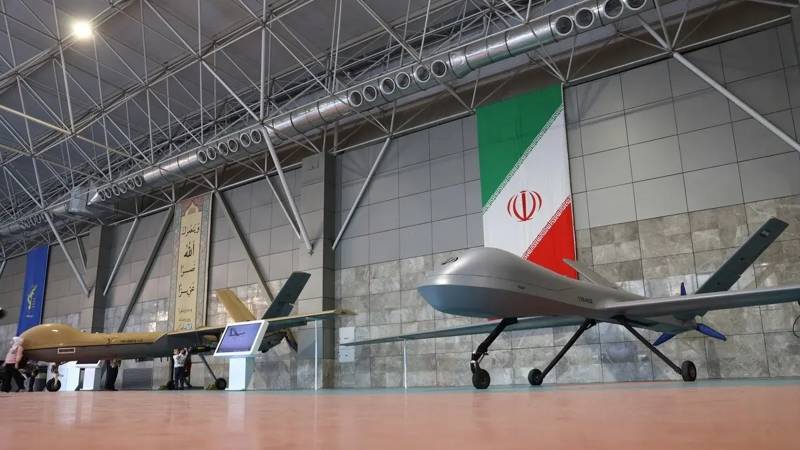
The March 2026 escalation in the Strait of Hormuz represents more than a tactical confrontation; it is the herald of a fundamental shift in regional security. As the Trump doctrine meets Iran’s asymmetric resilience, the traditional security architecture of the Gulf is facing an existential crisis.
Tehran is successfully neutralizing high-cost munitions through low-cost methods. For regional capitals, this demonstrates that hardware superiority no longer guarantees the integrity of maritime corridors. This "Munition Trap" has moved the front line to the pockets of consumers, with €3 billion in extra costs for the EU and a historic 400 million barrel release by the IEA. This dynamic proves that in modern attrition warfare, logistical endurance outweighs initial firepower.
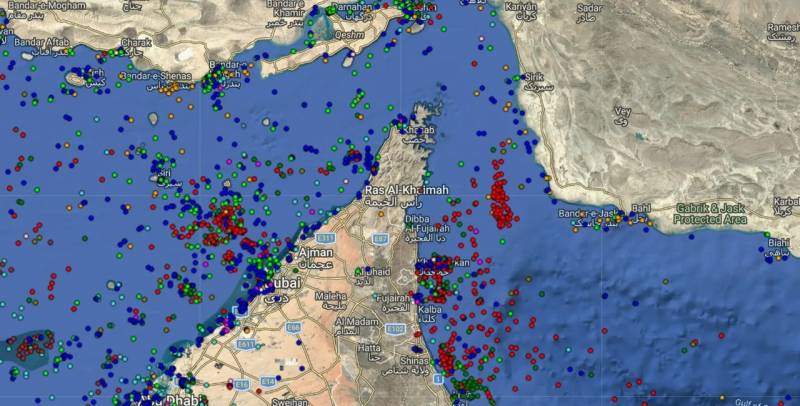
The inability of the U.S. to fully shield regional assets from drone swarms has triggered an existential re-evaluation in Riyadh and Abu Dhabi. Tehran’s overture promising "safe passage" to countries that distance themselves from U.S. military outposts suggests a new regional security architecture. This shift forces non-aligned powers in South Asia, particularly Pakistan, to balance their strategic interests between Western security guarantees and the emerging necessity of Eurasian stability.
If the current war of attrition continues to deplete Western stocks and credibility, the regional order will transition toward a framework where logistical resilience and resource sovereignty are the ultimate currency. The "Shattered Shield" of the West is being replaced by a multipolar reality where regional actors must negotiate their own survival.