

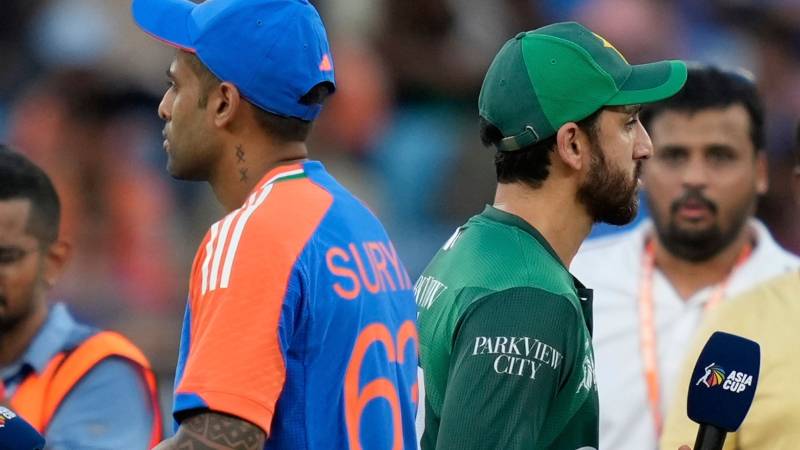
Cricket between India and Pakistan is meant to be the last quiet room in a noisy neighbourhood. A toss. A game. A line of handshakes. On 14 September in Dubai the first two happened. The third did not. India won, Pakistan lost and the sport mislaid a habit that keeps rivalry human. A handshake is not statute; it is the spine of etiquette. Break it and the body of cricket slumps. If sorrow and remembrance were the motive, the game already owns clean tools: black armbands, a minute of silence, measured words at the presentation. Then a meeting of eyes and hands. The richest board in cricket could not afford the cheapest courtesy. That was not courage. It was choreography.
The move played well at home. It cooled anger for a night, shifted debate from selection to symbolism and let political weather borrow a jersey. Yet the domestic dividend arrived with a global bill. Very good Indian players, top-class performers by any measure, were made to look smaller than their cricket, asked to carry a placard when their job is to carry a chase. The world did not see professionals who can win and then show grace. The world saw a great side turned into a backdrop for a message. Two points on the table; a debit in the ledger marked common decency.
The signs were plain. A few seconds of wrong audio before Pakistan’s anthem. A studied glance away at the toss. A brisk walk past the greeting line at the end. Each detail is small. Together they spell message. You did not need a press note. You only needed to watch. It looked planned, timed and aimed at a domestic mood. In the language of British terraces, it was not cricket.
Those who care for the idea of cricket do not quarrel with grief. Families in Pahalgam deserve empathy, not point-scoring. The question is simple: why invoice remembrance to the handshake line? The sport keeps certain rituals sacred because children are watching. A handshake costs nothing. Teaching a child that the other shirt is a rival, not an enemy, is priceless.
Pakistan’s first response got the principle right: call out the breach of courtesy. The next steps were clumsy rather than wicked. Demanding the removal of the match referee turned a clean ethical complaint into a personalised quarrel. The referee, given minutes rather than hours, relayed a stance he did not invent. The quarrel belonged with the stance, not with the messenger. The delayed departure for the United Arab Emirates match punished players more than anyone. Filming inside the Players and Match Officials Area handed the authorities an easy file. These are fixable process lapses, not moral disqualifications. They deserve correction, not a bonfire.
Today it is a handshake, tomorrow it could be an anthem mix-up, a walk-off, a choreographed sulk
Cricket is called a gentleman’s game because it is a promise: the ball decides, not banners; you play hard and then you meet at the end; you show children that the other shirt is a rival, not a target; umpires are respected even when they are wrong; captains speak for the room, not only for themselves. These small habits teach a large ethic. Break the ritual and you tell the youngest eyes that anger outranks respect. That is not strength. That is theatre.
Supporters may still say the refusal was a storm in a teacup. It was not. Rituals police the borders of rivalry. They are small fences that prevent bigger walls from rising. When the most powerful board treats those fences as disposable, it tells every federation that symbols can be weaponised on demand. Today it is a handshake, tomorrow it could be an anthem mix-up, a walk-off, a choreographed sulk. That is the thin end of the wedge, greased for speed.
There is also a catalogue polite rooms skip because lists make people uncomfortable. The military-style caps in a home one-day international in 2019, framed as tribute, received as message. The call in 2019 at global forums to turn a tournament into a purity test, framed as principle, experienced as a courtroom in coloured kit. A World Cup month in 2023 when visas for Pakistani journalists and fans arrived so late that the paperwork itself became a headline. An Asia Cup redesigned into a hybrid in 2023 because one board would not travel to the host. The old big-three carve-up in 2014 that pressed television money and leverage into the same hands. None of these episodes equals a missing handshake. Together they sketch a habit: when power can move the furniture, the room stops looking neutral.
Now to the council that is supposed to keep the room neutral. The ICC’s job is simple to say and impossible to dodge: protect the beauty of the game, guard its ethics, carry its history forward and keep rules boring so matches stay sane. On all four, the guardians came up short. The no-handshake stance in 2025 exposed a policy hole you could drive a team bus through. If handshakes are optional in periods of national mourning, write it down for every team and every round, read it aloud in the technical meeting and put the decision on the record a day before the match. If handshakes are expected as custom, require any team that wishes to opt out to inform the referee and the opposition in writing, with the reason, in advance. This is not rocket science. It is the dull craft of removing avoidable ambiguity.
Instead, the ICC treated the sport’s most visible ritual like an afterthought and then thumped the table about a phone in a corridor. That is marking your own homework while leaving the classroom door open. When a camera peeks into a restricted area, the council can find a rule before you can say tea and biscuits. When a tournament stumbles over an obvious etiquette gap, the council turns into a chocolate teapot: present, shiny and no use when the heat is on. Neutral venues without neutral rules are sandcastles. The tide always comes.
None of this happens in a vacuum. For a decade and more, cricket’s political economy has been upside down. The tail wags the dog: revenue follows the big market; the big market writes the diary; the diary shapes the law; and the law becomes a polite suggestion unless someone waves a phone in the wrong room. The result is a council that sounds fierce in circulars and looks feeble on the rope. You cannot tell the world that cricket is a gentleman’s game while treating its rituals like loose change.
Cricket does not need grand speeches. It needs clean habits that children can copy
India’s players do not need rescuing by anyone’s pen. They are very good cricketers, top-class performers with a depth most boards would envy. Their cricket did not need a stunt to feel meaningful. It needed the one gesture that proves strength can carry grace. They were denied that chance. Once more, adults in the boardroom gave children outside the wrong lesson to copy.
What should happen next is not glamorous, which is precisely why it works. Write the ritual. Put the handshake, and any permitted alternative, in the match notes. If a team intends to opt out, it must tell the referee and the other team in writing the day before; the referee reads it back to both managers; no surprises at the rope. Protect the room. The PMOA stays lens-free unless the referee and venue manager sign a one-page clearance with a time stamp; if the paper does not exist, no camera enters; a breach should cost money and matches, not feed a timeline. Protect the clock. No board dispute delays a team bus; the referee and tournament director have explicit authority to start a match on time even if a protest is being filed; the protest can be processed, the clock cannot be bullied. Penny-plain and pound-wise, these fixes keep a tournament from turning into a dog’s breakfast.
Honesty also asks for proportion on Pakistan’s side. The lapses were real but fixable in 2025: the delayed bus, the personalised demand to remove the referee, the camera in a restricted room. These choices shifted attention from India’s breach of ritual to Lahore’s breach of procedure. Quiet rules, training and discipline can repair that. The players did their part by winning the next game. Let the board keep phones out of the wrong rooms and buses on time. That is enough.
Looking ahead requires realism, not melodrama. On current form it is highly unlikely Pakistan reach the final in 2025. There may still be another India fixture in the business end of the competition. The last thing this tournament needs is a sequel to theatre. India must decide whether power can carry grace. Pakistan must decide whether discipline can carry anger. The council must decide whether it will finally write what is optional and what is not and then keep time. No more nods and winks. Either shake hands or put an opt-out in writing the day before. Either protect the PMOA with paper or stop complaining when a phone appears. Either start on time or admit the timetable is a suggestion.
Cricket does not need grand speeches. It needs clean habits that children can copy. The sport has already been made to carry a burden it did not choose. Respect demands that the next contest is played with clarity and restraint. If India reach the podium again, let their strength walk down the line and meet a set of hands. If the management intends to refuse, say so in writing before the toss so nobody is ambushed and nobody is humiliated on camera. Do not ask very good players to perform another set of tricks for a television mood. Ask them to play cricket. And even when national manners run rough, they must not overrule the game’s manners; the custodians are duty-bound to safeguard cricketing manners, because that is their first job.
If Pakistan play again this week, let administrators keep the door shut, the bus on time and the dressing room quiet. As for the ICC, custody is not a slogan; it is the duty to remove confusion before it becomes conflict. In a region that follows cricket like a faith, the council’s task is to protect the simple rites of the game. Shake hands or record the exception in advance. Keep the room clean. Keep the clock honest. Let the scoreboard be the only loud thing at the end. The trophy, whoever lifts it, should be a symbol of skill, not a casualty of performance. And if national mannerisms are in poor temper, they must never trump cricketing manners; the hope and the expectation is that the game’s guardians will defend the sport’s manners first, last and always.