

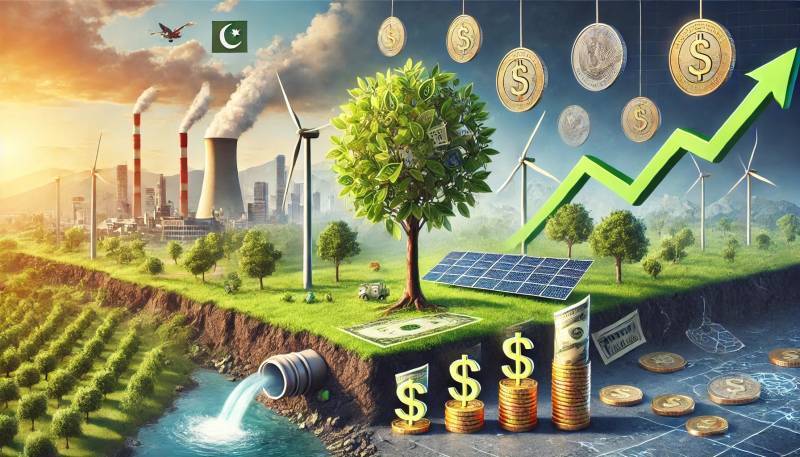
The announcement of COP15 in Copenhagen was once viewed as a lifeline for developing and poor countries struggling with the effects of climate change, and this should continue to be the case. It also acknowledged the depressing fact that people who bear the least amount of blame for the crisis frequently bear the worst of its effects. More than ten years have gone by since the funds were announced, and they have yet to be delivered, leaving the most vulnerable communities in a precarious situation as they cope with the devastating effects of drought, floods, and sea level rise.
Since then, several summits have been held annually, but the total has not yet been reached. Every year since, several summits have been held, but the total has not yet been attained. Due to increased emphasis on the need for affluent nations to meet their $100 billion yearly contribution, the Paris Agreement was modified during the 2015 COP15. In the accord, it was agreed that global warming should be kept below 2°C and, if feasible, below 1.5°C. The financial assistance that would be given to the weaker nations was also identified. But as of right now, the aforementioned objectives are being implemented at a snail's pace.
Although the developed nations came the closest to the goal in 2020, when total climate funding reached $83.3 billion, it still falls short of the pledged amount. The investment reached $91.6 billion in 2022 but was still short by $10 billion, leaving developing and underdeveloped nations feeling as though yet another promise had been broken. Concurrently, the damage cost of climate change skyrocketed, with estimates indicating it could reach more than $400 billion annually by 2030. Pakistan's 2022 floods alone caused over $30 billion in losses, destroying houses, infrastructure, and livelihoods.
Despite urgent appeals for financial assistance, the funds Pakistan received were inadequate. The international community pledged around $10 billion at the Climate Resilient Pakistan Conference in 2023, but a significant portion of this came in the form of loans rather than grants. With more than 70% of climate finance coming as debt-based assistance, Pakistan, already struggling with an economic crisis, was forced to take on additional financial burdens to rebuild. Meanwhile, only a fraction of the pledged funds have been disbursed, delaying reconstruction and leaving millions in prolonged suffering.
Developed countries must keep their promises and switch from loanbased aid to grant-based assistance
To finance climate recovery, third-world nations must thus reallocate funds from other vital sectors, such as healthcare and education. Additionally, because of the financial delays, many have already suffered harm by the time relief does reach; for example, many vital infrastructures have not yet been fixed, houses are still in ruins, and families are fighting for their lives. Without prompt and sufficient coordinated assistance, the poor nations may have protracted recovery times, heightened economic volatility, and elevated instances of poverty.
Karachi, Pakistan’s largest urban centre, has been hit by extreme heatwaves in 2015, killing over 1200 people, and urban flooding in recent years. More recently, in 2022, monsoon rains overwhelmed Karachi’s drainage system, flooding streets, crippling infrastructure, and causing significant economic losses. Despite these worsening conditions, cities like Karachi remain critically underfunded in climate resilience projects, largely because the promised international climate finance has not materialised.
The impacts are not limited to just the cities, they extend to rural areas as well. Pakistan's agriculture, a mainstay of the economy, is in extremely poor condition. Crops are being destroyed by droughts, floods, and unstable weather, resulting in poor food security and even lowering the standard of living for farmers. This key to the thriving of Pakistani agriculture, the Indus River basin, is suffering from the increased scarcity of water due to climate change, which is only adding to the problem.
This situation highlights a recurring issue in climate finance. While developed nations emphasise their commitments, the reality is that funds arrive late, in insufficient amounts, and often with conditions that create long-term debt rather than relief. Similar trends can be seen in other climate-affected nations, where aid has been slow and inadequate.
Similar challenges exist in other major cities across the developing world. In Dhaka, Bangladesh, floods displace millions every year, while in Lagos, Nigeria, rising sea levels threaten coastal communities. These urban centres, which are the economic lifelines of their countries, lack the necessary financial resources to strengthen climate adaptation efforts. Without urgent climate finance, they will continue to bear the brunt of climate disasters, leading to economic instability and humanitarian crises.
Wealthy nations have frequently changed their priorities, pointing to internal economic difficulties, energy crises, and bureaucratic roadblocks. Trillions of dollars are being raised for fiscal stimulus and military expenditures, while climate finance is still mired in political controversy. Even if the $100 billion target is substantial for developing countries, it only accounts for a small portion of global spending, which begs the question of whether the biggest economies in the world prioritise climate action.
The framework of climate financing is still seriously broken even after financial promises are made. This strategy goes against the fundamental principles of climate justice by transforming aid into yet another financial burden rather than a lifeline. More than 70% of the funding provided has been loan-based, forcing developing countries to incur further debt to address a problem they did not cause.
Pakistan is in a precarious position because of the $100 billion climate funding pledge being breached. The implications of inactivity worsen as climatic catastrophes worsen and the country's debt load grows. Developed countries must keep their promises and switch from loanbased aid to grant-based assistance. A sincere and prompt commitment to climate justice is essential for Pakistan's future and the welfare of its citizens.