

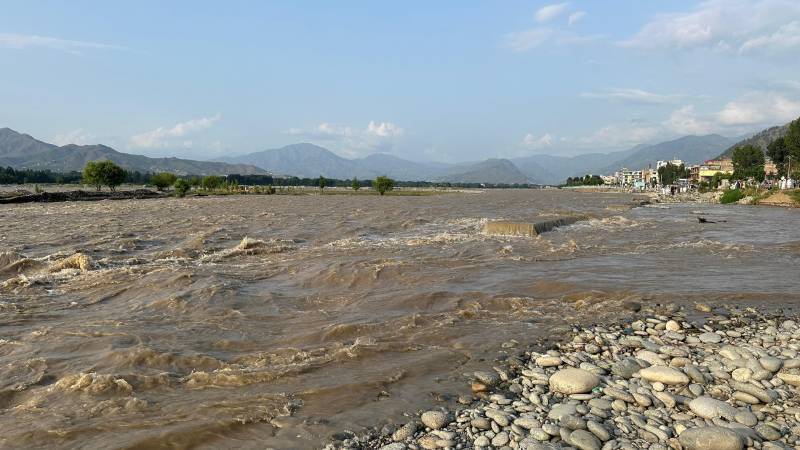
Heavy rains and flash floods have struck northern and north-western Pakistan, leaving widespread devastation in their wake. Khyber Pakhtunkhwa (KP) has been particularly affected, with cloudbursts and subsequent flooding severely impacting local communities. As of 18 August 2025, reports indicate that several villages are submerged, prompting the evacuation of residents to safer areas.
A cloudburst is an intense weather event producing sudden and heavy rainfall over a limited area. The resulting pressure on rivers and land often leads to flash floods and landslides. In districts such as Buner, Mardan, and Swat, more than 100 millimetres of rainfall was recorded within just an hour, affecting riverside settlements and destroying homes and shops.
Meteorologists note that cloudburst incidents have increased in Pakistan in recent years, largely due to climate change. Rising atmospheric moisture and erratic weather patterns contribute to heavier rainfall. Deforestation and unplanned urban expansion further amplify the effects, while landslides in hilly regions pose additional threats to residential areas.
Government and non-government agencies, including the National Disaster Management Authority (NDMA) and provincial authorities, are actively engaged in relief operations. The army and civil organisations are involved in rescue efforts, providing food, clean water, medical aid, and temporary shelters. However, extreme flood conditions and landslides in certain areas are creating logistical challenges for these operations.
The flooded regions of Khyber Pakhtunkhwa demonstrate how sudden climatic changes can disrupt lives
Public awareness is crucial during such events. Residents are advised to exercise caution during rainfall, avoid flood-prone areas, and prepare emergency kits. Local authorities have also restricted construction in affected regions to ensure human safety.
Communities are showing remarkable solidarity, assisting each other in pumping out water, aiding the injured, and distributing food supplies. This collective effort highlights the resilience and humanitarian spirit of the local population during natural disasters.
Experts continue to monitor weather patterns and issue warnings regarding ongoing rainfall and potential cloudbursts. Authorities have cautioned that water levels in some areas may rise further, making timely relocation to safe zones essential.
The impact of climate change is increasingly evident in Pakistan, with severe rains, heatwaves, and other natural hazards becoming more frequent. Mitigating their effects requires coordinated efforts by the government, local communities, and international organisations. Improved infrastructure, effective policies, and public awareness remain key factors in reducing the damage caused by such disasters.
The flooded regions of Khyber Pakhtunkhwa demonstrate how sudden climatic changes can disrupt lives. The courage of affected residents, combined with government interventions and meteorological guidance, plays a critical role in managing the crisis. Addressing these challenges necessitates continuous cooperation and preparation.
This situation emphasises the importance of readiness in the face of natural disasters. While complete elimination of such events is impossible, timely precautions and safety measures can significantly reduce the loss of life. The residents of northern and north-western Pakistan will remember these days not only for the severity of the floods but also for the strength, resilience, and community spirit demonstrated in the face of adversity.