

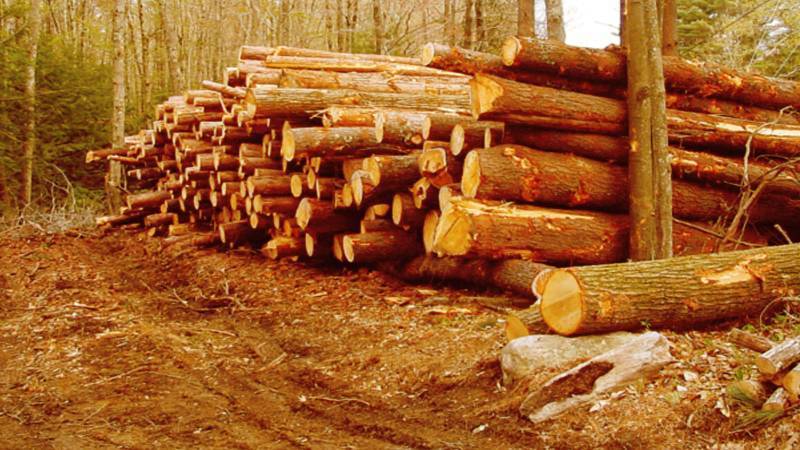
On 1 September, I had the honour of speaking at the Experts’ Consultation organised by the Sustainable Development Policy Institute (SDPI) in Islamabad. The theme of my talk, “Forests, Finance & Female Empowerment: Pakistan’s Climate Path”, captured the urgency of our discussions. The consultation aimed to provide policy advice for decision-makers to stop the cruel deforestation now devastating Khyber Pakhtunkhwa, Gilgit-Baltistan, and Azad Jammu & Kashmir (AJK). At the heart of this destruction lies the ugly hand of the timber mafia, whose unchecked activities are eroding our ecological shield and draining the economy. Our collective call was simple: Pakistan’s higher authorities must act before it is too late.
This crisis is neither distant nor abstract. Pakistan is already on the frontline of climate change, facing floods, landslides, and wildfires with alarming frequency. Forests, which act as natural sponges and shields, are being cut faster than they can regenerate. The consequences are predictable and devastating: villages washed away, infrastructure destroyed, and billions lost in an economy already staggering under fiscal strain. Every tree felled today becomes a disaster bill tomorrow.
But while the crisis is ecological, it is also financial. Forests are not just trees; they are living infrastructure. They regulate water, reduce disaster risks, and store carbon. Globally, forests generate billions annually through carbon credits, biodiversity offsets, and ecosystem services. For Pakistan, protecting forests could unlock vital climate finance at a time of dire fiscal need. Conversely, ignoring this potential means subsidising destruction while losing access to international markets.
Still, finance without fairness fails. Evidence worldwide shows that when women and local communities lead forest protection, investments endure. In Costa Rica, women-led cooperatives safeguard carbon markets. The ODI GLOW Programme (2021–24) demonstrated that directing funds into women’s agroforestry, eco-tourism, and renewable energy projects delivers both resilience and financial returns. Similarly, the WOCAN Gender Due Diligence Guide (2024) provides investors with structured tools to ensure climate finance translates into fairness and accountability.
Deforestation in KP, GB, and AJK is creating “flood factories” that destabilise the entire federation
Pakistan has its own lessons too. In KP and Chitral, community forest management and women-led nurseries have shown that inclusion strengthens conservation. Women already bear the brunt of climate disasters, managing households destroyed by floods and landslides, yet they remain under-represented in decision-making. Empowering them as stakeholders is not charity; it is strategy. When women lead, trees survive. When communities share benefits, accountability strengthens.
At the SDPI consultation, experts agreed that Pakistan must urgently:
- Declare forests as climate security infrastructure essential for resilience.
- Tighten enforcement to dismantle the political cover protecting the timber mafia.
- Build capacity for credible carbon accounting and transparent monitoring.
- Channel revenues from carbon finance into women-led cooperatives and community projects.
- Integrate Nature-Based Solutions (NbS) into climate and economic planning.
The scale of the stakes is staggering. Pakistan spends billions annually on disaster recovery. The 2022 floods alone cost an estimated $30 billion, a figure that dwarfs any profits from illegal logging. The timber mafia may enrich a few in the short term, but its long-term cost is borne by the entire nation in destroyed infrastructure, displaced communities, and deepened fiscal deficits.
Globally, the climate discourse is moving towards equitable NbS approaches that restore ecosystems while creating livelihoods. Investors and donors increasingly demand projects with strong social safeguards, gender integration, and community participation. Countries that fail to adapt risk being excluded from emerging carbon markets. Pakistan cannot afford such exclusion; its credibility and access to finance are at stake.
At its core, this is more than an environmental issue; it is a matter of national security. Deforestation in KP, GB, and AJK is creating “flood factories” that destabilise the entire federation. Protecting forests must therefore be understood as protecting Pakistan’s economic stability and climate resilience.
The consultation ended with a clear warning: delay will only strengthen the timber mafia’s grip and push the country further into ecological and fiscal collapse. Higher authorities must act decisively—tighten laws, enforce penalties, dismantle mafias, and build incentives for communities and women to lead.
Pakistan’s path forward depends on restoring harmony between people and planet, finance and fairness. If forests are protected, communities empowered, and women given leadership roles, Pakistan can turn crisis into opportunity. But if inaction persists, the economic, social, and ecological impacts will be irreversible.
Forests are not just trees; they are our shield, our economy, and our future. The time for half-measures is over. Pakistan must act now—before the last tree falls.