

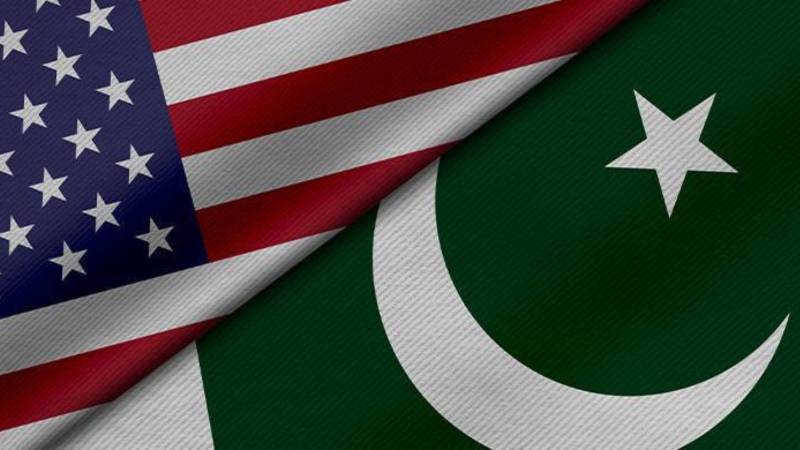
The US State Department’s Independence Day message to Pakistan this August reads like more than a courtesy note. It places counterterrorism and commerce side by side and names critical minerals and hydrocarbons as prospective areas for cooperation. That choice of nouns is deliberate. Ceremonial greetings usually rely on broad language about friendship and people-to-people ties. This one nudges the relationship towards specific economic lanes while acknowledging security engagement.
Critical minerals sit at the centre of modern supply chains for the energy transition and advanced manufacturing. The category generally covers copper, nickel, cobalt, lithium and rare earth elements, all of which feed electric grids, batteries, electronics and defence applications. Pakistan hosts known copper and other mineral deposits and is pursuing domestic gas and upstream activity. When Washington singles out minerals and hydrocarbons, it is signalling interest in concrete projects rather than assistance for its own sake. It also reflects a wider US effort to diversify supply chains and reduce vulnerability to external shocks after a decade of commodity volatility and fragile logistics. For Islamabad, the implication is clear. Governance, security of sites, transparent licensing and credible local partnerships will decide whether polite interest becomes investment.
The wording deserves careful attention. Diplomatic statements often place the safest nouns alongside the softest verbs. The verbs in this message are cautious. Phrases such as looks forward to and explore avoid binding commitments. The nouns do the heavy lifting by naming sectors with real balance sheets. The line that “appreciates Pakistan’s engagement on counterterrorism and trade” credits participation without certifying outcomes. That formulation recognises political and operational steps, yet it preserves leverage for future requests. In simple terms it is praise with conditionality built in. It also keeps the door open for Washington to measure progress through follow-up dialogues, prosecutions or financial actions against proscribed networks rather than through broad promises.
Set against the past fifteen years, the message sits within a pragmatic arc. The relationship has swung between friction and cooperation. In the late 2010s the United States reduced security assistance over militant concerns, which marked a visible low. After the US withdrawal from Afghanistan in 2021, both sides shifted to compartmentalisation. Operational cooperation on counterterrorism continued in various forms, while broader ties were reframed around trade, investment and climate-linked initiatives. The current greeting fits that template. It does not promise a return to large-scale security aid. It points instead to commerce and sectoral collaboration as the ballast that can stabilise a complicated relationship.
Trade is the practical anchor of that approach. The United States has remained a major destination for Pakistani goods and a significant source of investment interest. That reality gives the phrase “dynamic business partnerships” more substance than it might carry in a routine greeting. It implies a preference for private capital backed by risk insurance, credit guarantees and technical assistance, rather than headline grants. If officials mean what they say about minerals and hydrocarbons, the next steps will involve commercial missions, regulatory consultations and financial instruments that reduce project risk to bankable levels.
The message is best read as a carefully written marker of a pragmatic reset
The regional reading is equally important. The note avoids recrimination and keeps its tone transactional. It does not read as anti-India, nor does it seek to score points against regional rivals. In New Delhi, it is legible as an attempt to stabilise ties with Pakistan through economics and counterterrorism rather than grand bargains. In Beijing, it will be read as an offer of commercial alternatives in sectors where Chinese firms already have a presence. The United States is advertising a quieter route that relies on projects, contracts and compliance rather than on rhetoric. That does not make it apolitical. It does make it less theatrical.
Domestic politics will decide how far any of this can go. The reference to counterterrorism will be read in Pakistan as validation of ongoing operations and legal reforms, yet the message does not confer a blank cheque. Turning minerals and hydrocarbons into serious ventures requires provincial buy-in under the devolved framework, predictable regulation, credible dispute resolution and social licence in sensitive districts. Communities near prospective sites will weigh promises against lived experience on employment, environment and security. Investors will test whether contracts survive leadership changes, whether regulators issue permits on time and whether security plans are professional and proportionate. These are domestic tests rather than diplomatic ones. Without progress on these matters, expressions of interest will not translate into financing or a long-term presence by serious firms.
A realistic path would feature three elements. First, targeted risk reduction from US development finance and export credit agencies that can mobilise private investment without resorting to large grants. Instruments such as political risk insurance, loan guarantees and offtake support can bridge gaps where commercial lenders hesitate. Second, steady technical and regulatory work in Islamabad and in the provinces shortens project timelines and cuts uncertainty. That means clear concession terms, transparent tendering and a published queue for permits so that firms can plan construction and logistics. Third, visible counterterrorism outcomes that lower the project risk premium in areas where minerals and energy infrastructure are likely to sit. These outcomes do not need fanfare. They need to show up in statistics on incidents, in court records and in the steady absence of disruption.
There is also value in managing expectations. Mineral projects are capital-intensive and slow. Even when decisions are sound, exploration, feasibility, environmental studies, community consultations and financing take time. Gas and oil projects face similar lead times and must contend with price cycles and grid constraints. A measured approach that prioritises a handful of high-quality projects and executes them well will deliver more credibility than a long list of memoranda of understanding that never mature. The best signal to both publics is not an ambitious declaration. It is a small number of visible, on-budget, on-time projects with clear local benefits.
What should readers watch next? Three indicators will show whether the message has traction. Watch for business missions and company-level engagements that target minerals and upstream energy, rather than generic investment seminars. Watch for follow-up consultations on counterterrorism that convert engagement into measurable results, whether through joint working groups, designated entities or cooperation on financial intelligence. Watch for language in future US statements that continues to pair security with commerce and repeats the minerals and hydrocarbons framing. If those threads hold over time, the greeting will mark the beginning of a steadier phase rather than a one-day headline.
Some risks ought to be stated plainly. If domestic politics lurch, if provincial and federal coordination weakens or if security incidents spike near potential sites, the capital will hesitate. If procurement shortcuts or opaque deals creep in, the credibility the message aims to establish will erode. On the US side, changes in Congress or budget pressures can slow or shrink tools that underpin private investment. None of these risks are new. They are simply the recurring tests that decide whether policy language becomes economic reality.
The message is best read as a carefully written marker of a pragmatic reset. It validates counterterrorism engagement, steers the conversation towards critical minerals and hydrocarbons and emphasises private sector partnerships over chequebook diplomacy. For Pakistan, the opportunity is to convert congratulations into capital through predictable rules and secure sites that command public trust. For the United States the wager is that a quieter commercial relationship can advance security aims and supply chain resilience at lower cost. The words are measured. The implications are not small.