

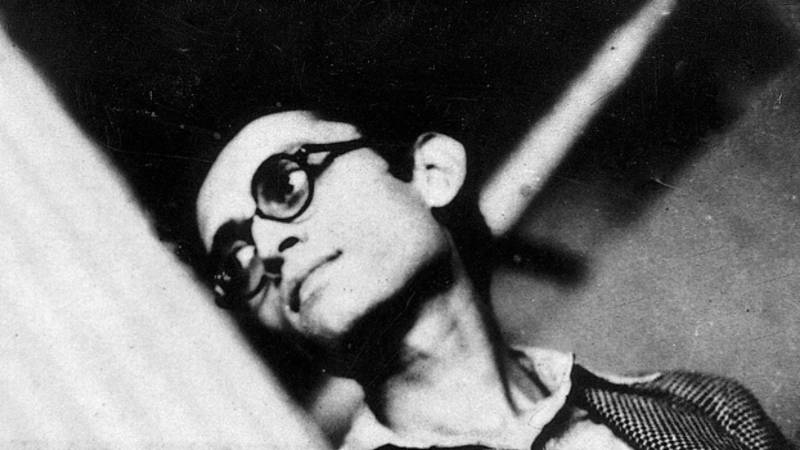
When Saadat Hasan Manto’s Kali Shalwar first appeared in the 1940s, it was accused of obscenity. However, to a reader who revisits this story years later with a more reflective gaze, the label of “obscene” feels misplaced; it is more like a social misreading than lewd. Yet there is no explicit sex, no crude language, no sensational climax. The scandal, I believe, was never in what Manto wrote but in who he chose to write about.
The story follows Sultana, a sex worker newly arrived in Bombay. She lives in poverty with an indifferent lover, and as Muharram approaches, she is drawn to its solemn rituals of mourning. She dyes her old shirt and dupatta black, but insists on something she cannot afford, a new black shalwar.
At first, this detail seems trivial. Why would a prostitute dye her shirt and dupatta black for Muharram, yet insist on buying a new black shalwar? Why not settle for a dyed one? Why must it be new? The answer lies in what the garment covers.
That is when it hit me that the shalwar is far more than a mere piece of clothing for Sultana; it is a symbol of dignity, of sacredness, of personal ritual for her. The part of her body that society reduces to only transaction is sacred to her. She does not want to wear a second-hand or dyed piece because it is an abasement of her earning tool; she wants something new, unsoiled, untouched, not for her clients but for herself.
Sultana treats her body not as a shameful commodity, but as a tool that provides her bread and butter and deserves respect at least from her, just like a surgeon might be meticulous about their gloves, or a soldier about their uniform. She wants a new shalwar not out of vanity, but to preserve a sense of sacredness, as if saying: “You may reduce me to this, but I still have the power to dignify it.”
Her insistence on a new shalwar is not a small detail. It is a declaration: You may use me, but you will not strip me of self-respect.
In a world that consumes her presence but denies her personhood, she remains quietly aware of the value and even the sacredness of the one tool she possesses: herself. Just as a woodcutter tends carefully to their axe or a musician guards their flute, Sultana’s tool is her body and, more specifically, the site of both exploitation and agency. Sultana, too, tends to the part of herself that sustains her, but in her case, the instrument is not simply physical; it is emotional, spiritual, and constantly misunderstood by the folks around her.
In this light, the shalwar becomes more than a piece of clothing. It becomes a symbol of bodily sanctity, especially of the part of her body that is routinely objectified and commodified. In that desire lies both quiet resistance and an act of reclamation. It might have potentially answered the very question that puzzles many: Why was Kali Shalwar considered obscene? However, it is not obscenity; it is existential self-assertion in a world that offers her nothing but use and disposal, but decades ago, this truth was too much to digest for the patriarchal society, where anything and everything related to women’s sexuality is considered offensive and obscene.
It shatters the Madonna–Whore binary that patriarchy clings to — the idea that a woman is either pure and worthy of respect, or “fallen” and deserving only of shame. Sultana refuses both labels. She participates in religious mourning, she remembers a past of emotional value, and she honours the very body others devalue. It suggests that a prostitute may spiritually value the very part of her body that others desecrate, which destabilises the entire purity-shame dichotomy that patriarchy relies on. More provocatively, this is what makes Kali Shalwar unsettling even today.
The real obscenity, Manto shows us, is not in Sultana’s profession. It is in the gaze that insists she has no right to mourn, no right to dignity, no right to sacredness. Her insistence on a new shalwar is not a small detail. It is a declaration: You may use me, but you will not strip me of self-respect.
That truth, more than any explicit scene, is what disturbed readers then, and perhaps still does.