

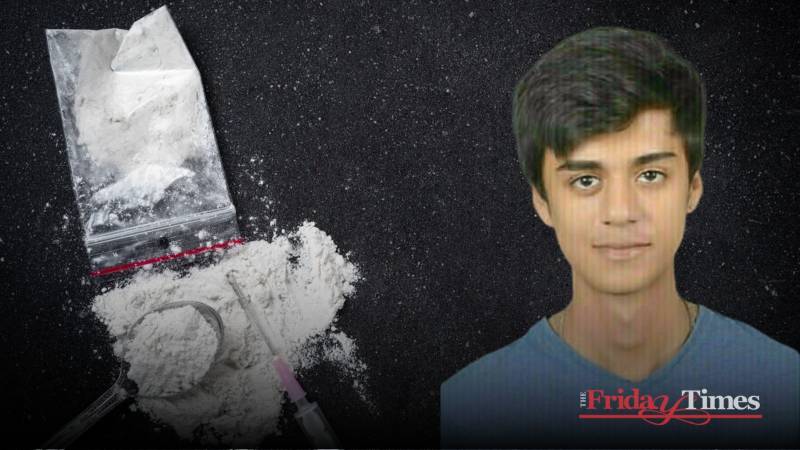
Drug addiction is a growing menace in Pakistani society, posing a significant threat to the country's social fabric, economic stability, and future generations. With an increasing number of individuals slipping down the slippery slope of drug addiction, their futures, families, and the very fabric of Pakistani society are under threat. The Mustafa Amir murder case has reignited concerns about the widespread drug culture in Pakistan's elite class. This horrific incident reminds one of earlier incidents involving Noor Mukaddam, Shahzeb Khan, Sara Inam, and others, highlighting the dark side of Pakistan's elite class and the alarming rise of drug-fueled culture.
The tendency to use opium, heroin, cannabis, and methamphetamine (commonly known as 'ice') is on the rise. According to the United Nations Office on Drugs and Crime, Pakistan has 6.7 million drug users. The Pakistan Bureau of Narcotics Control estimates that approximately 6 percent of the population – 9 percent of the adult male population and 2.9 percent of the adult female population – equivalent to 6.7 million people, uses a substance other than alcohol and tobacco. This number escalates at an alarming rate of 40,000 per year, solidifying Pakistan's status as one of the most drug-affected nations globally. This surge is accompanied by a spike in HIV positivity, increasing from 15 percent in 2011 to a concerning 50 percent in 2023.
The murder of Mustafa Amir uncovers the ugly truth of drug dealers and the incompetency of law enforcement agencies to stop the illicit drug business worth millions of rupees. This case rips the mask off the proliferation of drugs in high-class circles. It also exposes the alarming reality of even synthetic substances being readily available across all income groups. It highlights the shocking depth and breadth of Pakistan's drug crisis. The supply chain traces back to Afghanistan, responsible for a substantial portion of the world's heroin. Afghanistan produces 90% of the world's illicit heroin, with opium poppy cultivation covering more land than coca cultivation in Latin America. The influx of heroin from Afghanistan has contributed significantly to increased addiction rates in Pakistan. As the World Drug Report 2023 and Afghanistan Opium Survey 2023 note, the seizure of opium in Pakistan has risen after the Taliban regime lifted the tax on opium.
Pakistan's geographical location makes it vulnerable to cross-border drug trafficking, complicating law enforcement efforts
The UNODC calculates that over 800,000 Pakistanis aged 15 to 64 regularly use heroin, consuming an estimated 44 tons annually. The economic impact of the illegal drug trade is staggering, generating up to $2 billion each year. Several factors contribute to the increasing drug culture in Pakistan. Socioeconomic conditions play a significant role, as poverty and unemployment drive many to seek solace in drugs. Stress and anxiety are also significant contributing factors that lead to addiction. The devastating impacts of drug addiction are multifaceted and far-reaching, wreaking havoc on not only individuals but also communities.
Pakistan's geographical location makes it vulnerable to cross-border drug trafficking, complicating law enforcement efforts. However, Pakistan can follow the example of Asian countries like Singapore, Malaysia, and China, which have a zero-tolerance policy on drug trafficking, with penalties including the death penalty. Furthermore, increasing public awareness and educational initiatives is vital to prevent drug abuse. Strengthening law enforcement to combat trafficking and distribution is also crucial. It is essential to promote rehabilitation and support programs that focus on reintegration and psychological support. Promoting exercise, yoga, and religious activities can also improve both mental and physical well-being.
In a nutshell, Pakistan, a country already juggling too many challenges, cannot afford the growing drug culture that poses a significant threat to its security and public safety. Drug cartels have become a global challenge, affecting countries from El Salvador to South Sudan, and from Honduras to Myanmar. The Mustafa Amir murder case should serve as a wake-up call to eradicate drug abuse, weapons, and human trafficking from the country. Otherwise, Pakistan, already reeling from terrorism, sits on a powder keg, poised for further instability.