

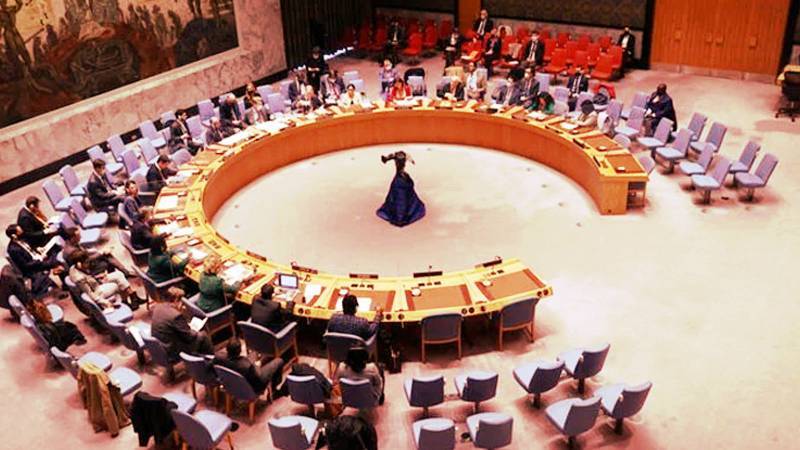
It is encouraging that Russian President Vladimir Putin and U.S. President Donald Trump have engaged in discussions regarding the ongoing India-Pakistan conflict, alongside discussing broader global issues, including the war in Ukraine. It is also encouraging that US and China are holding trade talks in London after the Trump-Xi phone call. Another step also shows accomodation and willingness from the United States that they are accepting that Iran submits a nuclear deal counter-proposal to the US after rejecting the US proposal.
This marks a significant shift in global diplomacy, as two nations that once stood on opposite ends of the Cold War divide are now actively engaging in dialogue to mitigate tensions worldwide. Their regular communication suggests a commitment to international stability, signaling a departure from past adversarial postures toward collaborative diplomacy.
It is reasonable to assume that the Middle East, particularly the ongoing crisis in Gaza, is also on their agenda. The recent developments in Gaza have drawn intense global scrutiny, with Israel accused of misleading the international community regarding its ceasefire negotiations. Initially presenting a phased cessation of hostilities, Israel instead appears to have used this period strategically to secure hostage releases before resuming its military operations without a clear objective. This has led to widespread condemnation, as the world increasingly recognises the severity of the situation. The humanitarian crisis in Gaza has been exacerbated by the ongoing blockade of essential supplies such as food, water, and medicine, with claims that these resources are being confiscated by Hamas militants remaining unverified. Given the gravity of the situation, Putin and Trump must leverage their influence to address this matter with urgency.
Trust-building measures, if carefully implemented, may lead to broader diplomatic engagement, ultimately fostering a climate where collaboration supersedes confrontation
On another front, Pakistan’s diplomatic efforts have earned recognition for their professionalism, restraint, and strategic communication. Prime Minister Shahbaz Sharif’s acknowledgment of Trump’s role in preventing conflict between India and Pakistan underscores the unexpected yet effective maneuvering that has led to a possible de-escalation. Pakistan’s diplomatic outreach through measured, disciplined, and rational engagement continues to strengthen its position on the global stage. By advocating for dialogue rather than confrontation, Pakistan is shaping its image as a responsible actor committed to maintaining stability in South Asia.
This evolving geopolitical landscape presents a rare opportunity for global leaders to step away from zero-sum approaches and instead prioritise constructive diplomacy. If key stakeholders continue to engage in meaningful negotiations, there is hope that conflicts across multiple regions can be diffused. The world is at a crossroads, leaders must recognise that peace cannot be achieved through force alone but through persistent and principled diplomacy. This moment in history demands strategic, honest engagement, and the choices made now will define the global order for years to come.
Bilawal Bhutto Zardari's proposal, widely covered by multiple media outlets, suggests collaboration between Pakistan’s Inter-Services Intelligence (ISI) and India’s Research and Analysis Wing (RAW) to combat terrorism in the region. While this idea is certainly notable, it is important to acknowledge that intelligence agencies around the world often engage in intermittent communication to address security concerns. In the case of Pakistan and India, the last high-level intelligence meeting reportedly took place in 2021, which indicates that such cooperation is not entirely unprecedented. However, given the deep-rooted mistrust and longstanding hostilities between the two nations, this suggestion warrants serious consideration. Exploring avenues for intelligence-sharing and strategic coordination could contribute significantly to regional stability and counter-terrorism efforts.
If pursued with sincerity, this initiative could help establish a framework where both nations can move beyond accusations and focus on jointly addressing security threats. A structured dialogue between their intelligence agencies could not only facilitate information exchange but also create a mechanism for early detection and prevention of terrorist activities. Trust-building measures, if carefully implemented, may lead to broader diplomatic engagement, ultimately fostering a climate where collaboration supersedes confrontation. This pragmatic approach could serve as a foundation for future peace efforts, ensuring that mutual concerns related to terrorism are addressed effectively and that people of both countries can live in peace and can do business with each other.