

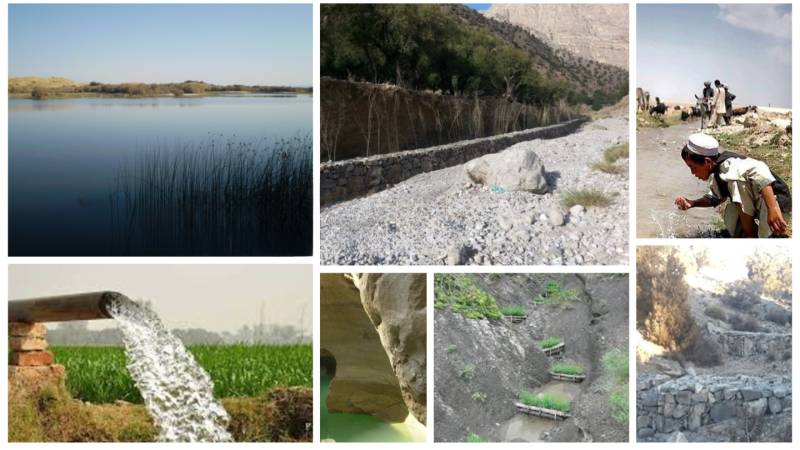
Balochistan is facing one of the most alarming climate-related crises in its recent history, as prolonged drought, shrinking cultivable land, and rapidly depleting groundwater threaten to push the province toward a large-scale agricultural collapse. Experts warn that without immediate and coordinated measures, the crisis could escalate into food shortages, livelihood losses, and widespread displacement across rural areas.
According to a recent assessment by the Asian Development Bank’s Development Asia platform, Balochistan’s cultivable land has drastically reduced to just 7.2 percent of the province’s total area—one of the lowest ratios in the region. The report describes the situation as “critically fragile,” linking the decline directly to erratic rainfall, mismanaged water resources, and the accelerating effects of climate change.
For decades, Balochistan was known for producing a diverse range of high-value crops, including apples, grapes, pomegranates, wheat, rice, and various vegetables. Agricultural experts note that the province once cultivated different crops, contributing significantly to local food supplies and rural incomes. However, persistent water scarcity has sharply reduced productivity in recent years. Farmers across districts such as Quetta, Pishin, Mastung, Kalat, Kharan, and Nushki report shrinking harvests and less reliable growing seasons.
One of the most pressing concerns is the rapid depletion of groundwater. Experts estimate that groundwater levels in several districts are falling by three to four feet every year, driven largely by inadequate rainfall, excessive pumping, and the lack of sustainable recharge systems. As a result, thousands of tube wells essential for both drinking water and irrigation are drying up or becoming non-functional. “This level of depletion is unsustainable. If the trend continues, large portions of rural Balochistan may become uncultivable within a decade,” warned an agricultural specialist based in Quetta.
Without decisive action, experts fear that continued climate stress could trigger an agricultural collapse with far-reaching economic and social consequences
The prolonged drought is also inflicting severe social impacts. Nearly 75 percent of the rural population depends directly on agriculture and livestock for survival. With water sources disappearing, many families are struggling to maintain their farms, forcing some to sell livestock, abandon fields, or migrate to urban centres in search of alternative livelihoods. In several villages, women and children travel long distances daily to fetch water from dwindling springs or government-supplied tankers.
Environmental analysts point out that Balochistan’s water crisis is not solely a result of climate change. Years of unplanned development, unregulated groundwater extraction, the absence of small dams, and limited investment in modern irrigation systems have worsened the situation. Traditional flood irrigation, still commonly used, results in wastage of more than half the water supplied to fields. In contrast, water-efficient methods such as drip and sprinkler irrigation remain underutilised due to high costs and lack of technical awareness.
Government officials acknowledge the severity of the crisis, but progress on long-term solutions has been slow. Several projects aimed at improving water storage and management remain under planning or partial implementation. Analysts warn that delays could prove costly, noting that climate models predict further rises in temperatures and declines in rainfall across the province in the coming years.
Experts argue that a coordinated water-management strategy is now urgently required. Recommended measures include expanding small and medium-sized dams to capture rainwater, rehabilitating natural recharge areas, regulating groundwater extraction, and introducing efficient irrigation technologies at the farmer level. Strengthening early warning systems and climate-resilient farming practices is also essential to prepare communities for increasingly unpredictable weather patterns.
Balochistan now stands at a critical crossroads. Without decisive action, experts fear that continued climate stress could trigger an agricultural collapse with far-reaching economic and social consequences. But with timely investment, stronger water governance, and community-level adaptation measures, the province may still be able to avert the worst impacts of its deepening climate emergency.