

Art has always been a potent force, shaping and reflecting the world’s political and economic realities. From the Renaissance—where affluent patrons funded artistic movements to consolidate their influence—to the Cold War, when governments wielded culture as a tool of ideological warfare, art has never existed in isolation. Today, in an era of shifting geopolitical alignments and the dismantling of longstanding power structures, the role of art is undergoing yet another transformation, raising profound questions about its place in a rapidly evolving world.
We are witnessing a global realignment, where traditional Western dominance is yielding to a multipolar world. The economic and political ascent of China, the growing influence of the Global South, and the increasing assertiveness of non-Western cultural hubs are reshaping international power dynamics. With these changes, the art world is experiencing a parallel shift.
For decades, Western institutions—museums, galleries, and auction houses—controlled artistic narratives, determining which works were deemed valuable and which voices were worthy of attention. That monopoly is now eroding. Countries in the Middle East, Asia, and Africa are investing heavily in art diplomacy, establishing their own cultural centres, museums, and biennales. China’s cultural investments through the Belt and Road Initiative, for instance, are redefining artistic and economic ties across continents. Meanwhile, Gulf nations are transforming cities like Doha and Abu Dhabi into global art capitals, attracting talent and reshaping the discourse on artistic legitimacy.
These shifts challenge the long-standing Western dominance in the global art market. For centuries, European and North American institutions set the standards for what was considered “high art,” dictating which artists achieved recognition and financial success. Now, new players are entering the arena, bringing with them fresh narratives and perspectives.
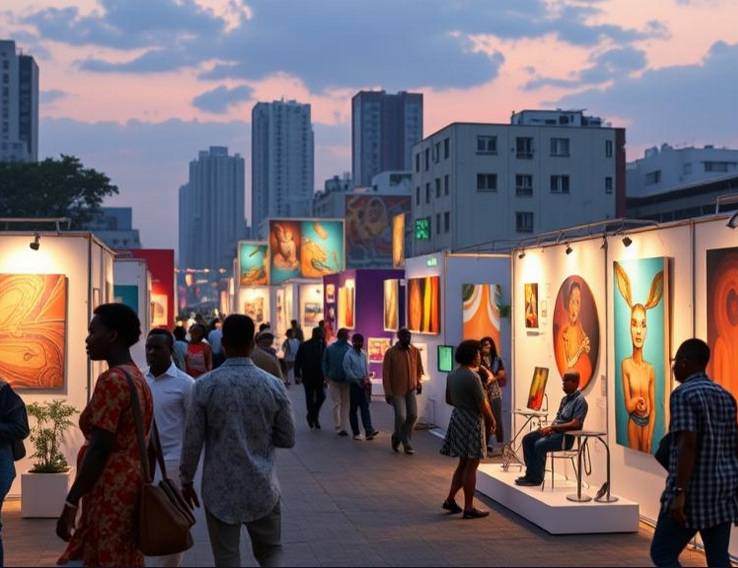
But does this shift genuinely democratise art, or does it merely replace one set of gatekeepers with another? As these new cultural centres rise, the same dynamics of power and influence—where art is used to project soft power, reinforce national narratives, and consolidate economic capital—remain firmly entrenched. While institutions in the Middle East and Asia are elevating regional artists, they are often criticised for promoting state-approved narratives rather than fostering truly independent artistic expression. The question persists: Will these emerging art centres create more inclusive platforms, or will they replicate the exclusivity of their Western predecessors?
The role of Art Basel and the rise of for-profit art fairs
One of the most significant developments in the art world has been the proliferation of for-profit art fairs, with Art Basel leading the charge. Established in 1970 in Switzerland, Art Basel has since expanded to Miami Beach and Hong Kong, solidifying its position as a global powerhouse in the commercial art market. Each year, these fairs attract high-net-worth collectors, top galleries, and blue-chip artists, underscoring the art world’s deep ties to financial capital and elite networks.
Beyond Art Basel, other major art fairs—such as Frieze (London, New York, Los Angeles, and Seoul), The Armory Show (New York), Art Dubai, and TEFAF (Maastricht, New York)—have become pivotal marketplaces for high-value art transactions. These events play a crucial role in defining trends, determining which artists gain international recognition, and reinforcing the dominance of wealth-driven curation.
Will the new cultural centres emerging across Asia, the Middle East, and Africa create more inclusive spaces for artistic expression, or will they replicate the exclusivity of Western institutions? Will the digital revolution truly liberate artists, or will the forces of financial capital ensure that creativity remains a commodity?
While these fairs provide artists with opportunities for global exposure, they also highlight the commercialisation of art, where financial capital dictates artistic success. Critics argue that these events prioritise marketability over artistic integrity, with galleries strategically promoting works that appeal to wealthy collectors rather than those with deeper social, political, or cultural significance.
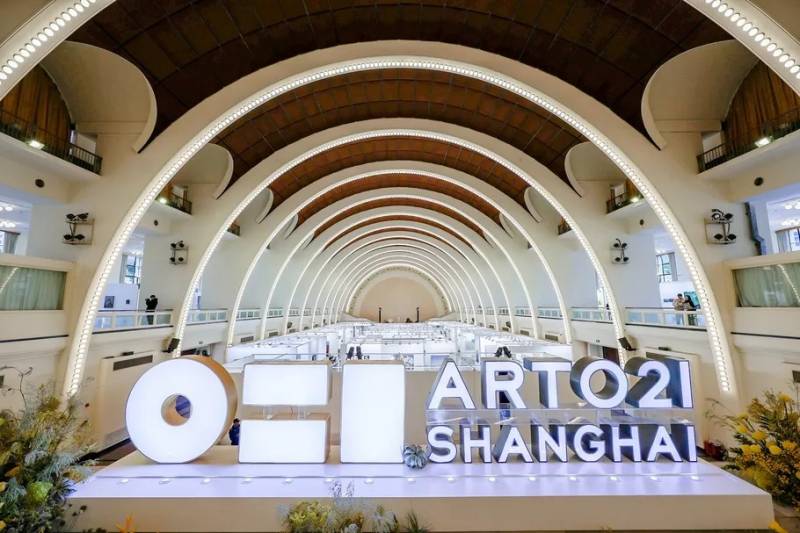
Moreover, the rise of non-Western art fairs, such as Art X Lagos (Nigeria), India Art Fair, and the Shanghai Art Fair, signals a shift in global art influence. These fairs challenge the Western-centric art market by elevating artists from Africa, South Asia, and China. However, they also operate within the same economic structures—favouring commercial viability and elite patronage over accessibility for emerging artists and grassroots movements.
Ultimately, while art fairs expand opportunities for artists and collectors worldwide, they also reinforce the financialisation of art, where the ability to participate is often determined by capital rather than talent or social impact. This raises the question: Is the art fair boom truly democratising art, or is it merely shifting power from Western elites to global elites?
Is the Digital Art Economy a revolution or just another market?
One of the most dramatic transformations in recent years has been the rise of digital art, blockchain technology, and decentralised creative economies. Non-fungible tokens (NFTs) were initially hailed as a revolution—giving artists direct access to global audiences without relying on galleries or institutions. Suddenly, an artist in Lagos or Mumbai could sell their work to a collector in New York or Dubai, bypassing traditional gatekeepers.
Yet, as quickly as the promise of decentralisation emerged, it became evident that financial speculation and corporate interests were once again at play. The same capitalist structures that dominated the traditional art market swiftly infiltrated the digital space. Wealthy investors, major corporations, and tech giants stepped in, buying up digital assets and dictating trends, turning art into a speculative commodity rather than a form of creative or political expression.
Art as a political weapon in a fragmented world
Beyond economic power, art continues to be a critical tool in political struggles, social movements, and international conflicts. In an era where traditional warfare is often supplemented by information battles and soft power tactics, art has become a frontline medium.
During the Arab Spring, digital art and street murals became symbols of resistance, amplifying the voices of revolutionaries. In Ukraine, artists have used everything from performance art to digital installations to tell their stories and counteract disinformation. Across the world, protest movements—from climate activism to human rights campaigns—have harnessed art’s ability to cut through political noise and mobilise collective action.
In Iran, following the protests sparked by the death of Mahsa Amini, artists both inside and outside the country have created striking visual works that encapsulate the pain, resilience, and demands for justice of the Iranian people. Similarly, in the United States, movements like Black Lives Matter have used art—murals, poetry, digital campaigns—to reclaim public spaces and challenge systemic injustices.
However, just as art can be used to challenge power, it is also weaponised by those in control. Governments, corporations, and political movements have learned to appropriate artistic expression, using it to reinforce their own narratives. The same street art style that once symbolised resistance is now repurposed by luxury brands. The same digital art that challenged oppression is now used to create AI-driven political propaganda. In a world where meaning is constantly being deconstructed and reconstructed, the line between art as resistance and art as manipulation grows ever thinner.
Where do we go from here?
As the world undergoes profound geopolitical shifts, the role of art will continue to evolve. Will the new cultural centres emerging across Asia, the Middle East, and Africa create more inclusive spaces for artistic expression, or will they replicate the exclusivity of Western institutions? Will the digital revolution truly liberate artists, or will the forces of financial capital ensure that creativity remains a commodity?
These questions are not easily answered. What is certain, however, is that art remains one of the most powerful tools for shaping narratives, influencing economies, and challenging authority. Whether in the form of a painting, a digital NFT, or a viral political meme, art will continue to define how we see the world—and how the world sees itself.
The challenge for artists, policymakers, and cultural institutions moving forward is to ensure that art does not merely become a tool of the powerful but remains a space for independent thought, cultural diversity, and meaningful creative expression.
In a time when power is shifting and cultural narratives are being rewritten, the fight for artistic autonomy is more important than ever. The question is not whether art will adapt to these changing realities—it already has. The real question is: Who will control it, and to what end?