

All nation-states are human creations, drawn on maps. In much of the post-colonial world, these lines came from empires, not from the people living there. That is why instability in many countries is not accidental; it is built into the system. Identity is more than occupying land; it grows over generations through political struggle and shared debate. Every young nation faces basic questions: Who are we? Does the Constitution protect everyone or only a few? Is security more important than dignity? Is religion the foundation of belonging, or citizenship? When these questions are ignored, identity cracks, and the state relies on control instead of consent.
These challenges grow sharper with each new generation. Young people, who did not experience independence, do not accept old explanations for current problems. When the state cannot offer a clear sense of belonging, other forces step in, populists, religious leaders, or militants. Across South Asia, Africa, and the Middle East, the same pattern repeats: institutions treat citizens as risks to manage rather than people to include. When security replaces citizenship, instability becomes permanent.
The tribal areas along the Pakistan–Afghanistan border show this most clearly. These regions were never fully integrated into a modern state. The British never conquered them outright; they managed them. Using the Frontier Crimes Regulation and indirect rule through tribal elders, the state acted mainly to maintain order while letting local customs dominate. Pakistan inherited this system. Early leaders debated reform but chose continuity over real change. The result was not autonomy, but permanent exception, a population left outside normal constitutional rights.
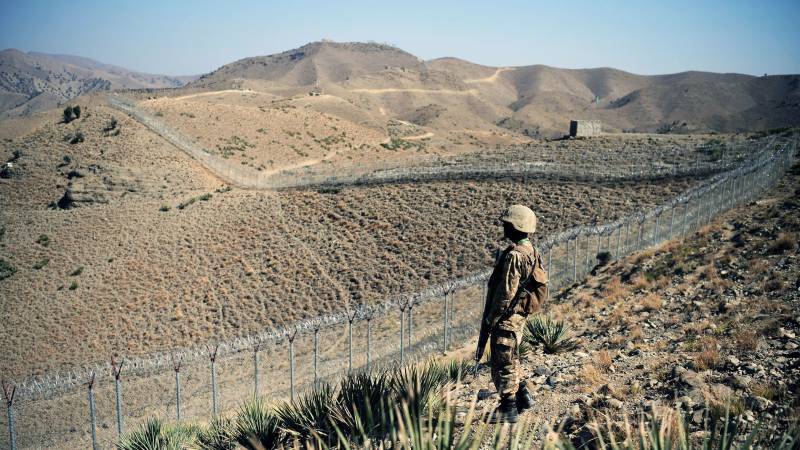
For decades, this worked because the border was not treated as a strict boundary. Tribal life moved freely across the Durand Line. That changed after the U.S. invasion of Afghanistan. The tribal belt became a global security hotspot. Militancy, proxy wars, and international pressure forced Pakistan to see the region not as a society to govern, but as a boundary to secure. Policy became focused almost entirely on security.
The real question Pakistan must answer is not whether it can use force; it always can. The question is whether the state is willing to move beyond colonial-style management toward real citizenship
This approach has never been fixed. Military operations, displacement, compensation packages, and development projects replaced real political integration. Even the FATA merger, presented as a historic correction, did not change the underlying logic. Laws were reformed on paper, but real power remained with old structures. Courts exist, but authority is weak. Police were introduced, but civilian rule remains fragile. The area was brought under administration, not governance.
This is not to deny real security threats. Cross-border militancy and regional instability are real. No government can ignore them. But force alone cannot solve what is really a problem of identity and governance, and decades of evidence show it does not.
This explains the current distrust between KP’s civilian leadership and the security establishment. The military sees the region as a problem of armed groups that need operations. Civilian leaders, shaped by repeated cycles of violence and displacement, see these operations as proof that the policy fails. They are not ignoring militancy; they are rejecting the idea that force alone can fix deep political and social issues. Beneath politics and strategy lies a basic disagreement about what true stability requires.
Solving borderland instability requires both security and politics, keeping violence in check while also building governance, rights, and trust. Pakistan has invested heavily in the first and neglected the second. Political integration must mean more than changing laws. It means giving people a real voice in decisions that affect them, building justice systems that are respected locally, designing economic policies that fit the region, and creating space for debate about how the area relates to the state.
This is not easy. Building governance in conflict-affected regions takes patience, resources, and courage. But difficulty is no excuse for doing nothing. Treating the tribal belt only as a border to secure has caused the very instability it was meant to prevent. As long as dignity, political voice, and equality remain secondary to security, every operation will just delay the next crisis.
The real question Pakistan must answer is not whether it can use force; it always can. The question is whether the state is willing to move beyond colonial-style management toward real citizenship. Until that happens, the border will stay restless, and the distrust between civilians and the security establishment will remain logical, not rebellious.