

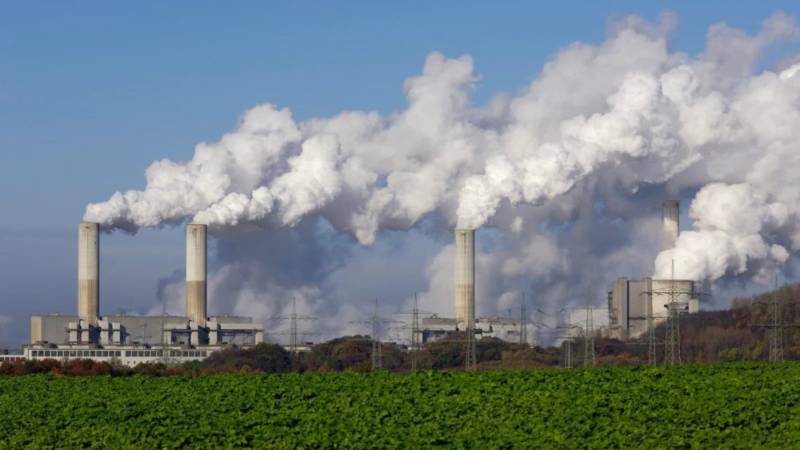
The amount of carbon emissions from Pakistan represents less than 1% of the world’s total emissions, yet it holds the position of the most climate-vulnerable country as per the recent Climate Risk Index 2025. The minimal carbon output of Pakistan does not shield it from suffering severe environmental and economic consequences, which demonstrates the pressing requirement for emissions reduction and climate adaptation measures. The nation’s extensive use of fossil fuels, combined with ineffective energy management, constitutes the primary cause of its substantial environmental impact, thus demanding a transition to sustainable energy practices.
The Energy Crisis: A Heavy Reliance on Fossil Fuels
Most of Pakistan’s carbon footprint comes from its energy sector. More than 40% of the country’s primary energy is supplied by imported oil, coal, and natural gas, making it highly exposed to trends in the global market. While domestic coal mining can help with short-term energy shortages, it increases pollution and runs counter to international efforts to transition to clean forms of energy.
The transport sector also drives carbon emissions. The growing number of vehicles powered by oil and gas, combined with inadequate public transport, has caused air pollution in cities to rise. Cement production and large-scale manufacturing in the industrial sector also emit significant pollutants, harming both air quality and the environment.
Pakistan’s electricity supply still largely depends on the burning of fossil fuels. Ensuring a stable electricity supply has become a challenge for the country, as load-shedding regularly disrupts both businesses and daily life. As coal-fired plants continue to operate, carbon levels rise, making it harder for the nation to escape its environmental and economic challenges.
The Consequences of Carbon Emissions
Excessive burning of fossil fuels has caused cities such as Karachi and Lahore to be enveloped in hazardous smog. Pakistan bears enormous financial losses each year due to air pollution’s impact on productivity and healthcare costs. Increased levels of carbon and particulate matter have led to higher rates of respiratory and cardiovascular diseases, putting additional pressure on an already struggling healthcare system.
The economic consequences extend beyond healthcare. Frequent power outages, caused by dependence on fossil fuels, reduce industrial productivity, slow economic growth, and discourage foreign investment. Climate-related disasters such as floods and droughts, worsened by high carbon emissions, further strain the economy by damaging critical infrastructure and displacing communities.
Improving energy efficiency in homes, schools, and workplaces can achieve community-wide reductions in energy demand and emissions
The country’s agricultural sector is also under threat. Shifts in rainfall patterns and prolonged droughts reduce food availability, lower crop yields, and necessitate costly imports. Rising temperatures degrade soil quality, making farming less productive, lowering rural incomes, fuelling inflation, and pushing food prices higher nationwide.
Deforestation significantly contributes to carbon emissions. Pakistan’s forests are disappearing rapidly due to illegal logging, urban expansion, and agricultural encroachment. The loss of forest cover exacerbates climate risks. While initiatives such as the Billion Tree Tsunami are commendable, more robust and lasting policies are needed to conserve and expand forested areas.
A Call to Action: Sustainable Solutions
Pakistan urgently needs sustainable approaches to manage its environmental impact. Expanding hydropower and promoting solar and wind energy can greatly reduce reliance on fossil fuels. Introducing advanced energy technologies and investing in public transport are essential for lowering emissions. These measures would not only combat climate change but also create local jobs and attract foreign investment.
Encouraging businesses to adopt energy-saving devices, such as smart grids and LED lighting, can help control energy use. Better building designs, with energy-efficient insulation and air conditioning, would reduce electricity consumption. The government should support energy-efficient industries through subsidies and tax incentives.
Public awareness is equally vital. Education campaigns on energy conservation, sustainable practices, and reducing carbon use can encourage more environmentally conscious choices. Improving energy efficiency in homes, schools, and workplaces can achieve community-wide reductions in energy demand and emissions.
Policy and International Collaboration
Pakistan’s government should introduce stricter regulations and public education programmes to curb carbon emissions. Partnerships with other countries can provide access to technical expertise and resources. The industrial sector must adopt carbon management solutions, particularly carbon capture and storage technologies.
Urbanisation has further increased carbon emissions. Building green spaces, energy-efficient housing, and smart transport systems can significantly reduce urban emissions. Expanding reforestation projects, such as the Billion Tree Tsunami, can help absorb carbon dioxide and restore ecosystems.
International funding is critical for effective climate action. Participation in global climate agreements offers Pakistan opportunities to secure financing for emissions-reduction projects. Developed nations must fulfil their climate finance commitments and support Pakistan’s transition to renewable energy.
Switching to cleaner energy will require years of sustained investment. The government should reduce fossil fuel subsidies and redirect the savings towards renewable energy initiatives. Diversifying Pakistan’s energy mix with hydrogen, biofuels, and other clean sources will strengthen long-term energy security.
The Future of Pakistan’s Climate Policy
With the world moving towards a greener future, Pakistan must keep pace. Climate change threatens both economic and social stability, making immediate action essential. Success in climate action will depend on the country’s ability to implement and enforce effective policies, set measurable carbon reduction targets, monitor progress, and hold industries accountable for their greenhouse gas emissions.
Integrating climate action into economic policy could lead to sustainable development. The private sector should play a key role, with incentives for businesses to adopt green technologies and reduce industrial pollution. Directing investment towards low-carbon industries can accelerate the transition to a green economy.
Towards a Sustainable Future
Taking action to cut carbon emissions now will not only help avoid future climate disasters but also make Pakistan healthier, more resilient, and economically stronger. A focus on sustainability can position Pakistan as a leader in climate action and safeguard future generations.
The fight against climate change will require a shift to renewable energy, better urban planning, and an environmentally responsible industry. Strong governance, sound policymaking, and public engagement will be essential. With decisive government action, Pakistan can protect its natural resources and ensure a future of health and well-being for its people.