

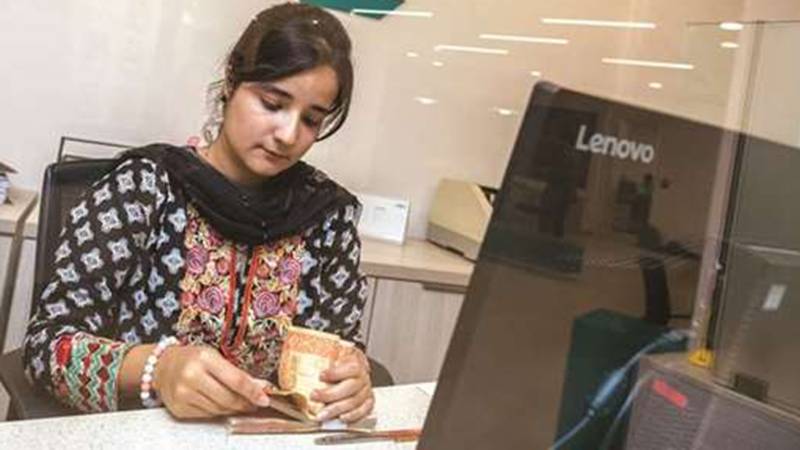
Pakistan wants more women in its banks. The women already there say they are being harassed, overworked, and pushed out.
Pakistan has one of the lowest rates of women's workforce participation in the world. It ranked 143rd of 145 countries in the World Economic Forum's Global Gender Gap Index 2026, and only about a quarter of Pakistani women are in paid work. Finance is one of the few sectors where educated women from middle, lower-middle, and now working-class families have gained a foothold.
The State Bank of Pakistan has tried to widen that foothold. Under its Banking on Equality policy, launched in 2021 with a target of 20 per cent women in the sector, women's share of bank staff rose from 13 per cent to 17 per cent. A second edition of the policy, launched in October 2026, advises banks to provide daycare for working mothers.
From 1991, the state sold controlling stakes in major banks, and many bank workers have been hired on contracts through third-party agencies - women say most private banks do not allow unions, leaving female workers with no collective support
But inclusion has not brought security. For this investigation, 45 women working in banks and brokerages in Lahore and Islamabad, from junior officers to senior managers, were interviewed, and many completed written questionnaires. Almost all said they or their colleagues had experienced severe harassment. Most said the men responsible were their own seniors or members of management.
Those who complained said nothing was done. In many cases, it was the women who lost their jobs, and some were threatened after filing complaints. Many who could afford to leave have given up their careers. Several women agreed to speak only anonymously, because their jobs were too insecure to risk.
At one firm, a woman has put the allegations in writing. A whistleblower notice from a female employee at BMA Investment Advisors, a Pakistani brokerage, accuses the firm's president of inviting female staff to hotels, taking compromising photographs, and using them to blackmail women for sex. It also alleges that the chief executive withheld departing employees' final cheques and experience letters, and demanded a 25 per cent cut to release them.
According to the notice, male managers who refused to cooperate were suspended and forced out. The notice was copied to the Federal Investigation Agency, the securities regulator, and the federal harassment ombudsperson. None of its allegations has been tested in an inquiry or a court.
Harassment is only part of the pressure. Women in private banks described heavy stress, insecure jobs, and disrespect at work. Women in both public and private banks said there were no daycare facilities or separate restrooms for women. They described late working hours, no transport or travel allowance, and no one checking how they are treated, while Pakistani social norms still expect them to run their homes. Women in sales said their conditions were worse still, because their targets depend on meeting male clients.
A comparison with the public financial sector shows how privatisation has deepened this insecurity. From 1991, the state sold controlling stakes in major banks, and many bank workers have been hired on contracts through third-party agencies. Women said most private banks do not allow unions, leaving female workers with no collective support.
On paper, the law protects them. The Protection against Harassment of Women at the Workplace Act 2010 requires every organisation to set up an inquiry committee with at least one woman member, and a 2022 amendment extended cover to contract workers. But an employer that fails to comply faces a fine of no more than Rs 100,000, and the women interviewed said their complaints led nowhere.
Bringing more women into banking will only be safe and effective, the women's accounts suggest, if the conditions of those already there are addressed first. Until then, the choice many describe is stark: stay silent, or lose the job.