

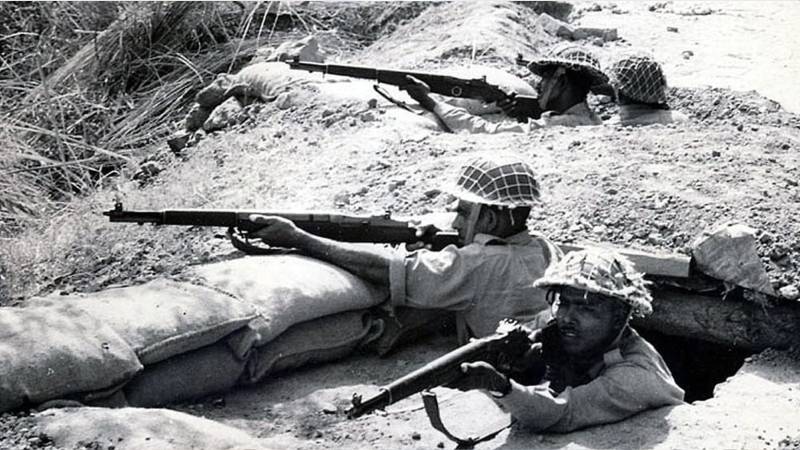
September 6, 1965, will always be remembered as a day of gallantry, sacrifice and national unity. When Indian forces crossed the international border in the darkness of night with the dream of capturing Lahore, they underestimated the spirit of a people and the determination of soldiers who were ready to give everything for their homeland. The war was not only fought on the frontlines with tanks, aircraft and artillery but also in the streets, the homes and the hearts of millions of Pakistanis who stood shoulder to shoulder with their armed forces. The courage of our soldiers, many of whom embraced martyrdom, and the unity of a young nation became the shield that safeguarded Pakistan.
That unity was not limited to soldiers in trenches. Ordinary citizens came out in support, offering whatever they could. Poets and writers lifted morale through their words, singers on radio turned into warriors of spirit, and the common man felt personally responsible for defending the motherland. It was this coming together of the people and the armed forces that turned the tide of war. September 6 symbolises that when a nation stands united, no external force can break it.
This lesson of unity was not confined to 1965. The same resolve was witnessed during later hostilities with India, including the post-Pahalgam conflict, when tensions were high and the threat of escalation was real. Once again, Pakistan demonstrated resilience and cohesion. The soldiers on the front showed the same courage, and the people behind them displayed the same resolve. These experiences proved that the essence of national defence lies not only in weaponry and tactics but in the collective will of a people to protect their sovereignty.
But the world has changed. Today, Pakistan does not face only conventional threats of tanks and aircraft. The battlefields have shifted into the age of hybrid warfare. Our adversaries now use misinformation, disinformation, propaganda, cyberattacks, economic pressure and political exploitation to weaken us from within. The aim is not to defeat us through invasion but to divide us internally, create mistrust among institutions, spread despondency in the people, and erode the confidence that binds a nation together. This is the war of our times, and it is just as dangerous as the tanks that rolled towards Lahore in 1965.
If we remain divided, hybrid warfare will achieve what conventional warfare never could
Hybrid warfare operates in shadows. It does not declare itself openly. It comes through fake news spreading on social media, through narratives designed to sow confusion, through attempts to question the credibility of our armed forces and through the exploitation of our internal political differences. It plays on sectarian, ethnic and regional divides to turn us against each other. It undermines our economy by influencing markets and trade. The danger lies in the fact that many citizens may not even realise they are part of this battle until the damage is done.
If 1965 teaches us anything, it is that unity is the ultimate defence. Just as the people then stood with the army, today we need to stand united against hybrid threats. Our soldiers will continue to guard our borders, but it is the responsibility of citizens to guard our minds and hearts. We must learn to question information, verify news before sharing, and resist attempts to be manipulated by external actors. Responsible use of media, strengthening of national narratives, and an awareness of hybrid tactics are as essential today as tanks and aircraft were in the past.
At the same time, we must realise that strengthening defence in the modern age requires more than military preparedness. It demands societal cohesion, political maturity and trust in institutions. When we are divided, we become vulnerable, but when we are united, no force can harm us. Education, equal opportunities, fair distribution of resources and justice in society are also part of national defence because they strengthen the bond between people and the state. An educated and empowered population is far harder to mislead or divide.
The role of the media is crucial. In 1965, the voice of Radio Pakistan was enough to lift spirits and strengthen resolve. Today, the media landscape is much larger and more fragmented. It can either be a weapon for the enemy or a shield for the nation. The responsibility lies with journalists, editors and media houses to understand that freedom of expression comes with the duty to protect national interests, especially during times of conflict. Our intellectuals, writers and artists must once again play their part in creating unity and strengthening the resolve of the people.
September 6 must not only remain a commemoration of the past but a reminder for the present. We remember the martyrs who laid down their lives, the soldiers who stood firm against aggression and the people who showed resilience. But we must also adapt those values to the realities of today. Courage, sacrifice and unity are timeless strengths, but their application must evolve with changing threats. If we remain divided, hybrid warfare will achieve what conventional warfare never could. If we remain united, Pakistan will continue to stand strong in the face of every challenge.
The real tribute to September 6 is not in parades or ceremonies alone but in living by the lesson it gives us. The unity of 1965 must be rediscovered and applied today in our schools, our workplaces, our politics and our media. Only then can we claim to honour the sacrifices of our martyrs. Only then can we say that the spirit of September 6 is alive.