

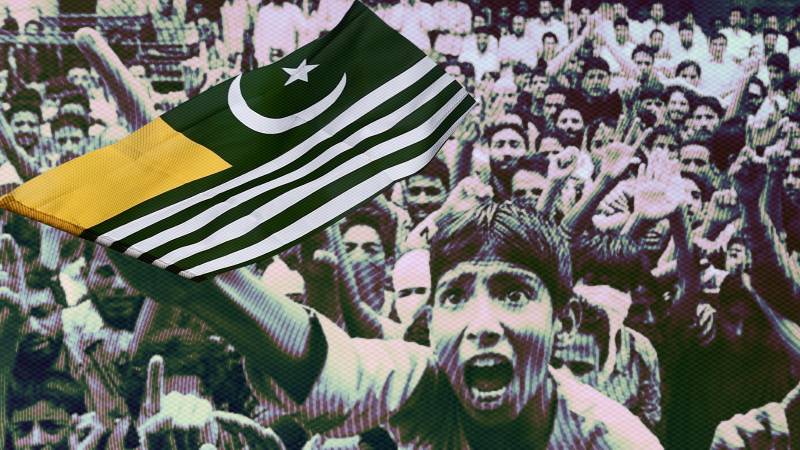
Snow-capped mountains, lush valleys, fragrant tea gardens, vibrant flowers, and the exquisite handwoven shawls that travellers and admirers in the West cherish. This is the Kashmir the world knows. But behind the postcard-perfect landscapes lies a region grappling with real challenges, and its future depends on more than just its natural beauty. It rests with the young people who call it home. Youth aren’t just the majority demographic; they are the bridge between uncertainty today and the possibility of lasting peace tomorrow. Their experiences, frustrations, and aspirations will shape the region far more than any diplomatic negotiation or security strategy ever could.
Across the Line of Control, young Kashmiris face strikingly similar hurdles. Economic instability limits opportunities. Civic spaces feel constrained. Education is frequently disrupted. Even basic digital connectivity, essential in a modern world, is often unreliable. Too often, youth feel spoken about rather than listened to, reduced to simple narratives instead of being recognised in their full complexity. For them, security is more than the absence of conflict. It’s dignity, opportunity, freedom of movement, psychological well-being, and the right to express identity without fear.
In Indian-administered Kashmir, ongoing political uncertainty, communication blackouts, and daily disruptions foster mistrust. Young people feel excluded from the decisions that shape their own lives. In Pakistani-administered Kashmir, limited jobs, fewer higher education options, bureaucratic bottlenecks, and restricted political participation leave youth agency equally constrained. Despite differences in governance, the underlying challenges of economic precarity, lack of opportunity, and a constrained civic voice echo across the region.
Kashmir’s youth carry the memory of conflict. But they also carry the imagination of peace
Yet Kashmiri youth are not defined by struggle alone. Across both sides, they demonstrate resilience, creativity, and a deep commitment to their communities. Start-ups in Srinagar and Muzaffarabad, community learning hubs, climate initiatives, mental health advocacy, volunteer-driven relief networks, and dynamic art movements all showcase a generation determined to build possibilities even in constrained spaces. These contributions are among the most under-recognised assets for peace and development.
Young women add another critical dimension. Across Kashmir, they face layered insecurities: restricted mobility, safety concerns, social expectations, and unequal access to education and work. Any discussion of youth and security that ignores gender risks overlooks half the population and the unique challenges they face.
A forward-looking approach must start by listening to youth directly. Their vision of security is grounded in daily realities, not abstract frameworks. Policies that expand economic opportunity, ensure educational continuity, improve digital access, foster political engagement, and support mental health are essential. And equally important is rebuilding trust through transparency, inclusion, and genuine dialogue.
Ultimately, the stability and prosperity of both Indian- and Pakistani-administered Kashmir will depend on how effectively youth are empowered to shape their own futures. Borders and politics may define the region on maps, but its true direction is determined by those growing up within it. Kashmir’s youth carry the memory of conflict. But they also carry the imagination of peace. Any meaningful path forward must see them not as passive subjects of policy, but as active architects of a more hopeful future.
And as we admire the region from afar, its stunning mountains, fragrant tea gardens, vibrant flowers, and artisanal shawls, we must remember that the beauty we celebrate abroad is inseparable from the lives, dreams, and potential of the young people living there. Their flourishing is not just a moral imperative; it is the key to preserving and nurturing everything we so deeply cherish about Kashmir.