

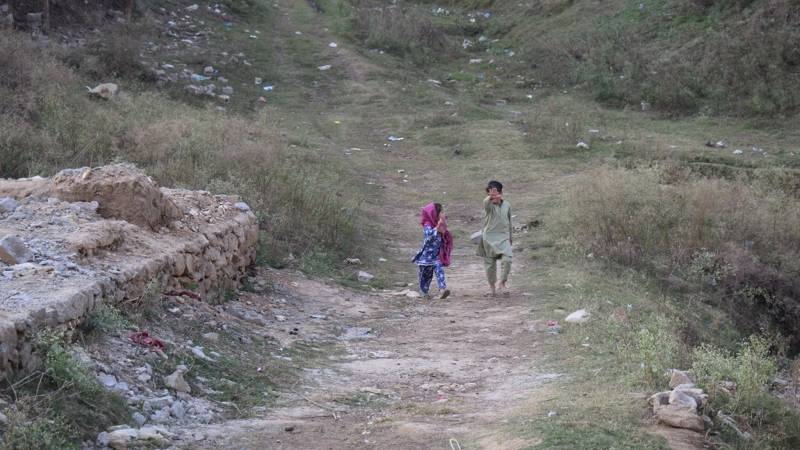
It was a few years ago when I first travelled to Mansehra with friends for a job test. It was late at night, and we stopped at a modest eatery near the Lorry Adda Mansehra at the Pak-Afghan Restaurant. The aroma of rosh, dumpukht or kebab, steaming qahwa, Kabali Pulao and freshly baked naan reminded me of the Afghan restaurants that I used to visit in Peshawar during my college days.
Over time, this small restaurant has become more than just a stop for food; it has become a window into the lives of people caught between two homelands.
Now, in my fifth year of travelling to and from Mansehra, I have come to see how deeply Afghan refugees are woven into the social and economic fabric of the Mansehra district. They work as labourers on construction sites, vendors in the fruit and vegetable mandi, field hands on farmlands, and waiters or cooks in roadside hotels. Many were born here, some educated here, and even speak Hindko or Urdu fluently alongside Pashto. They are a familiar part of daily life and yet, increasingly, they are treated as outsiders.
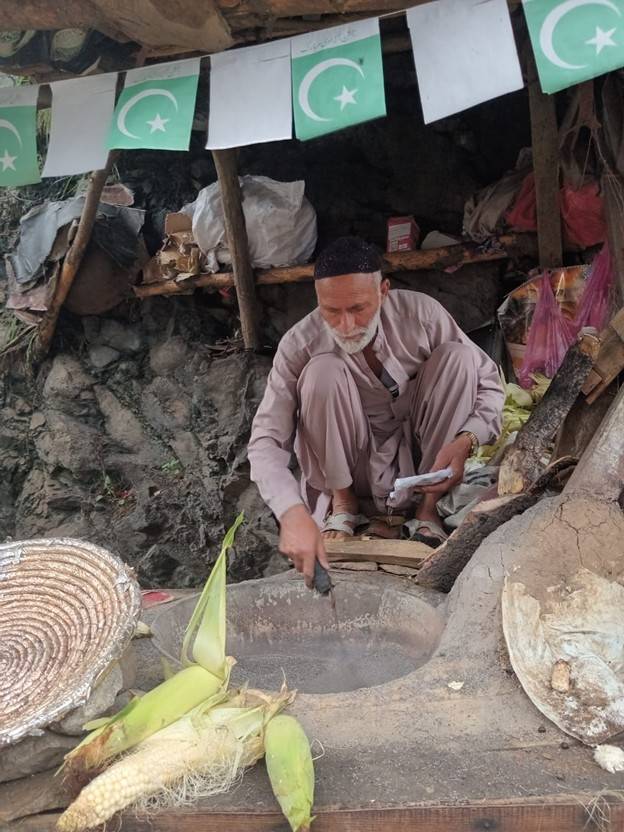
When I first began noticing the Afghan presence in Mansehra, there was a sense of permanence a quiet assumption that they were here to stay. But in the last five years, that sense has begun to erode. The number of refugees has declined visibly, particularly after the Taliban’s return to power in 2021. Since then, relations between Islamabad and Kabul have soured, and Pakistan’s policy toward Afghan refugees has hardened.
Government deadlines for repatriation have multiplied. Refugee camps like Icherian, once alive with small mud houses and tea stalls and small bazaar, are now half-empty or demolished. The few remaining families say they cannot afford to return. The camps have the air of an ending houses collapsing, bazaars shuttered, and graffiti fading from the walls.
Manshera has been home to many Afghans who are strangers in both Pakistan and a Taliban-controlled Afghanistan, trapped in a bureaucratic and existential impasse
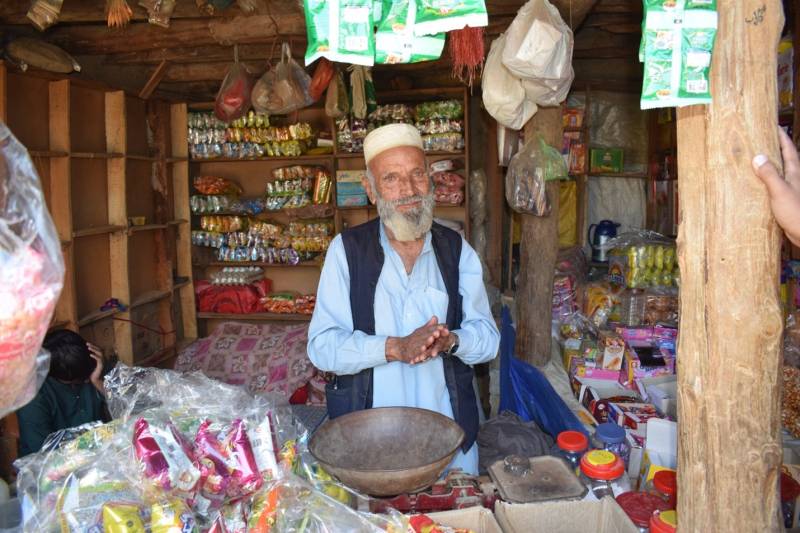
“Every other day, the police visit us,” says Ahmad, a young Afghan who recently came back from Afghanistan after paying nearly five thousand dollars in bribes at the border. “They tell us to leave, but where should we go? In Afghanistan, we are called Pakistanis. Here, we are Afghans. We are strangers in both places.”
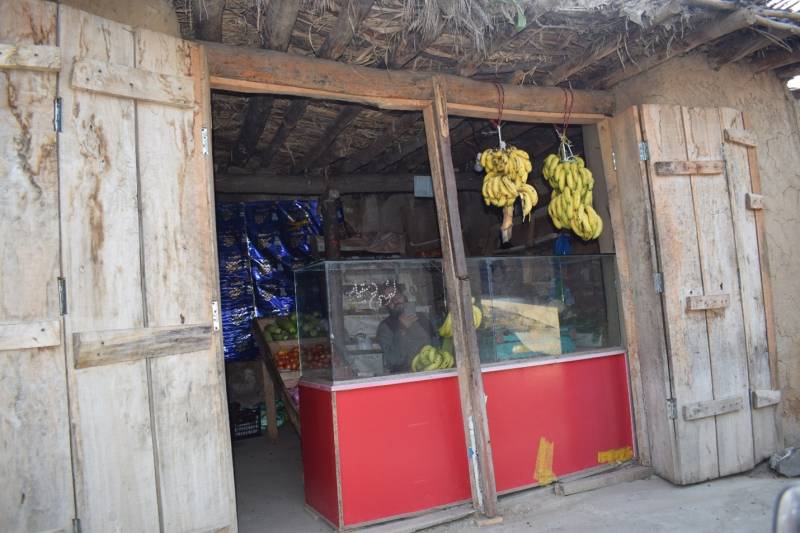
His 80-year-old father, sitting beside him at the shop, adds, “We’ve lived here for decades. We’ve shared funerals, weddings, and meals with locals. My son married a Hindko-speaking woman, and my daughter married a local man. How can we leave our families behind? The government talks about policy, but for us, it’s about survival.”
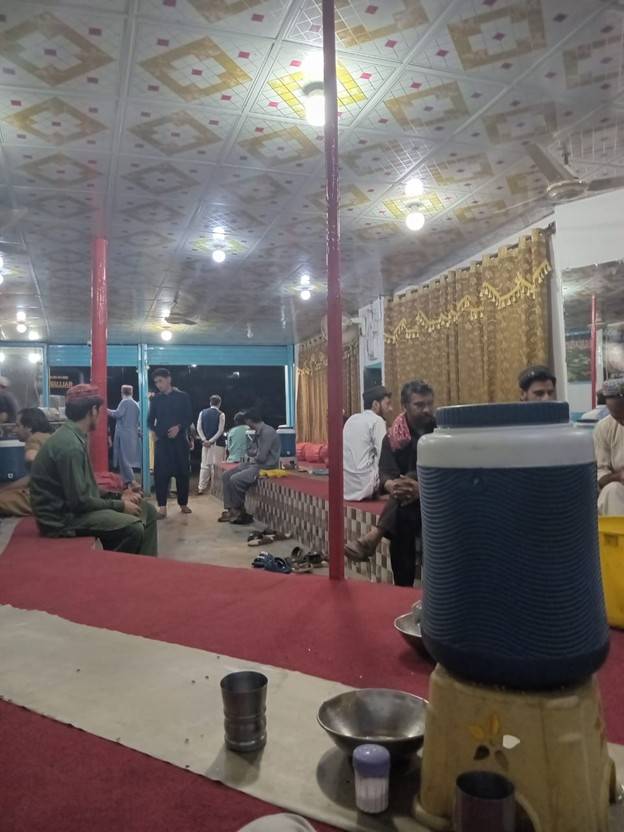
For second- and third-generation Afghans, Pakistan is the only home they know. Many were born in Khyber Pakhtunkhwa, studied in local schools, and spoke local languages and dialects. Yet when they seek formal recognition, they are met with suspicion.
Rehmat, born in Mansehra to a family that migrated here over forty years ago, holds a Pakistani ID card but says it offers little or no comfort now as the situation is dubious. “Those who supported the Taliban have already gone back,” he tells me. “But for people like me educated, not from madrasa backgrounds, Afghanistan is dangerous. There, I am seen as Western-influenced; here, I am seen as an outsider. We live between accusation and fear.”
Others, like Basharat, remain trapped in bureaucratic limbo. Though his father and uncle have Pakistani ID cards, he is still considered a refugee because he once registered under the Proof of Registration (POR) system with intent that he will benefit from it in case of going to Europe or some other foreign country but that did not happen or helped. “When I apply for a national ID, officials ask for attestations from gazetted officers,” he says. “No one agrees to sign and they fear that there will be problems for them thought they know me, and some are my teachers and even relatives. Some demand bribes. I refuse I don’t want to make things worse for my family. But sometimes, I feel there’s no way out not here, not there.”
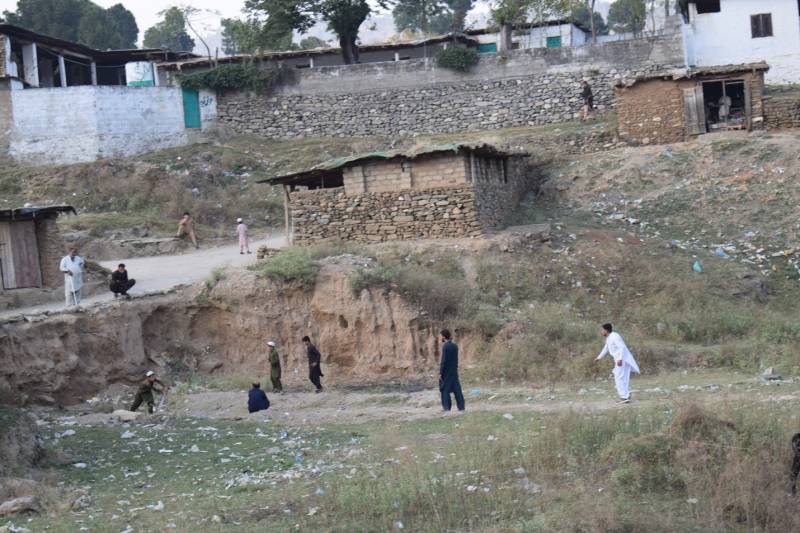
This sense of exclusion carries a deep psychological toll. For many young Afghans born on Pakistani soil, their identity is a paradox belonging everywhere and nowhere at once.
The Afghan presence in Mansehra has also shaped the local economy. For decades, refugees have powered the region’s informal labour market, driving trucks, harvesting crops, repairing vehicles, and running tea stalls and providing cheap labour. Their removal is already creating visible gaps.
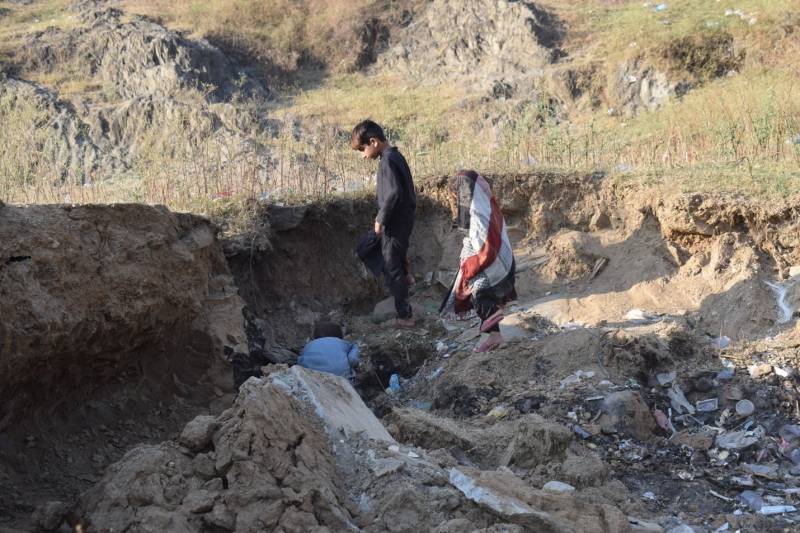
Shafiq, a farmer from a nearby village, acknowledges their contribution. “These Afghans did wonders for our lands,” he says. “They worked from sunrise to sunset, producing three harvests a year. They improved our soil and made farming profitable. Without them, our production will fall. They were not a burden they were our partners.”
Such sentiments are quietly echoed by others. Even those who support the repatriation policy admit that the refugees had become part of local life linguistically, economically, and socially. Their departure leaves a void that no policy can easily fill.
Pakistan’s relationship with Afghanistan has long swung between alliance and hostility. While Islamabad celebrated the U.S. withdrawal in 2021, ties with the Taliban regime soon deteriorated. Issues like TTP infiltration, border tensions, and the Taliban’s growing closeness with India have strained old narratives. In this geopolitical shift, Afghan refugees have become collateral damage symbols of a conflict they did not create.
Officials justify deportations on security grounds, but critics argue that Pakistan bears moral responsibility for the chaos that forced these people into exile. Amid the high-level rhetoric, the human cost remains invisible, families displaced yet again, children uprooted from schools, and entire communities facing uncertainty.
At the Ichriyan camp, Qudrat, a only university student preparing to leave, tells me they sold their home and cattle for half their value. “Even transporters charge double now,” he says. “If we reach the border, we might have to wait for weeks in makeshift camps. No one knows what will happen next.” His words capture the despair of thousands stranded between the politics of two uneasy neighbours.
Back at the Pak-Afghan Restaurant, the evening rush begins. Truck drivers, labourers and madrasah students, child labourers fill the tables. The tea and qahwa is strong, and the conversations bittersweet. Here, the story of displacement becomes tangible in the tired faces, the nervous laughter, and the silence between sentences. They prefer watching either news about themselves Afghan refugees or cricket matches of Afghanistan and Pakistan cricket teams.
As Afghan refugees disappear from Mansehra’s streets and fields, the city will lose more than just workers. It will lose part of its plural spirit, a thread of diversity woven quietly through its everyday life. These refugees, who once added vitality to the markets and muscle to the fields, will leave behind an absence that numbers cannot capture.
It is time for both the government and society to recognise their humanity. They are not mere statistics or policy problems, but people shaped by histories of war and displacement. Their departure will not just mark the end of a refugee chapter it will mark a moral test for us as a nation.