

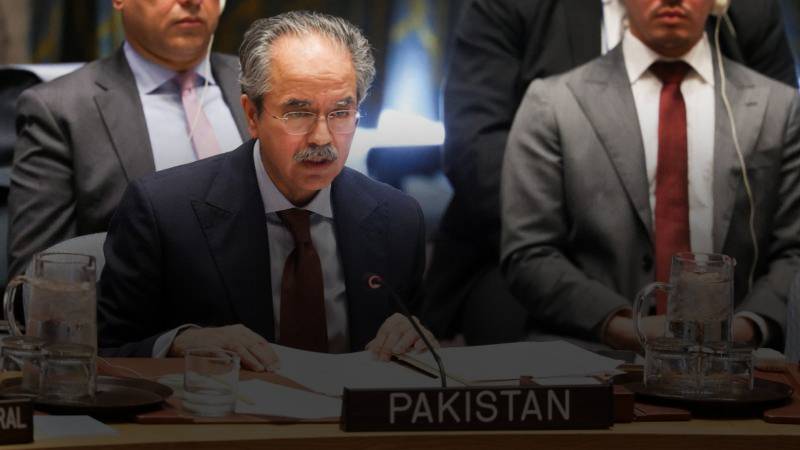
As the year 2025 continues in an increasingly complex geopolitical world, Pakistan takes on the rotating presidency of the United Nations Security Council (UNSC). While largely procedural, this moment is not without significance. In today’s fragmented geopolitical climate, it offers Islamabad a rare opportunity to demonstrate diplomatic maturity, strategic independence, and thoughtful global engagement.
It is a presidency with more symbolism than power, but in diplomacy, symbolism can shape substance. The question is: will Pakistan use this moment to lead for its own sake, or end up serving the agendas of others?
The UNSC presidency rotates monthly and gives each member a chance to chair sessions, set discussion agendas, and manage diplomatic traffic. But within these formal constraints lies room for soft power. A capable presidency can elevate under-discussed issues, lend voice to marginalised regions, and signal how a country sees its role in the world.
Pakistan steps into this position at a time of global flux. Traditional power structures are being tested by the assertiveness of China, the unpredictability of Russia, and the growing agency of the Global South. Meanwhile, multilateral institutions, including the UN itself, face criticism for being slow, outdated, or dominated by the interests of a few.
But this is not Pakistan’s first rodeo. As one of the earliest members of the United Nations and a long-standing contributor to UN peacekeeping missions, Pakistan has earned a reputation as a seasoned and effective multilateral actor. Its diplomats have held key committee chairs, contributed meaningfully to General Assembly debates, and built coalitions across ideological divides. This presidency is not a debut, it is a return to the front of the room at a time when credibility and calm diplomacy are in short supply.
With strong strategic ties to China, alignment with various Global South positions, and long-standing regional entanglements, Pakistan must resist the gravitational pull of geopolitical mimicry
For Pakistan, a country often framed narrowly through its security challenges, this is an opportunity to reset that narrative. It can present itself not as a reactive state, but as a credible diplomatic actor with something constructive to offer global governance.
The true potential of the presidency lies in its power to set the agenda, to define not just what gets talked about, but how, and in what tone. While the Council’s decisions remain subject to the vetoes of its five permanent members, the presidency gives Pakistan the ability to steer conversations, spotlight issues, and inject urgency into discussions that are often stuck in diplomatic inertia.
This is not merely administrative, it is strategic. Pakistan’s ability to frame questions, convene thematic debates, and highlight emerging risks gives it a rare chance to act as a convener, not just a participant. In multilateral diplomacy, controlling the agenda means shaping how global priorities are interpreted, negotiated, and potentially addressed.
This presidency can be a window of opportunity, not in the theatrical sense of grandstanding or confrontation, but in the subtle, methodical work of building consensus, drawing attention to overlooked issues, and reframing global challenges through a broader and more inclusive lens.
But this opportunity also comes with risks. Chief among them is the tendency, seen often in rotating presidencies, to fall into proxy diplomacy, using the platform to amplify the preferences of more powerful allies or regional blocs, rather than leading with an independent vision.
With strong strategic ties to China, alignment with various Global South positions, and long-standing regional entanglements, Pakistan must resist the gravitational pull of geopolitical mimicry. What the world is looking for today is not alignment, it is authentic, middle-power leadership grounded in principle.
The task, then, is to avoid defaulting to rehearsed positions and instead show thought leadership that reflects Pakistan’s own priorities and its potential to act as a bridge-builder between entrenched camps.
Among the areas Pakistan can meaningfully elevate, climate security stands out. As a climate-vulnerable state grappling with severe floods, droughts, and rising temperatures, Pakistan has first-hand insight into how environmental degradation intersects with political instability and resource-based conflict. It is uniquely positioned to draw attention to the climate-security nexus, especially in fragile regions across Africa, Asia, and the Pacific where environmental stress is already compounding existing governance challenges. By placing this issue on the Security Council’s agenda, Pakistan can push for a more proactive international security response to climate-induced risks.
In addition, Pakistan can play a key role in re-energising the conversation around UN peacekeeping and institutional reform. As one of the largest troop-contributing countries to UN missions, Pakistan possesses invaluable operational knowledge about what is working, and what isn’t, in today’s peacekeeping architecture. The presidency allows it to advocate for reforms that ensure peacekeeping is more inclusive, more representative of the Global South, and better equipped to respond to complex, multidimensional conflicts.
Beyond these thematic priorities, Pakistan can also re-centre discussions on conflict prevention, an area that often receives less attention than crisis response. It can encourage the Council to consider long-term structural causes of instability such as inequality, poor governance, and access to basic resources. These aren’t peripheral issues, they are foundational to building sustainable peace.
Symbolically, this presidency allows Pakistan to present itself not just as a regional actor, but as a competent, constructive player in multilateral affairs. It offers a chance to shift the global perception of Pakistan away from the binaries of instability and conflict, and toward its long-standing, yet often under-recognised, role as a contributor to global order.
But symbolism alone is not enough. The real test lies in whether Pakistan can use this short window to move from presence to influence, and from visibility to credibility.
Ultimately, the UNSC presidency is not a throne, it is a window. A brief, high-stakes moment to demonstrate that diplomatic seriousness still matters, that middle powers can lead with quiet conviction, and that consensus-building can be a form of strategic strength.
If Pakistan uses this opportunity to elevate issues that matter, facilitate real dialogue, and avoid the traps of mimicry or politicisation, it will send a powerful signal, not just about its own readiness, but about the ongoing relevance of principled diplomacy.
The world is watching, and more importantly, it is listening.
What will Pakistan choose to say?