

Afghanistan is now at the center of one of the world’s most pressing migration and humanitarian crises. Families are being pushed back across its borders in unprecedented numbers while inside the country natural disasters, health emergencies and economic collapse leave little space for recovery. The return of millions of Afghans from neighboring states in 2025 has collided with the devastation of earthquakes, widespread hunger and the erosion of women’s rights, creating a situation that aid workers describe as unbearable.
The most recent blow came on August 31 when a powerful earthquake shook the east of the country. The 6.0 magnitude tremor flattened homes, killed livestock and displaced thousands of people who had already been struggling to survive. Entire communities were left to sleep outside in the open, fearful of aftershocks and with few supplies to keep them alive as the nights turned cold. For families who had just returned from years abroad, the disaster struck before they had even managed to rebuild a single wall. An aid worker in Kabul described the scene as “crisis on top of crisis,” with families who had already lost everything forced to start over once again.
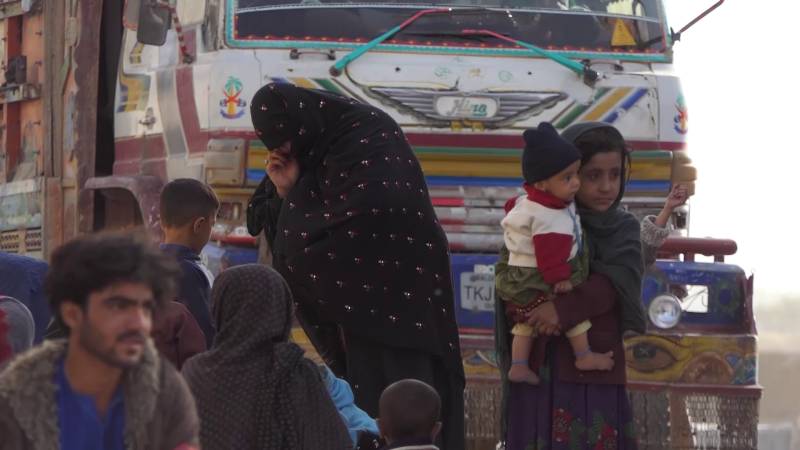
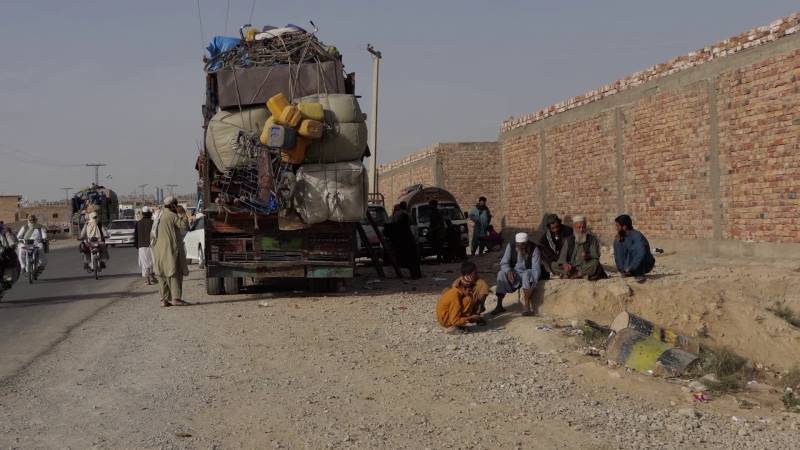
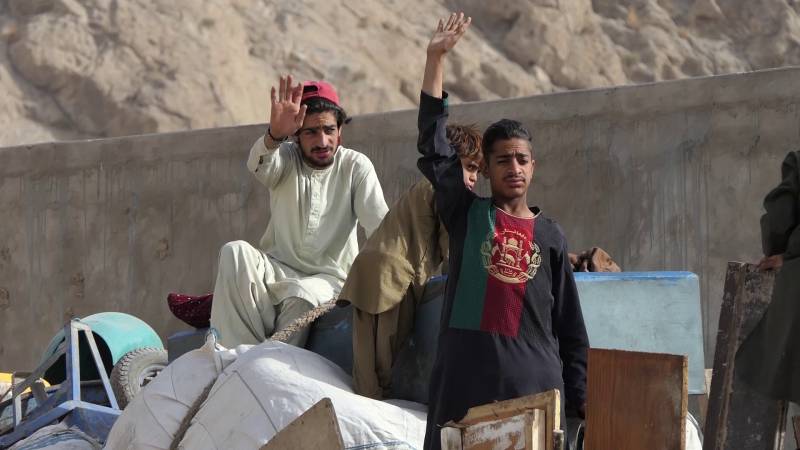
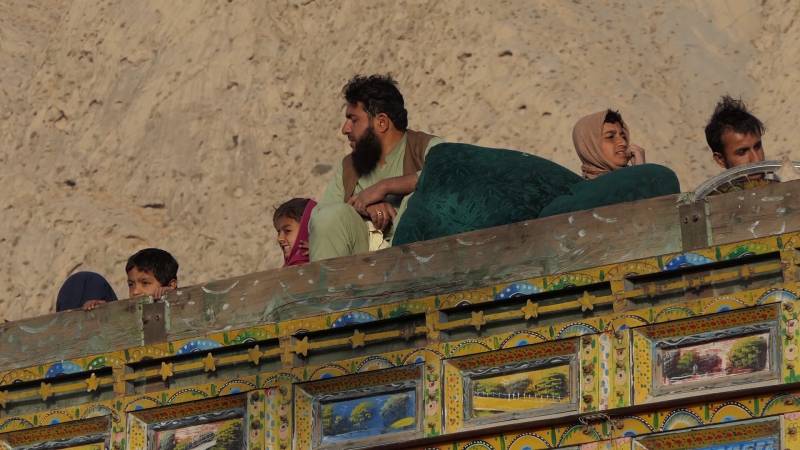
Mass deportations from neighboring countries have poured fuel on this fire. Since the beginning of the year more than 2.8 million Afghans have returned or been expelled. The majority came from Iran, which has deported more than two million people since January. Pakistan has also resumed its “Illegal Foreigners Repatriation Plan,” expelling tens of thousands in recent months. Many of those removed had lived in Pakistan their entire lives, holding Proof of Registration cards that previously gave them legal standing. Others fled Afghanistan decades ago and have now been forced to return to a country that many of their children have never even seen.
The border crossings at Islam Qala and Milak have been scenes of exhaustion and despair. Families arrive after long journeys with almost nothing in their possession. IOM staff report days when up to 30,000 people cross back into Afghanistan, five times more than the usual flow. Yet aid groups are able to assist only a fraction of those arriving. On days of peak pressure fewer than three percent of undocumented returnees receive immediate help due to a lack of funding and staff. Amy Pope, Director General of IOM, said the situation is unsustainable.

“These families are arriving with nothing but the clothes on their backs, exhausted and in urgent need of food, medical care and support,” she said. “The scale of returns is deeply alarming and demands a stronger and more immediate international response.”
Human rights experts have warned that the expulsions may violate international law. In July a group of UN-appointed experts urged Pakistan to suspend deportations and reminded states that the principle of non-refoulement, which prohibits sending people back to a place where they risk persecution, is binding under international law. They pointed to a 2023 UNHCR report that made clear Afghanistan is not safe for forced returns.
Women and girls in particular face severe restrictions that strip them of basic rights including education, employment and freedom of movement. For many female-headed households, deportation has meant not only the loss of shelter and livelihood but also exposure to harassment and abuse on the journey back.
At border points, UNHCR has collected testimonies from women who described being detained, extorted or forced to pay bribes before being loaded onto trucks. Families told of splitting up to avoid detention, with fathers sent separately and mothers left to cross with children. A returnee in Nangarhar explained that her husband had been taken by police and she had no idea if he would ever be released. Aid agencies have stressed that these accounts are not isolated. Community consultations in returnee-heavy provinces such as Kandahar, Herat and Nangarhar confirm widespread insecurity for women and urgent demands for education and livelihoods that cannot be met under current conditions.
UN Spokesperson Stephane Dujarric says, “This is an issue we have taken up with the Pakistani and Iranian authorities, with efforts being led by the High Commissioner for Refugees. Given the current situation in Afghanistan, we call on the countries that have generously hosted large numbers of Afghans to continue their generosity and not force anyone to return to a homeland in deep crisis, especially in the aftermath of the recent earthquake.”
The scale of humanitarian need inside Afghanistan is already vast. Nearly half of the country’s 40 million people require some form of assistance. More than twelve million children live in circumstances of acute vulnerability. Hunger levels remain severe, with the World Food Programme warning of major shortfalls in food stocks as winter approaches. Child malnutrition is among the most alarming indicators. Nearly sixty-three thousand children were admitted for treatment of severe wasting in August alone, and more than 857,000 under the age of five are expected to need treatment this year. At overstretched clinics, mothers arrive daily with infants too weak to cry.
At the same time outbreaks of disease continue to spread. Since the start of 2025, Afghanistan has recorded more than 106,000 cases of acute watery diarrhea, causing at least fifty deaths, more than half of them children. Cholera treatment centers have been opened in several provinces and oral rehydration points expanded to more than 2,400 facilities, but the numbers keep climbing. In an effort to prevent further outbreaks UNICEF vaccinated 152,000 children against measles in August, yet health officials say resources are insufficient to keep up.
Despite the scale of suffering, international support has lagged. As of August, the UN’s $2.42 billion appeal for Afghanistan was only 28 percent funded. UNICEF’s own $1.2 billion appeal stood at just 51 percent. That leaves critical gaps in areas such as nutrition, water and sanitation and gender services. Aid workers on the ground warn that every dollar lost translates directly into lives lost. “Every shortfall means children dying of hunger or preventable disease,” said a UNICEF representative.
Detailed data from UNHCR reveals the scale of the migration emergency. Since September 2023, more than 470,000 Afghans have been assisted to return. This year alone more than 351,000 have returned under formal or voluntary frameworks. The demographics paint a stark picture: nearly 80 percent of those assisted are women and children, and almost one in three returnee households is headed by a woman. Children under the age of 17 make up the largest group of returnees, followed by adults aged 18 to 59. Only around two percent are over 60, underscoring the young profile of those forced back.
Documentation records show the complexity of the return process. Among men, 3,548 held PoR cards while nearly 5,000 were registered under separate PoR documentation. Some 332 men required protection referral. Among women, 3,595 held PoR cards while more than 5,500 were registered as PoR returnees. Almost 500 required protection referrals. Altogether more than 10,700 individuals returned under Voluntary Repatriation Frameworks, highlighting the heavy reliance on these systems even as deportations increase.
Where these families go once they cross into Afghanistan reflects shifting political and economic pressures. In one week of September the top five destination provinces were Balkh, Baghlan, Nangarhar, Kunduz and Kabul. Balkh alone accounted for nearly a third of all returns. These settlement patterns change month by month as border policies shift, local conditions fluctuate and families move again in search of safety or work.

Between January and June of this year humanitarian partners reached 11.5 million Afghans with at least one form of assistance. More than eight million received food and livelihood support, four million received health care and a similar number gained access to water and sanitation. Some 702,000 children were able to attend community-based classes. Even so, the gaps remain enormous. In the same period IOM was able to assist 265,888 undocumented returnees with post-arrival support and medical care, while UNHCR provided protection services to 179,000. These numbers are significant but far below what is needed. On days when the borders overflow with arrivals, as many as 97 percent of returnees receive no immediate assistance at all.
The crisis has prompted renewed debate at the United Nations about how the international community manages migration. Speaking during the General Assembly in New York, IOM’s Director General argued that migration must be seen not only as a challenge but also as a potential driver of development. “No country can manage migration alone,” she said. “Stronger international cooperation is essential to protect people, safeguard rights and recognize the possibilities of human mobility.”
The UN High Commissioner for Refugees echoed that message after a July visit to Afghanistan. Meeting with returnees at the Islam Qala crossing, he stressed the importance of providing both emergency assistance and long-term reintegration support. Without that dual approach, he warned, families would be trapped in cycles of displacement and poverty.
Behind every statistic lies a personal story of loss and struggle. Mothers arriving with children often tell of fathers detained or separated during deportation. Children who grew up in Pakistan or Iran now find themselves in villages they have never known, without access to schools. Women who once worked in host countries return to a homeland where employment is barred to them. A humanitarian worker described the toll in blunt terms: “We are watching a generation grow up without education, families without safety and women without rights. Unless something changes, Afghanistan’s next generation will be lost.”

The urgency of the situation is heightened by the approaching winter. In remote provinces families are already beginning to stockpile firewood and food, but many returnees have nothing to fall back on. Tents provided at border crossings cannot withstand heavy snow. Aid agencies fear a repeat of previous winters when families froze to death in makeshift shelters.
Afghanistan today stands at a crossroads. The mass returns from neighboring countries have placed enormous pressure on already fragile communities. Earthquakes and disease outbreaks add to the strain. The lack of international funding has left aid agencies unable to meet even half of the needs they face. The world now must decide whether to allow the crisis to deepen or to step up with the resources and cooperation required. As one UN official put it, “Afghanistan cannot manage this alone. The consequences of inaction will not stop at its borders.”