

This incident happened thirty years ago.
In American hospitals, the operation theatres are totally secluded from the rest of the hospital. It is a world where surgeons, anaesthesiologist, nurses, surgical technicians and others theatre workers share this sanctum sanctorum.
Most operation theatres also have a lounge where between cases the staff including surgeons take coffee breaks and enjoy whatever snacks are available on a particular day. The nurses and surgical technicians bring these snacks on their own.
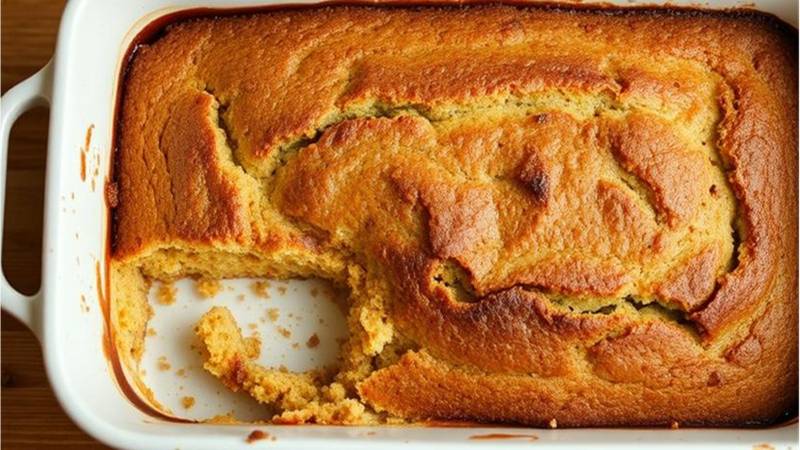
On that day, while waiting for my next operation, I went to the lounge to grab a cup of coffee. There on the snack table, I saw a half pan of pound-cake. The other half had already been consumed. Pound cake being my weakness, I took a spoon and started scraping residue of the cake from the pan. A nurse came in the lounge and questioned as to why I was scraping the empty half of the pan, rather than helping myself with the cake itself.
It was an Arabian Nights moment. Most stories in that classic start when one-character questions another character about a certain situation and a thread of story within a story begins.
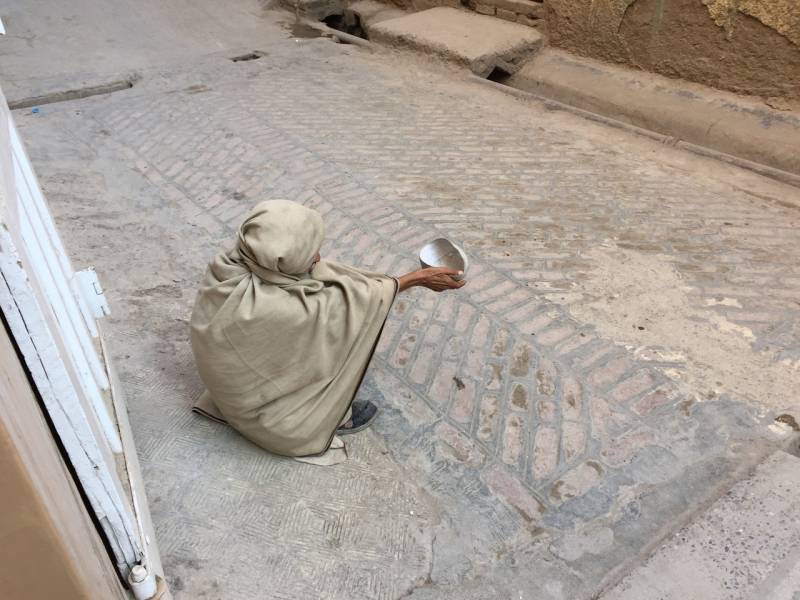
I grew up in a lower middle-class family in Peshawar. With the sudden death in 1944 of my father, a high-level government official, the family slid down a few rungs on the economic ladder and our three-square meals became lean and less square. But the age-old custom of hospitality did not change. Guests were entertained with proper tea service and a pound cake and other delicacies.
In so many ways, my story was that of the poet Ibn Insha, who wrote a poem that illustrates the periods of deprivation and affluence in one's life
The cake that I remember was a medium-sized round cake in the shape of a nomad’s round yurt and a dome. It was covered at the bottom and around the sides with thick confectionary paper. The top, like a round mountain top was bare. When the guests were done with the tea service, the only thing left was the paper that wrapped the cake. We would snatch the paper and would painstakingly scrape the paper for tiny, small pieces of cake that had stuck to the paper during baking. We could hardly mine a teaspoon or two for our effort. But that was enough to tingle our taste buds.
I told the story to the nurse in the surgery lounge, and she looked sad. She said she had no idea I grew up in abject poverty.
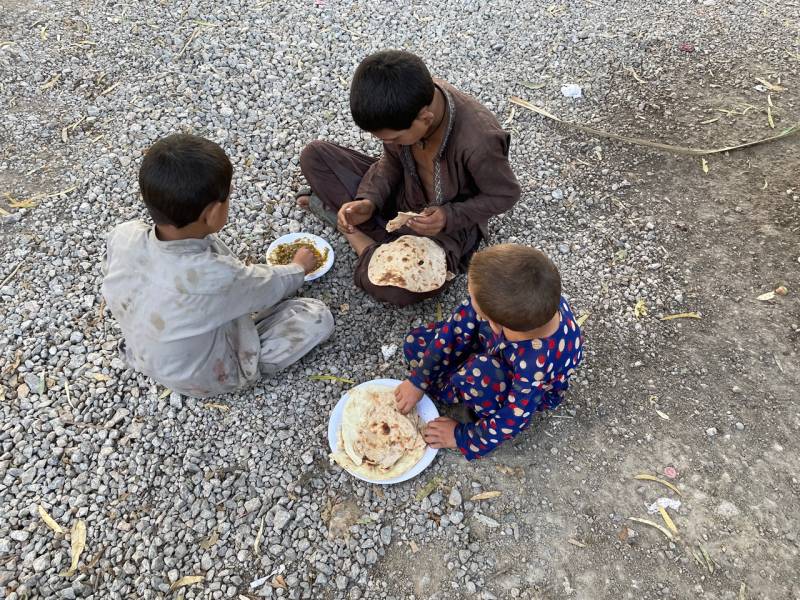
In all honesty, I did not grow up in abject poverty. Compared to some people in Africa or living in our own town, we were rather well-off. We had adequate food, clothes to cover our bodies and a roof over our heads.
In so many ways, my story was that of the poet Ibn Insha (1927-1978) who wrote the following short poem, which illustrates the periods of deprivation and affluence in the life of one person.
ایک چھو ٹا سا لڑکا تھا میں جن دنوں
ایک میلے میں پہنچا. ہمکتا ہوا
دل ایک ایک شے پہ مچلتا میرا
جیب خالی تھی کحچھ مول نہ لے سکا
خیر محرومیوں کے وہ دن تو گۓ
آج میلہ لگا ہے اسی شان سے
آج چاہوں تو ایک اک دکان مول لوں
آج چاہوں تو سارا جہان مول لوں
نارسائ کا دل میں وہ دہڑکا نہیں
پر وہ چھوٹا سا الہڑ لڑکا نہیں
(When I was a small lad, with great expectations I went to a fair. I wanted to have so many things, but my pocket was empty, and I couldn’t buy anything.
Now that those days of deprivation are in the past, the fair is still attractive and enjoyable. If I wish I could buy every shop in the fair or I could buy the world.
I don’t have the feeling of deprivation in my heart, but I am not that carefree young boy anymore.)
Charles Lamb (1775-1834) was an English writer and essayist. His famous essay Old China illustrates the general sentiments that Ibn Insha expressed in his poem. In the essay Lamb and his sister recall fondly when Charles wore a threadbare suit but could not afford a new one. And how they used to buy the cheapest tickets to the theatre and would stand in the pit of the theatre to watch the play. But now that they are well off, buying expensive theatre ticket did not bring the joy they once enjoyed.
I think the Lambs were recalling my version of scraping crumbs off the pound cake’s wrapping.
The United States is the richest country in the world. One would think that with such affluence there would be very little poverty in the country. But numbers tell a different story. In America 11.5% (almost 38 million) are below the poverty level. There is scarcity amidst plenty.
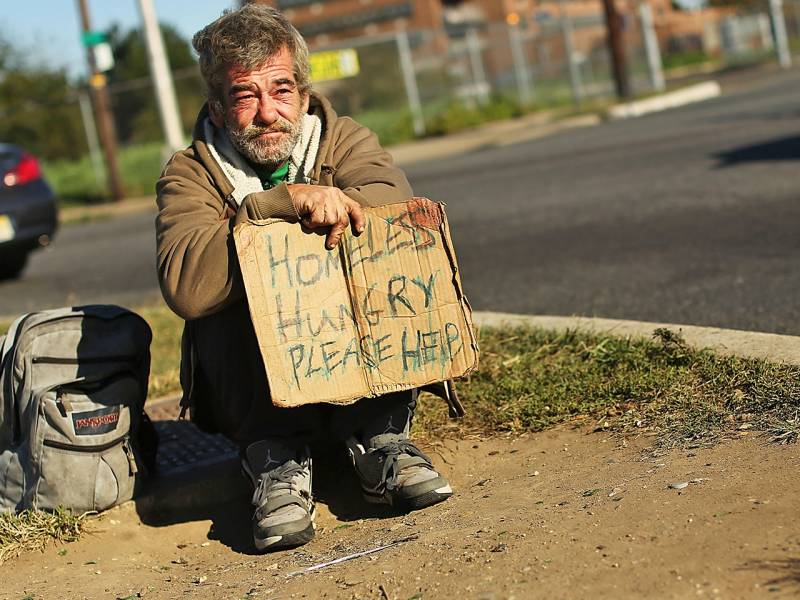
There are men, women, and children who go to bed hungry. It is mind boggling for many people outside the US to imagine such poverty in America.
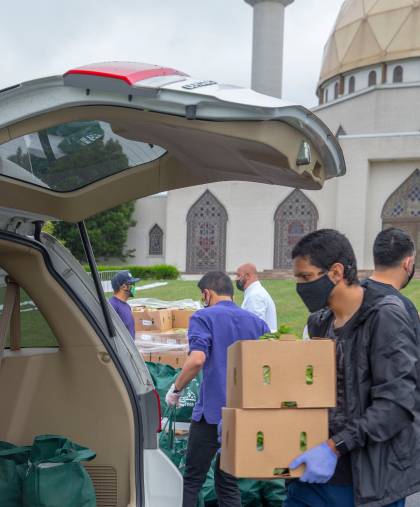
Many years ago, the Islamic Centre of Greater Toledo realised the need in Toledo area and initiated a program to ameliorate hunger in our city. An Islamic Food Bank was set up in 2008 under the supervision of Dr Razi Rafeeq, one of the past presidents of the Centre and a thoughtful and compassionate humanitarian. The Bank has grown over the years and now distribute food all year around to the needy. Until two years ago the Bank had distributed food worth 1.2 million dollars. A great majority of recipients are not Muslim. I must add that there are many other Islamic Food Banks in the US doing the same thing. And, free clinics for the poor supported by mostly Muslim doctors.
On the global level there are more than 700 million people (10% of world population) that are below the level of poverty. The United Nations defines poverty someone earns less than $1.90 a day or in Pakistani terms a little more that Rs 500 a day.
Now a man-made catastrophe is unfolding in Gaza where people are being tossed around the strip at the whim of Israeli Prime Minister Banjamin Netanyahu and his American accomplices. One can only imagine the devastation and food scarcity has this cruel war has wrought on the unfortunate people of Gaza.
A few years ago, while on a trip to the Dominican Republic, I saw an impressive scene on a beach one early morning. Incidentally the Dominican Republic occupies the eastern half of the Hispaniola Island. Its western part is Haiti, an impoverished politically unstable country where poverty is rampant.
Set on the beach was a breakfast table for two. An attendant waited a respectable distance from the table to attend to young couple’s wishes.

On the same island, perhaps less than a hundred miles away to the west, were people eating mud cookies to satisfy their hunger. They mix a little salt and cooking oil with mud and make patties. The natives call them mud cookies.
I could not comprehend a beachside breakfast luxurious table for two and mud cookies on the same island.
When I compare the poverty of my family with others, I realise: cake crumbs aside, we were definitely better off than many people in the world. Poverty is a relative term. It is a spectrum. My family’s slide on the economic ladder, Charles Lamb’s tattered suit and cheap theatre tickets and some Toledo children going to bed hungry is connected through an invisible thread of scarcity. It is only a matter of degree.