

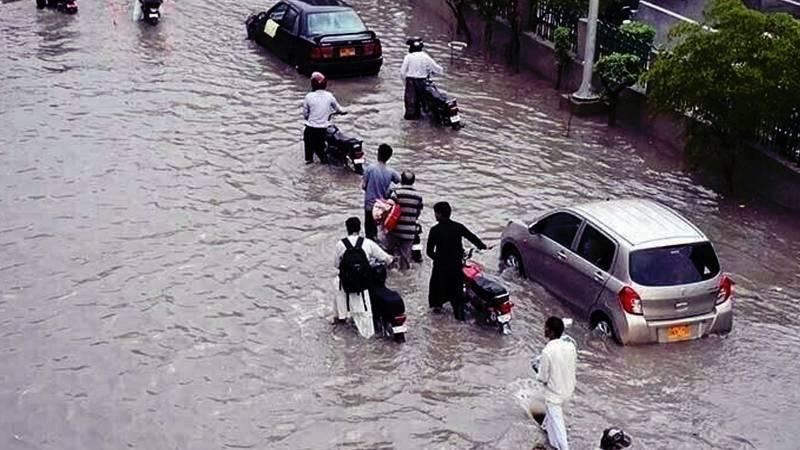
The recent floods that have devastated our land, triggered by waters released from India, have left Punjab in a dire state. Entire villages have been erased from the map, leaving behind a trail of sorrow that words can scarcely capture. The raging waters carried away not only homes, barns, livestock and fields but also hopes, dreams and memories. In a matter of hours, lifetimes of effort, patience and sweat were reduced to ruins. Where once golden fields of wheat swayed in the breeze, there now stretches a wilderness of mud and debris. Where families once gathered at dusk beneath the shade of ancestral trees, silence now hangs—broken only by the cries of the displaced.
The material loss, staggering though it is, cannot compare to the anguish etched on human faces. Fathers with trembling hands sift through the wreckage of their collapsed homes, searching for fragments of their past. Mothers cradle hungry children, masking their own tears with the semblance of strength. The laughter of children has been drowned by their cries, and the elderly, who once narrated stories of resilience, now sit bewildered, staring at horizons blurred by grief.
Beyond the visible destruction lies an invisible storm within the hearts of those who remain. Trauma has settled like a shadow over the survivors. A child who has watched his books float away in the floodwaters will struggle to dream again. A mother who has buried her child will feel the emptiness for the rest of her days. A farmer whose crops are lost will wake each morning to despair, wondering how he will feed his family. And yet, even in this darkness, there is a thread of strength: history has shown that people can endure, rebuild and emerge with new resolve.
The economic implications of this catastrophe are grave. Punjab, the breadbasket of the nation, lies drowned, its fertile soil stripped of its harvest. Granaries that once sustained millions now stand empty. The loss of livestock has crippled a vital source of food and livelihood. Businesses, both small and large, are submerged. Factories, once buzzing with the rhythm of progress, now lie in eerie silence.
Relief must not stop at tents and rations; it must extend into long-term rehabilitation, rebuilding livelihoods, restoring dignity and reviving hope
The already fragile economy of Pakistan staggers under this new burden. Inflation will rise, and the poorest will be crushed under the weight of soaring prices. At such times, unity and compassion are not optional—they are essential. No individual, no province, no institution can face this trial alone. It is only through solidarity and selflessness that Pakistan will stand again.
Calamities such as these strip away illusions of control and remind us of life’s fragility. Our wealth, our homes, our possessions—all are fleeting and vulnerable to forces beyond us. What endures, however, is our response: patience in hardship, gratitude in survival and determination to rebuild. The Qur’an tells us, “Verily, with hardship comes ease” (Surah Ash-Sharh 94:5–6). These words are not an escape from reality but a reminder that no storm lasts forever, and within every trial lies the seed of renewal.
The aftermath of the flood demands more than sympathy—it demands action. Relief must not stop at tents and rations; it must extend into long-term rehabilitation, rebuilding livelihoods, restoring dignity and reviving hope. Those who have lost their homes must not be left to wander without shelter. Those who have lost their fields must not be abandoned to hunger. Those who have lost loved ones must not be left alone with their grief. A nation is measured not by the disasters it suffers but by how it responds to them.
The floods have indeed left scars upon our soil and our souls. Yet the promise of renewal must guide us forward. The floodwaters will recede, the mud will dry, and crops will grow again. More importantly, if we rise together with faith, unity and resolve, the spirit of the nation will emerge stronger than before.
Let history not remember this flood only as a story of destruction. Let it be remembered as a chapter of resilience, of a people who refused to surrender to despair, of a nation that turned grief into resolve. For though homes may crumble and fields may vanish, the soul of Pakistan—anchored in courage, solidarity and faith—shall endure. From the ruins of Punjab can rise not just survival, but renewal.