


Snowfall in rare areas has sparked excitement in Pakistan after dry winters, but officials say ‘record-breaking’ claims are misleading, as climate change fuels late and unpredictable snow and higher disaster risks.
After three consecutive years of record-low snowfall across parts of the Hindu Kush Himalaya (HKH) region, Pakistan this year received snowfall in areas where it had rarely occurred before. While welcomed by many, meteorologists warn that such late and unpredictable events are linked to climate change. Late heavy snowfall is not necessarily a positive sign. A warming climate is driving greater weather variability, leading to intense and unpredictable snowfall, rapid melting, and higher risks of avalanches and landslides, all indicators of an increasingly unstable climate system.
According to the Khyber Pakhtunkhwa (KP) Provincial Disaster Management Authority (PDMA), an avalanche in Lower Chitral killed nine people, including seven children, while 11 deaths were reported across the region from 21 to 26 January during heavy snow and rain.
The Pakistan Meteorological Department (PMD) has clarified that media reports describing the snowfall as “record-breaking” are misleading, noting that overall snowfall levels so far remain below average, reflecting growing weather instability rather than a return to normal seasonal patterns.
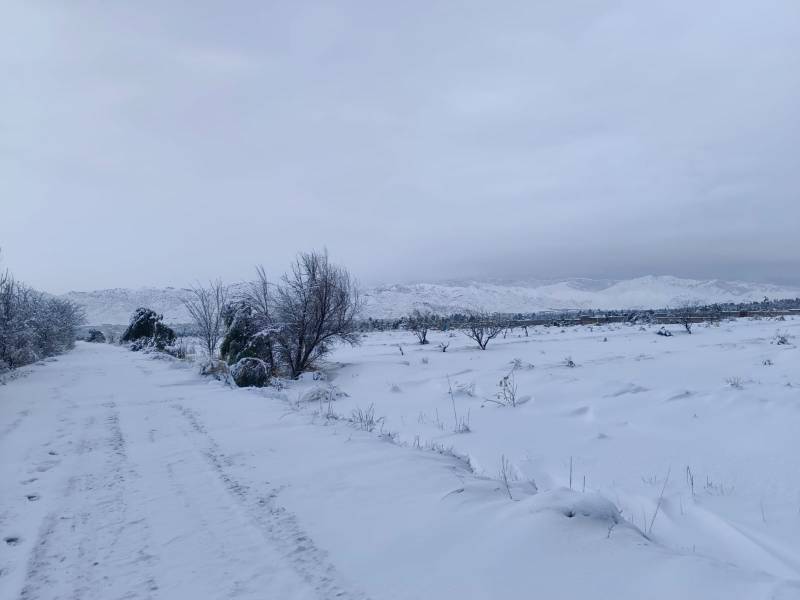
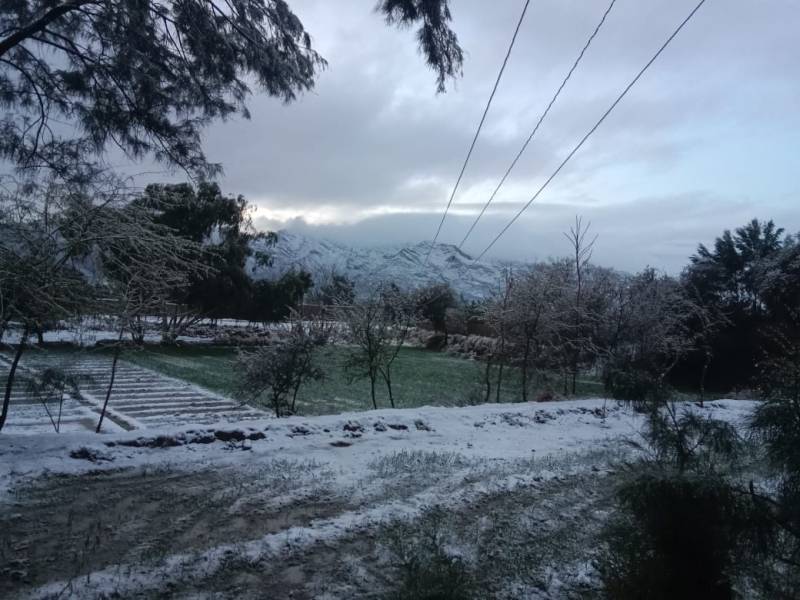
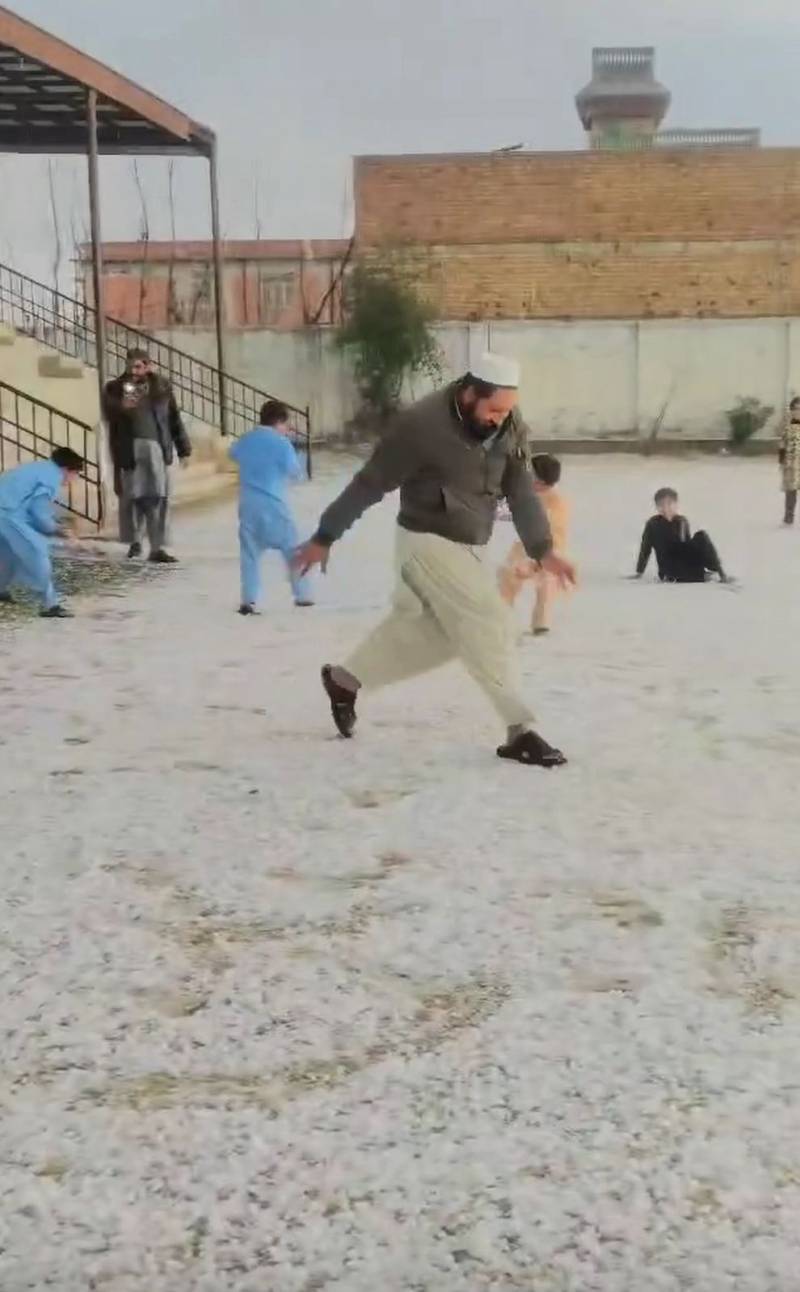
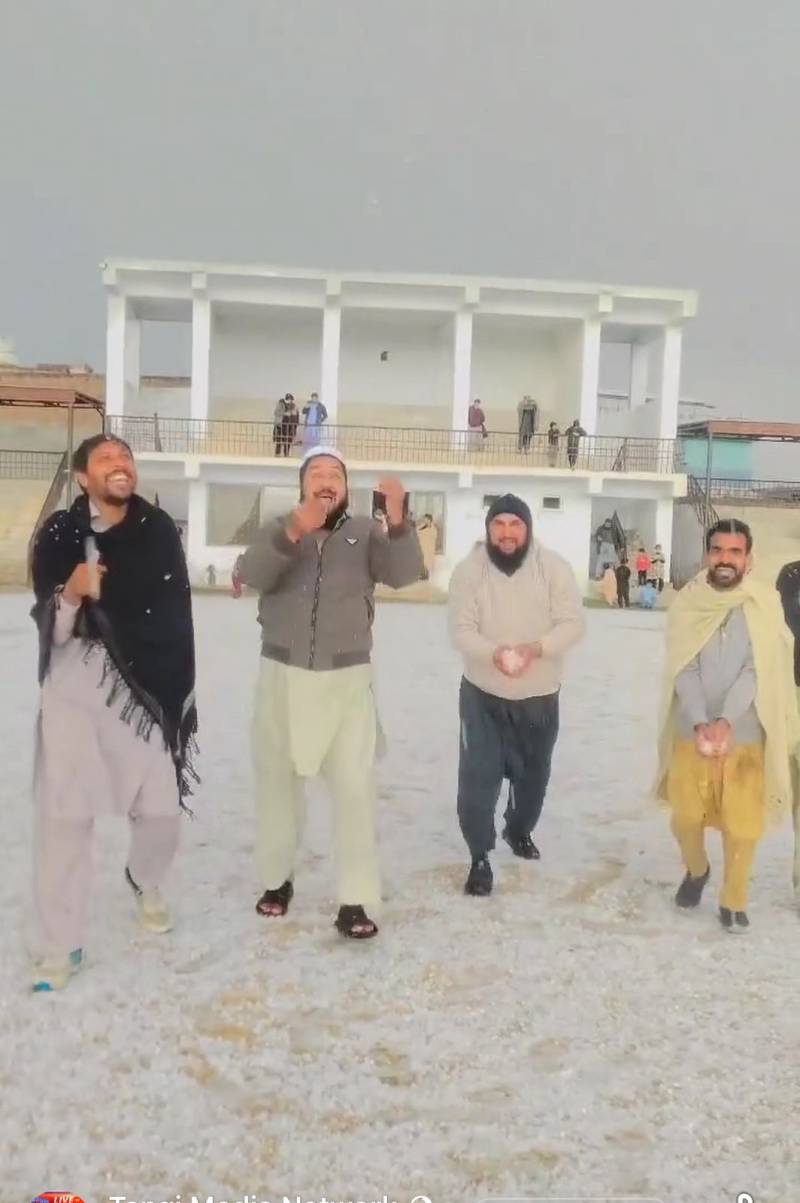
“23 January was a strange morning in my life,” said 40-year-old Jalal Shahzada, an entrepreneur and resident of Tangi village in Charsadda district, recalling the day snowfall began in the morning. “My feelings were mixed. I kept wondering what was happening, and whether this is really climate change,” he told The Friday Times.
Jalal said his surprise deepened when he asked his father about snowfall in Tangi. “He told me that in the past 70 years, he had never witnessed snowfall in this area,” Jalal added. “It raises questions in my mind: should we be happy to see snow at all in my village, or should we be worried that it is the impact of climate change?”
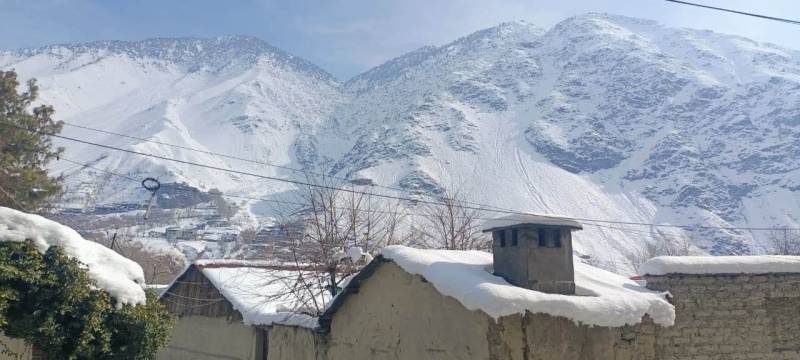
After consecutive dry snow seasons, parts of Khyber Pakhtunkhwa witnessed snowfall this year after gaps of up to 27 years, including areas of the Mohmand tribal district.
“I was in primary school when I saw snowfall for the first time in my village. Nearly 27 years later, snow has fallen again in my village, Chanda, Tehsil Haleemzai, Mohmand District,” said Murad Khan, producer at Radio Pakhtunkhwa Mohmand and an environmental writer, speaking to The Friday Times by phone.
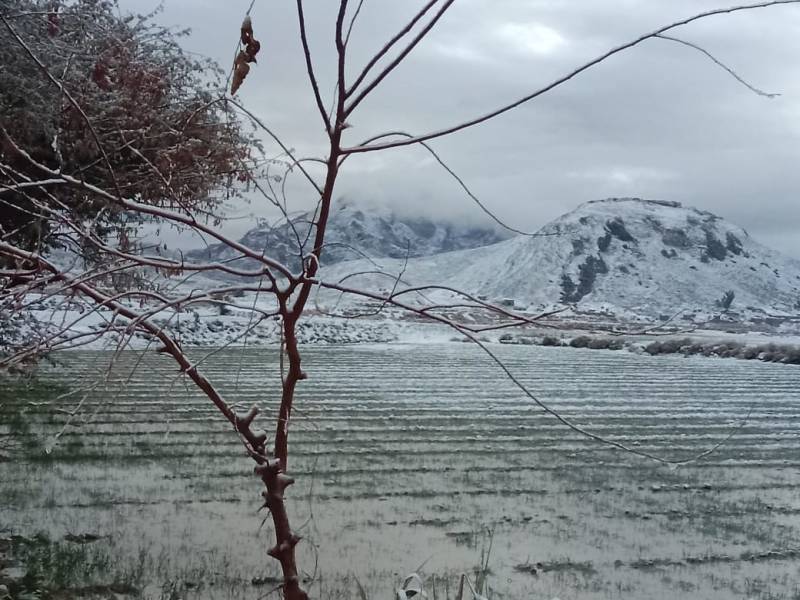
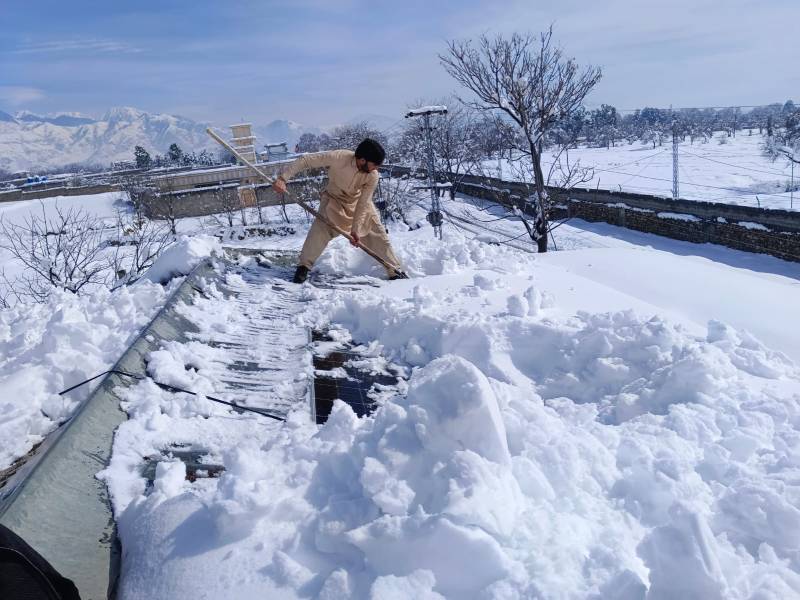
He described the snowfall as a new experience for the younger generation, Gen Z. “I saw they were recording videos and taking selfies,” he said. “When I spoke to elders in the area, they told me that some plain regions had not seen snowfall for 50 years,” he added.
According to Murad Khan, snowfall began a day earlier in Sheikh Baba, Soran Darra, Chamarkand, Chinaray, and Elazay, while the last recorded snowfall in Tehsil Haleemzai, Khwaezi, and Baizai occurred in December 2020. Elderly residents recalled that nearly one foot of snow was recorded in parts of the area in 2001.
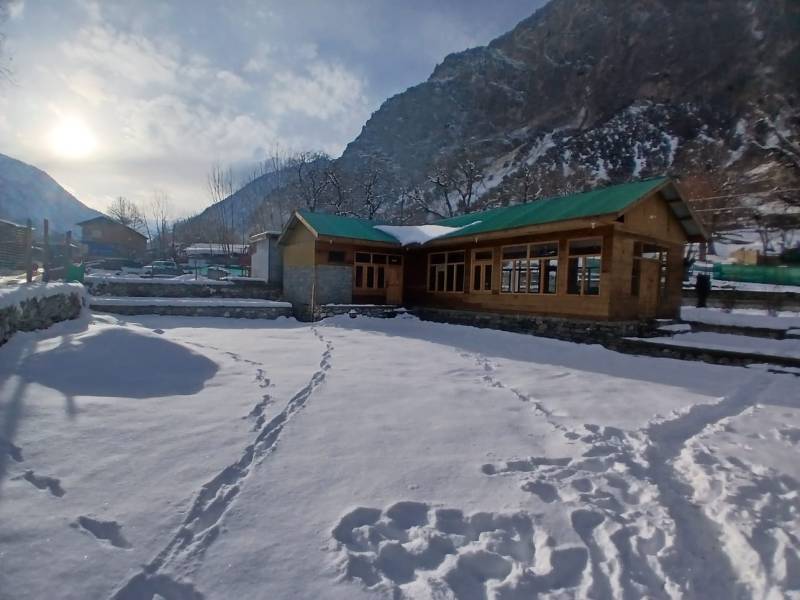
Murad noted that snowfall is common in some mountainous parts of Mohmand District, particularly in the hills of Haleemzai, but added that the harsh impacts of climate change have been observed in recent years, including a steady decline in snowfall.
“People are obviously happy, believing that snowfall will help recharge dried mountain springs and ease water shortages in Mohmand,” he said. “But in my view, such limited snowfall is unlikely to offset the long-term scars of climate change.”
“Media reports about record-breaking snowfall in January are incorrect,” said Dr Shahzada Adnan, Deputy Director at the Pakistan Meteorological Department (PMD).
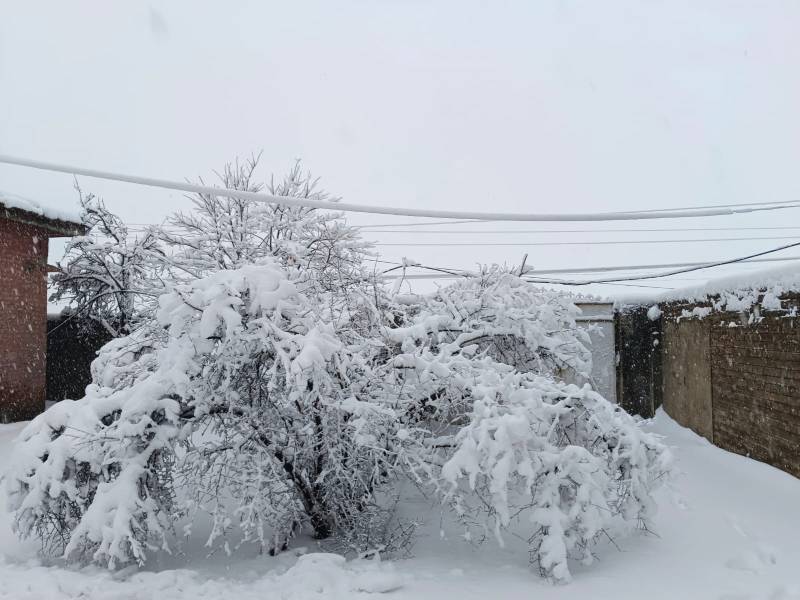
“We have been receiving attractive snowfall since 21 January in Balochistan, upper Khyber Pakhtunkhwa, Gilgit-Baltistan, and Murree, but no records have been broken. These are within the normal range,” said Dr Shahzada Adnan, Deputy Director at the Pakistan Meteorological Department (PMD).
Shahzada added that snowfall has been delayed this year, noting that December received very little snow and there have been no extreme snowfall events so far. “We are observing a slight shift in weather patterns, including snowfall tracks in the mountains of Noshki and Chagai in Balochistan.”
He explained that while Russia recently broke a 100-year snowfall record, the cold air affecting Pakistan is linked to the same Siberian winds entering the region. “However, conditions in Pakistan are not comparable to those extremes,” he added.
Sher Muhammad, Cryosphere Expert at the International Centre for Integrated Mountain Development (ICIMOD), told The Friday Times that Pakistan has received a few extreme snowfall spells in January in the past. This season also remained quite dry through December, with snowfall below normal in most northern areas. The recent late-January snowfall brought a good amount of snow to the mountains in northern Pakistan, but it has not fully covered the deficit caused by the prolonged dry conditions this winter until early January 2026.
“Late-season extreme snowfall is not necessarily a good sign. It can be dangerous because rapid accumulation makes the snowpack unstable and more prone to sudden melting as temperatures rise,” said Sher Muhammad.
He added that a warming climate is increasing weather variability and extremes, leading to intense precipitation events and snowfall in areas where it has been uncommon. Such extreme events create compound risks: reduced snowfall stresses water systems and agriculture, while rapid warming can trigger sudden melt, increasing the likelihood of flash floods, soil erosion, landslides, and avalanches.
“In glacierised catchments, warming accelerates ice loss and makes glacial lakes more prone to outbursts, raising the risk of glacial lake outburst floods (GLOFs) and cascade hazards. Late heavy snowfall can melt quickly, blocking streams and causing downstream flooding. While snowfall may temporarily boost snowpack, it is not necessarily positive,” Sher Muhammad added, noting that climate change drives unpredictable snow, rain-on-snow events, rapid melt, and higher disaster risks.
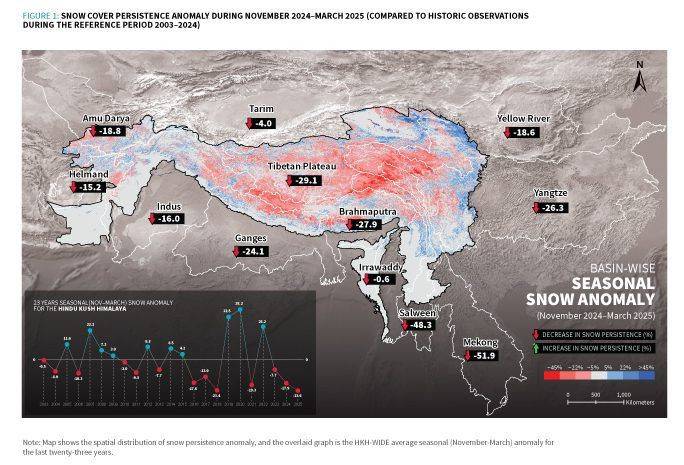
According to the 2025 snow update report by ICIMOD, snowfall in Asia’s Hindu Kush Himalaya (HKH) region has reached its lowest level in 23 years, threatening almost two billion people who depend on snowmelt for water. The report marked the third consecutive year of below-normal snow persistence, with snowfall 23.6% below average, highlighting growing climate volatility rather than long-term recovery.
A recent glacier inventory released by Pakistan’s Ministry of Climate Change states that the country is home to 13,000 glaciers, one of the largest concentrations outside the Polar Regions. However, rising temperatures and shifting snowfall patterns linked to climate change are making these glaciers increasingly vulnerable, heightening the risks of accelerated melt, GLOFs, and downstream water insecurity.
Higher temperatures are accelerating evapotranspiration, drying soils faster and prolonging dry spells unless rain or snow replenishes moisture, Sher Muhammad told The Friday Times. Rising winter temperatures are shifting snowfall to higher elevations and bringing earlier spring melt, causing peak runoff to occur earlier and reducing late-season water availability.
Dr Shahzada warned that low snowfall across the Himalayan and Hindu Kush (HKH) region is dangerous not only for human populations but also for the flora and fauna of the entire region. “Over the past 22 years, Pakistan has seen increasing winter dryness due to climate change, while winter rainfall is shifting towards March and April.”
Rivers such as the Kabul River depend on snowmelt, and increased downstream flows could raise flood risks. Prolonged dry seasons will also negatively impact agriculture, livestock, and wildlife in Pakistan.
“Nearly two billion people and the region’s biodiversity dependent on HKH snow are increasingly at risk,” Dr Shahzada said. “In Pakistan, which is home to a large concentration of glaciers, the threats from climate change, GLOFs, and flooding are rising each year. This makes it essential to strengthen early warning systems and ensure coordinated action among HKH countries to effectively address these growing risks.”