


Late last year, I travelled to London to receive the “Humanity First Leadership & Service Award” organised by Humanity First International.
On my way to Islamabad airport, I passed through the heavy traffic of Rawalpindi. The airport formalities were easily completed, and no sooner had I found myself comfortably seated on British Airways flight 2160 bound for London – Gatwick.
Here, I thanked Allah for the great honour bestowed upon me and prayed for the success of the conference and my presentation about the humanitarian relief operations in Pakistan. This conference was to be attended by over fifty countries in person and around twenty countries online.
As I sat comfortably, a flight attendant approached and greeted me with a big smile: “Good morning, Dr Nuri, can I help you with your bag?” This he did, and I thanked him, “Thank you, thank you very much,” he said. His radiant smile was infectious. Despite being somewhat on the heavier side (pot-belly), he ran around the cabin like a busy bee.
Next to me sat a terrified passenger. The flight attendant took time to calm him by explaining sounds and movements, kneeling, and holding his hand. This was an act of empathy that affected me deeply. Empathy is needed in almost every job, but flight attendants usually have more empathy than others. They are good listeners and are always looking out for each other. I realised that in stressful situations, it is very important to exhibit kindness, think on your feet, and let training kick in.
In the next row was another passenger who was anxious, stressed, and just plain angry. He was calling out aloud. Mr Rob approached him with a smile, listened to him, and spoke calmly. This immediately helped in diffusing the intense situation onboard the aircraft. A disruptive passenger can be problematic. Mr Rob was calm in a stressful situation. He sensed immediately that the passenger got angry and eased the situation amicably.
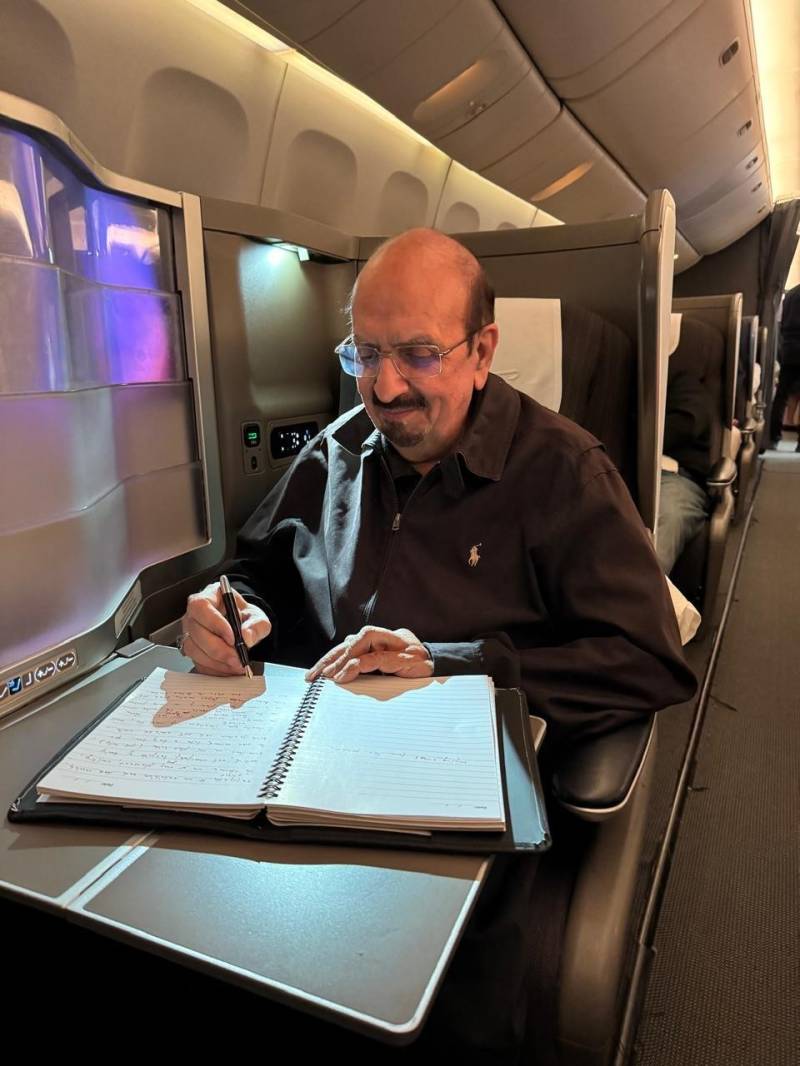
On long flights, like BA 2160 bound for Gatwick-London, I usually resort to journaling. This involves frequent requests for coffee, tea, or snacks, sometimes even asking for paper and pen. Mr Rob was extremely caring and responded to each call with a smile. I realised that a caring attitude is fundamental in every profession. Being patient is a requirement for everyone. Cabin crew members are the faces of the airlines they represent. Their appearance and actions reflect the company’s values and brand.
Never teach a crocodile to floss, because you might lose your arm and you’ll annoy the crocodile anyway
Mr Rob exhibited paramount attention to detail to ensure passengers’ safety. When asked, he said:
“…We are trained professionals, equipped to handle emergencies or medical emergencies that may occur during the flight.”
He further added:
“…Cabin crew need to remain composed, take control of the situation, and reassure the passengers. We have to be proficient in First Aid, which is a must-have cabin crew skill. We ensure all safety procedures before, during, and after the flight as part of our job role.”
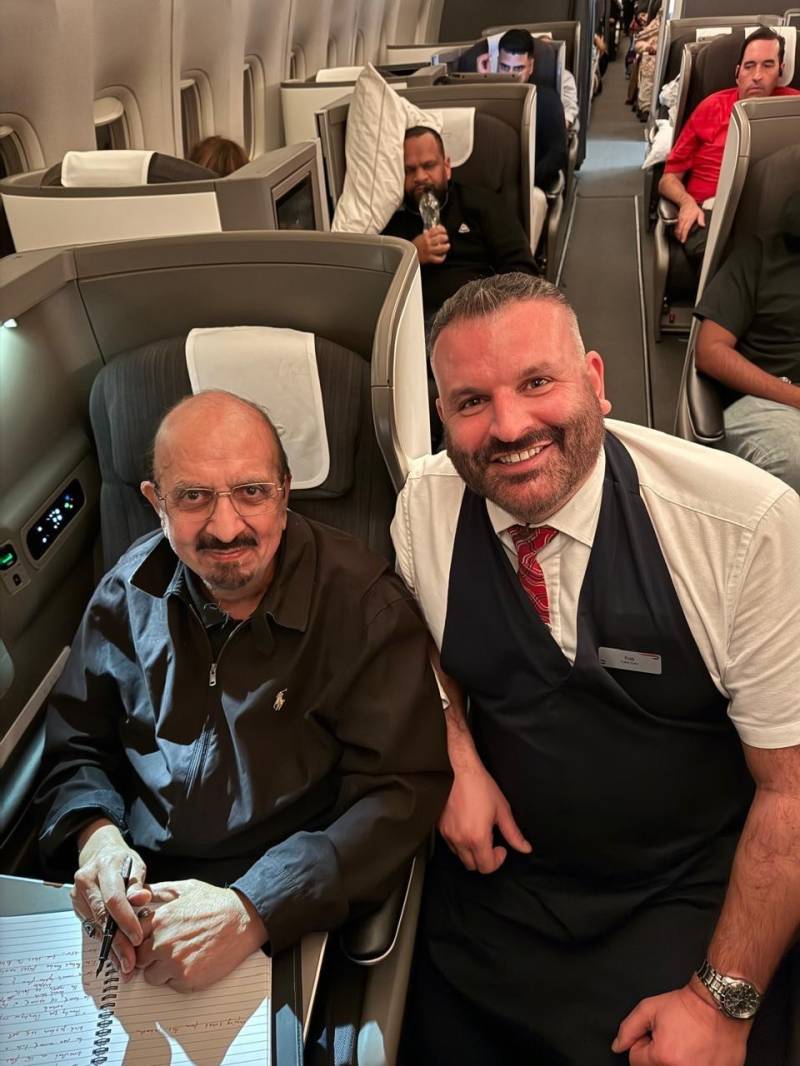
Mr Rob kept running up and down the aisle, and each time he passed by my seat, he looked at me, smiled, and tapped my shoulder. I smiled back and thought what a phenomenally magnetic person he was! In one of his running sprees, I asked him, “Rob, how come you’ve got such a magnetic personality?” He chuckled and said, “I’ll join you in two shakes of a lamb’s tail.” And there he was in a moment, kneeling by my side, he said:
“The first thing out of three things that I’m going to be sharing is that you have to develop self-worth. Self-worth is the number one thing. And one thing that I learned that was most effective to get your self-worth up, because remember, I didn’t like myself, was something called the mirror technique. I have a lovely mirror here. See, you can see all your lovely selves. Look in that mirror and see how beautiful you are, if the light does not reflect and blind you.
And so, this is part one of the three things that you can do. So, the mirror technique is you look in that mirror and say that person is your best person. And you need to tell that person in that mirror you love them.
You have to look at him.”
“Hey, Rob, I love you. You’re fantastic. You’re so wonderful. I love the way your eyes slant. That’s so amazing. Nobody’s eyes slant like that. That mole on your right cheek, that’s a beauty mole.”
He further said:
“I love it. That big stomach there. Yeah, maybe you could lose a few pounds of weight. But you know, I am going to love you. And, you know, if you want to get rid of the weight, I am going to help you. But if you don’t, I am still going to love you.
And I tell you what, I am going to do more than love you. I am going to wake up with you every day and just tell you how much I love you. You’re fantastic, yes, yes, I know.
So you’ve got to not just look at your physical self but your emotional self. And you have to accept yourself the way you are. And this is why looking in the mirror is perhaps a little bit better than self-affirmation.”
He came back and continued:
“So, Dr Nuri, the second thing is to be able to add value to people everywhere you go. I travel all around the world. Now, somewhere in my life, wherever I go, my first mission is to give everyone their five to ten minutes of fame. I ask each person I meet: ‘What are you most passionate about? What makes you wake up in the morning and think, whoa?’
Before I could reply, he asked: “Can I get a selfie with you? Let’s have it so we can see all the lovely audience behind us. Here we go. It’s digital. Three, two, one. Good. Thank you. Thank you, Mr Nuri. Please, please, thank you.”
“Now, when you add value, there are so many great ways to add value to people, but if I could share something, I didn’t ask, ‘What do you do? How old are you? How big is your family?’ None of those questions. I asked him a question: What makes you feel really excited about life? It’s one of the best questions you can ask anyone.
Adding value is a little more than conversation. So the next thing I did when I engaged with him was I didn’t have my phone out while I was talking with him. Over time, I develop a whole set of people that I know. That’s another way of adding value to people, even if you don’t have any value to give.”
After some time, Mr Rob reached me again and said, smilingly:
“I have a phrase which I post on my Facebook: ‘Never teach a crocodile to floss, because you might lose your arm and you’ll annoy the crocodile anyway.’ And the reason for that is that there are some people who, for whatever reason, either don’t like you or are just tolerating you. So you want to be able to walk away from the crocodile.
Sometimes we call them psycho-vampires who just suck you. And you’re just trying to give and help them, and they don’t want it. So you want to be able to recognise those crocodiles and surround yourself with people who just get you. They love your beauty, the mole on your right cheek. They don’t care if you’ve got a few extra pounds on you. They just love you for your personality and who you are.”
So the three things: Mirror technique for self-worth, add value, be an oasis in the storm, and walk away from the crocodile.