

Nitrous oxide (N₂O) is rarely part of the public discourse on climate change, yet its impact on our planet is profound and steadily growing. While carbon dioxide (CO₂) and methane (CH₄) dominate headlines and policy frameworks, N₂O quietly continues to rise in the atmosphere, now posing one of the most significant threats to climate stability, air quality, human health, and food systems.
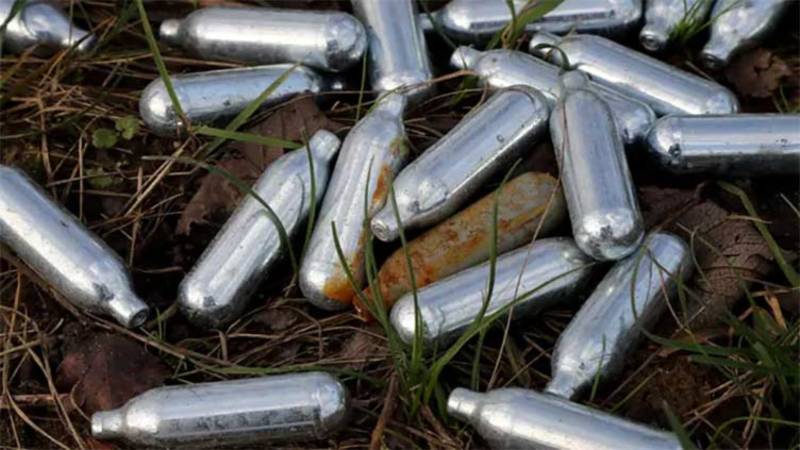
Often associated with its role in medical anesthesia and engine boosters, N₂O is, in reality, a potent greenhouse gas and a leading ozone-depleting substance. According to the United Nations Environment Programme’s Global Nitrous Oxide Assessment, emissions of N₂O have increased by a staggering 40% since 1980, with annual emissions surpassing 28 million tonnes—primarily driven by the agriculture sector. Without corrective action, N₂O emissions are projected to rise another 30% by 2050, contributing an additional 0.4°C to global warming by the end of the century. This alone would make the goal of limiting global temperature rise to 1.5°C under the Paris Agreement virtually unattainable.
In terms of global warming potential (GWP), N₂O is about 270 times more potent than CO₂ over a 100-year period. It also lingers in the atmosphere for over 120 years, and is currently the most significant ozone-depleting substance still emitted today, surpassing the now-regulated chlorofluorocarbons (CFCs). These dual threats—climate change and ozone layer erosion—make N₂O unique and particularly dangerous.
What makes this issue even more concerning is that N₂O is not isolated; it is part of the broader reactive nitrogen cascade. This cascade includes compounds like ammonia (NH₃) and nitrogen oxides (NOₓ), which contribute to air and water pollution, acid rain, biodiversity loss, and public health crises. Collectively, these nitrogen compounds are released through the overuse of synthetic fertilisers, inefficient livestock waste management, fossil fuel combustion, and industrial chemical production.
If we continue along a business-as-usual (BAU) trajectory, we face a 30% rise in emissions by 2050 and a cascade of worsening environmental and health impacts
While nitrous oxide itself is not acutely toxic in ambient air, its indirect impacts are devastating. Air pollution, fueled by nitrogen-based emissions, leads to the formation of PM2.5 particles—fine particulate matter small enough to penetrate deep into the lungs and bloodstream. The World Health Organisation (WHO) attributes 7 million premature deaths each year to exposure to polluted air, and a large portion of this burden is linked to reactive nitrogen compounds. In South Asia, nitrogen-driven air pollution is a leading cause of respiratory illnesses, cardiovascular disease, and developmental disorders in children.
The societal costs of nitrogen pollution, including N₂O, are vast and rising. Global estimates suggest a range between $200 billion to $2 trillion annually, accounting for healthcare expenditures, lost labor productivity, environmental degradation, and reduced crop yields. Nitrate contamination of drinking water, particularly in agricultural areas, has been linked to severe health risks, including blue baby syndrome and potential carcinogenic effects.
On the environmental front, the overabundance of nitrogen in ecosystems has cascading consequences. In water bodies, eutrophication caused by nitrogen runoff leads to algal blooms, oxygen depletion, and the creation of “dead zones” where aquatic life cannot survive. The Gulf of Mexico and the Bay of Bengal are infamous examples. On land, soil acidification and nutrient imbalances undermine agricultural productivity and soil health, creating long-term vulnerabilities in food systems.
The stratospheric ozone layer, critical for shielding life on Earth from harmful ultraviolet (UV) radiation, is also under assault by rising N₂O emissions. Increased UV exposure exacerbates skin cancer, cataracts, and weakens plant and marine life resilience, especially in tropical and polar regions where ozone depletion has been most pronounced.
The UNEP assessment outlines a stark contrast between future scenarios. If we continue along a business-as-usual (BAU) trajectory, we face a 30% rise in emissions by 2050 and a cascade of worsening environmental and health impacts. In a moderate mitigation scenario, where targeted policies and technologies are adopted, we could reduce emissions by 20–30% and simultaneously improve food security. However, only transformational change—driven by systemic shifts in agriculture, industry, and consumption patterns—will achieve the needed 40–50% reductions aligned with the Paris Agreement. Following a Global Nitrogen Roadmap could also unlock up to $100 billion in annual resource savings by reducing waste, improving yields, and lowering health costs.
The drivers of increasing N₂O emissions are well understood. Chief among them is excessive use of nitrogen-based fertilisers in agriculture, often applied far beyond crop requirements. This is compounded by poor manure management, low nitrogen use efficiency (NUE), and misaligned policy incentives such as fertiliser subsidies that promote quantity over sustainability. In the industrial sector, outdated processes in nitric acid and adipic acid production release large volumes of N₂O unless abatement technologies like catalytic reduction systems are implemented.
Solutions are available—and affordable. Precision agriculture, including GPS-guided nutrient application, slow-release fertilisers, organic amendments, and crop rotation with legumes, can drastically improve efficiency. Reduced tillage and soil health restoration techniques not only reduce emissions but also increase carbon sequestration. At the policy level, governments must revisit fertiliser subsidy structures, redirecting them toward practices that reward efficiency and environmental stewardship. Industrial reforms must also be prioritised by enforcing emissions limits and providing incentives for cleaner technologies.
Beyond production, the global food system must also be reimagined. Dietary changes, especially reducing excessive meat consumption in wealthier nations, and cutting food waste across the supply chain are powerful levers for reducing nitrogen and N₂O footprints. All of this requires international coordination, robust national action plans, and science-backed policies.
The good news is that mitigating N₂O is not just a climate imperative—it is a co-benefit-rich strategy. It leads to cleaner air, healthier communities, more resilient ecosystems, greater food security, and economic efficiency. Investing in nitrogen management is not a cost, but a high-return opportunity.
The evidence is clear and compelling: inaction on nitrous oxide is no longer an option. It is time for policymakers, industries, farmers, researchers, and civil society to elevate N₂O on the climate agenda and embed it into environmental planning at all levels. The next decade is critical. What we choose to do now will determine whether N₂O becomes a controllable risk or a runaway climate and public health threat.
Nitrogen management is climate action. It is a health action. It is an economic action. The Global Nitrous Oxide Assessment gives us evidence. Now it’s time to act.