

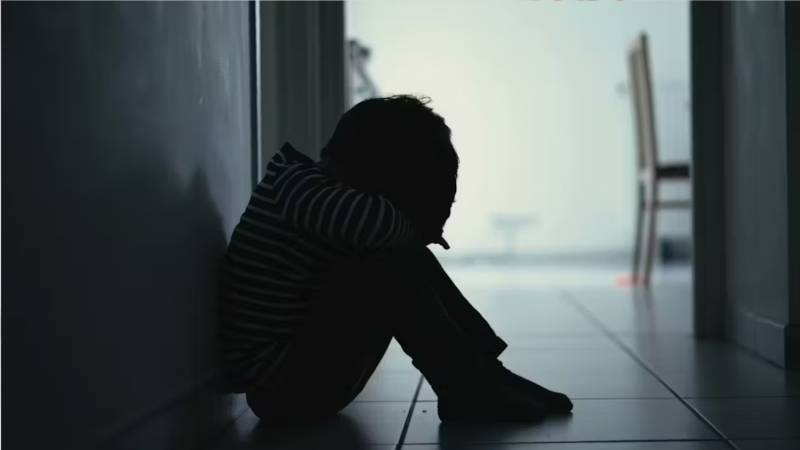
Imagine taking a fish and placing it in a tank filled with toxins and chemicals, foul, polluted water. Then, we tell that fish to shine, to thrive, to live its best life. Can that fish truly live happily? Can it grow, feel safe, and enjoy life to the fullest? No. The answer is no. That fish might survive, it might live and breathe, but it will not thrive. Its quality of life will be deeply compromised. Every moment, it will fear that the toxic water surrounding it will eventually claim its life. It may be alive, but it is not really living.
Now, apply this same situation to a child. Imagine an eight-year-old sitting silently on a sofa, too scared to ask for an ice cream because they know that the moment they do, their parents will scold them. “You’ll spill it and ruin the carpet,” or “You’ll get used to it and start asking every day, so no, you can’t have it.”
As children, we do not understand that abuse comes in many forms, emotional, mental, and physical. We cannot comprehend why our parents scream at each other, fight over the smallest things, slam doors, and break dishes. We don’t know why we keep hiding under beds or in bathrooms, behind closed doors, just to feel safe. How do you think that makes a child feel?
It damages them. It traumatises their nervous system. It makes them feel unloved, unheard, and afraid, overly sensitive and anxious. They’re called cry-babies at home. At school, they become quiet, withdrawn, blank-faced students—timid, shy, unsure how to speak up. They don’t know how to make friends. They become people-pleasers, constantly seeking approval.
While other children develop their personalities, join activities, score high marks, and dream big, these children are just trying to survive. And even if, by some miracle, they manage to do well in school, they have no one to share their happiness with because they know emotional abuse is waiting for them back home.
These children grow up into frustrated, disconnected, unhappy adults who struggle to form meaningful relationships—with others or with themselves. Many spend their lives feeling hollow, hopeless, or even suicidal. Parents often fail to realise how deeply they are sabotaging their own children. We unintentionally destroy their beautiful lives with our words, our actions, and our neglect.
Parents must understand that their children are two generations ahead of them. You cannot raise your children the way you were raised. Your words and actions stay with them forever
Some young people, overwhelmed by this despair, have searched online for how to end their lives safely. That is how hopeless emotional abuse can make someone feel.
Every child copes differently. Some turn to drugs because of neglect. Some develop unhealthy eating habits. Others look for love and comfort in the wrong places because they never found it at home. Many girls start depending on boys to fill emotional voids that those boys cannot possibly fill. And no one, truly, is obligated to heal another person’s unaddressed pain. This kind of dependency often leads to more heartbreak, more damage and sometimes, there’s no coming back from it.
These situations are as heartbreaking as losing a child in a car accident because that child may still be breathing, but they are dead inside. They are surviving, not living.
According to Growkudos, 81% of children in Pakistan experience at least one form of abuse: neglect (40%), physical abuse (57%), emotional abuse (53%), and sexual abuse (41%). A study published by the Pakistan Medical Council found that 28% of adolescents developed symptoms of anxiety due to parent-to-child maltreatment. These statistics are terrifying. These children are the future of Pakistan—our wealth, our strength, our hope. What will become of our nation if our children grow up this broken?
This message is not written to induce guilt. It is written to inspire change. Parents must understand that their children are two generations ahead of them. You cannot raise your children the way you were raised. Your words and actions stay with them forever.
After all, no child is born with their consent; you chose to bring them into this world. That means you are responsible. You are obligated to treat them with love, care, and understanding. This is not optional; it is your duty.
Mothers, especially, need to recognise this. Your child should feel safe with you, not afraid. Teachers, too, can play a crucial role in a child’s healing. One kind word, one small act of encouragement, can change the entire course of a child’s life. Being a friend to your students or children, being someone they can trust and talk to, can protect them from unimaginable pain. Friends and extended family also have a role to play sometimes; simply being present is enough to make a difference.
“Growing up in a toxic environment didn’t weaken me; in fact, it revealed how strong I truly am. If I can survive it and still strive to become the best version of myself, then you can too. Because guess what? There’s always light at the end of the tunnel.”
I once heard someone say, “Every child deserves a parent, but not every parent deserves a child.” And I fully agree. Taking care of our children is our highest responsibility. They are the future of this country. And the future of Pakistan cannot be this broken. It cannot be this ugly.